A missing tooth can affect more than a photo or a meal out. It can change how you chew, how clearly you speak, and how comfortable you feel smiling around friends, coworkers, or family. West Hollywood dental implants offer a long-term replacement option designed to look, feel, and function much like a natural tooth, but the right treatment plan depends on your health, bone support, goals, and timeline.
For many patients, an implant is not simply a cosmetic choice. It is a way to restore comfort, protect the remaining teeth, and return to everyday routines without the inconvenience of a removable appliance. The process is detailed, but it should never feel confusing. A thoughtful consultation can help you understand each step before you make a decision.
What Is a Dental Implant?
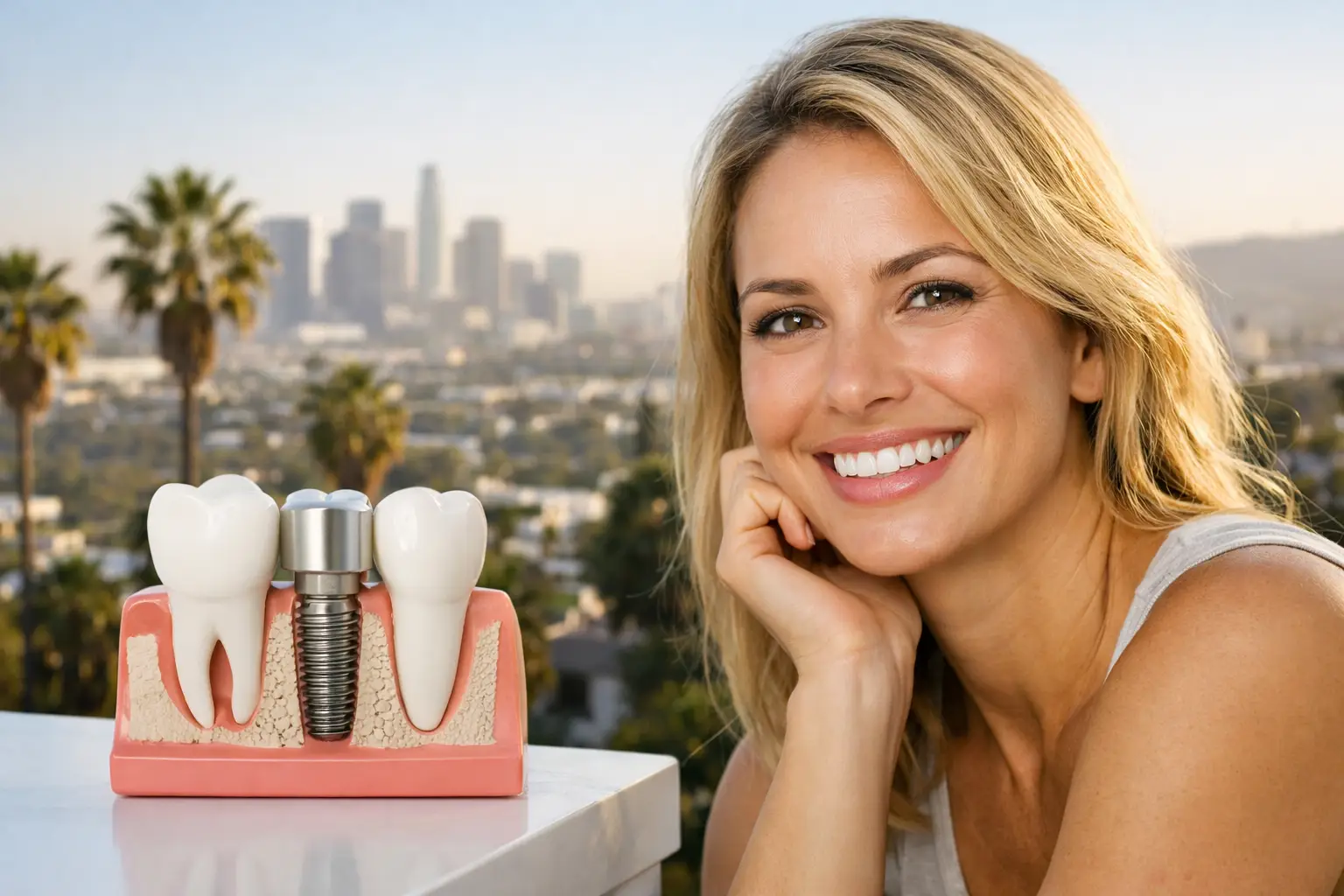
A dental implant is a small post, usually made from titanium, that is placed in the jawbone to serve as an artificial tooth root. After the area heals, the implant supports a custom restoration. That restoration may be a single crown, a bridge for several missing teeth, or a full-arch solution for a more extensive tooth loss situation.
The key difference between an implant and a traditional bridge is support. A bridge is typically attached to neighboring teeth, while an implant stands independently in the jaw. This can preserve adjacent natural teeth because they do not need to be reshaped to hold the replacement tooth.
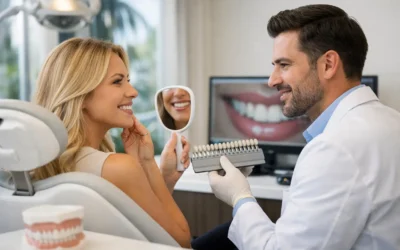
Once restored, an implant is designed to blend in with your smile. Your dentist considers the shape, shade, bite, and position of surrounding teeth so the final result feels natural rather than noticeably different.
Why Replacing a Missing Tooth Matters
It is understandable to put off treatment when a missing tooth is not visible. Still, leaving a gap can create changes over time. Nearby teeth may begin to shift, which can affect your bite and make cleaning more difficult. The jawbone in the missing-tooth area can also gradually lose volume because it is no longer receiving the stimulation that comes from chewing.
Replacing the tooth may help support a stable bite and make eating more comfortable. For a visible front tooth, it can also restore confidence in social and professional settings. The right solution is personal, though. Some patients are best served by an implant, while others may prefer a bridge or removable option based on their dental condition, budget, and treatment preferences.
Who May Be a Candidate for West Hollywood Dental Implants?
Many adults with one or more missing teeth can be candidates for implant treatment. Good candidates generally have healthy gums, sufficient jawbone to support an implant, and a commitment to daily oral hygiene and regular dental visits. Age alone does not rule someone out. Overall health and healing ability are more relevant factors.
A consultation includes a detailed exam and imaging to evaluate the bone, gums, bite, and neighboring teeth. This planning stage matters because implant treatment is not one-size-fits-all. If gum disease is active, it needs to be treated first. If bone volume is limited, a bone graft may be recommended before or during implant placement.
Certain health conditions, medications, and habits can influence treatment. Smoking and vaping, for example, may affect healing and increase the chance of complications. Patients with uncontrolled diabetes or conditions that impact bone healing may need additional coordination with their physician. These factors do not automatically mean implants are off the table, but they should be discussed openly so your care team can plan safely.
The Dental Implant Process, Step by Step
The timeline for dental implants varies. Some cases can move more quickly, while others require healing periods that make the process several months long. The goal is not to rush through treatment. It is to create a stable foundation for a restoration that can serve you well for years.
Planning and Personalized Treatment
Your dentist begins by reviewing your dental and medical history, examining the area, and taking the necessary images. This helps identify the best implant position and determine whether supporting procedures, such as an extraction, gum treatment, or bone graft, are needed.
You will also discuss the final restoration. A single missing tooth may receive one implant and crown. Several missing teeth may be restored with an implant-supported bridge. Patients missing most or all teeth may be candidates for a full-arch approach. Knowing the end goal before surgery helps guide each clinical decision.
Implant Placement
During the surgical appointment, the implant post is placed into the jawbone. Local anesthetic is commonly used to keep the area numb. For patients who feel especially anxious about dental treatment, sedation options may be available depending on their health history and needs.
It is normal to have some tenderness, swelling, or minor bruising after surgery. Most patients manage recovery with instructions from their dental team, a soft-food diet for a short period, and recommended medications when appropriate. Your office should explain what is expected and which symptoms warrant a call.
Healing and Final Restoration
The implant needs time to integrate with the jawbone in a process called osseointegration. Healing time varies by patient and by the complexity of the case. In some situations, a temporary tooth can be used while the implant heals, especially when appearance is a concern.
When the implant is ready, a connector called an abutment and the final crown, bridge, or denture are placed. The restoration is adjusted to feel comfortable when you bite and speak. A careful fit is essential because an implant should work in harmony with your natural teeth, not place excess pressure on them.
What Do Dental Implants Feel Like?
After healing, a properly restored implant should feel secure and comfortable. It does not have the sensation of a natural tooth because it does not have the same nerve structure, but it can provide strong chewing support and a natural-looking appearance.
There is an adjustment period with any new dental restoration. You may notice your bite more closely at first, particularly if you have been missing the tooth for a long time. If something feels high, loose, sharp, or uncomfortable, let your dental office know. Small adjustments can make a meaningful difference.
The Benefits and Trade-Offs to Consider
Dental implants offer meaningful advantages, including stability, a natural appearance, and support for normal chewing. They can also help avoid altering healthy teeth next to a gap. With consistent home care and professional maintenance, implants are intended to be a durable solution.
Still, implants require an investment of time and money, and they involve a surgical procedure. Not every patient needs an implant to achieve a healthy, functional smile. A conventional bridge may be a practical choice when adjacent teeth already need crowns. A removable partial denture may be appropriate for someone seeking a lower initial cost or avoiding surgery.
The best choice is the one that fits your clinical needs and your life. An honest conversation about timelines, comfort, long-term maintenance, and pricing support is part of good care, not an afterthought.
Caring for an Implant After Treatment
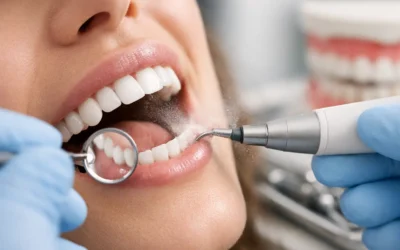
An implant cannot develop a cavity, but the gum tissue and bone around it still need protection. Daily brushing, flossing or using the recommended cleaning tools, and routine professional cleanings are essential. Plaque buildup around implants can lead to inflammation and, in more serious cases, bone loss around the implant.
Patients who grind or clench their teeth may benefit from a custom nightguard to protect both the implant restoration and natural teeth. Regular exams also allow your dentist to check the bite, restoration, gums, and surrounding bone before small concerns become larger ones.
At West Hollywood Smile Dental, implant care can be coordinated alongside preventive visits, restorative needs, and cosmetic goals in one comfortable office. That continuity can be especially valuable when your smile needs more than one kind of care.
A missing tooth does not have to define how you eat, speak, or smile. Start with a personal evaluation, ask every question you have, and choose a plan that gives you confidence not only on the day your restoration is placed, but in the years that follow.