Dental Implants: What to Expect
Losing a tooth changes more than your smile. It can affect how you chew, how clearly you speak, and how confident you feel when you laugh or meet someone new. Dental implants are often the closest thing to getting that tooth back because they replace both the visible part of the tooth and the root underneath.
For many patients, the biggest surprise is not how advanced the treatment is, but how manageable it can be with the right planning and the right team. If you have been told you need to replace a missing tooth, or you are tired of dealing with a loose bridge or denture, it helps to know what implants actually involve and whether they make sense for your situation.
What are dental implants?
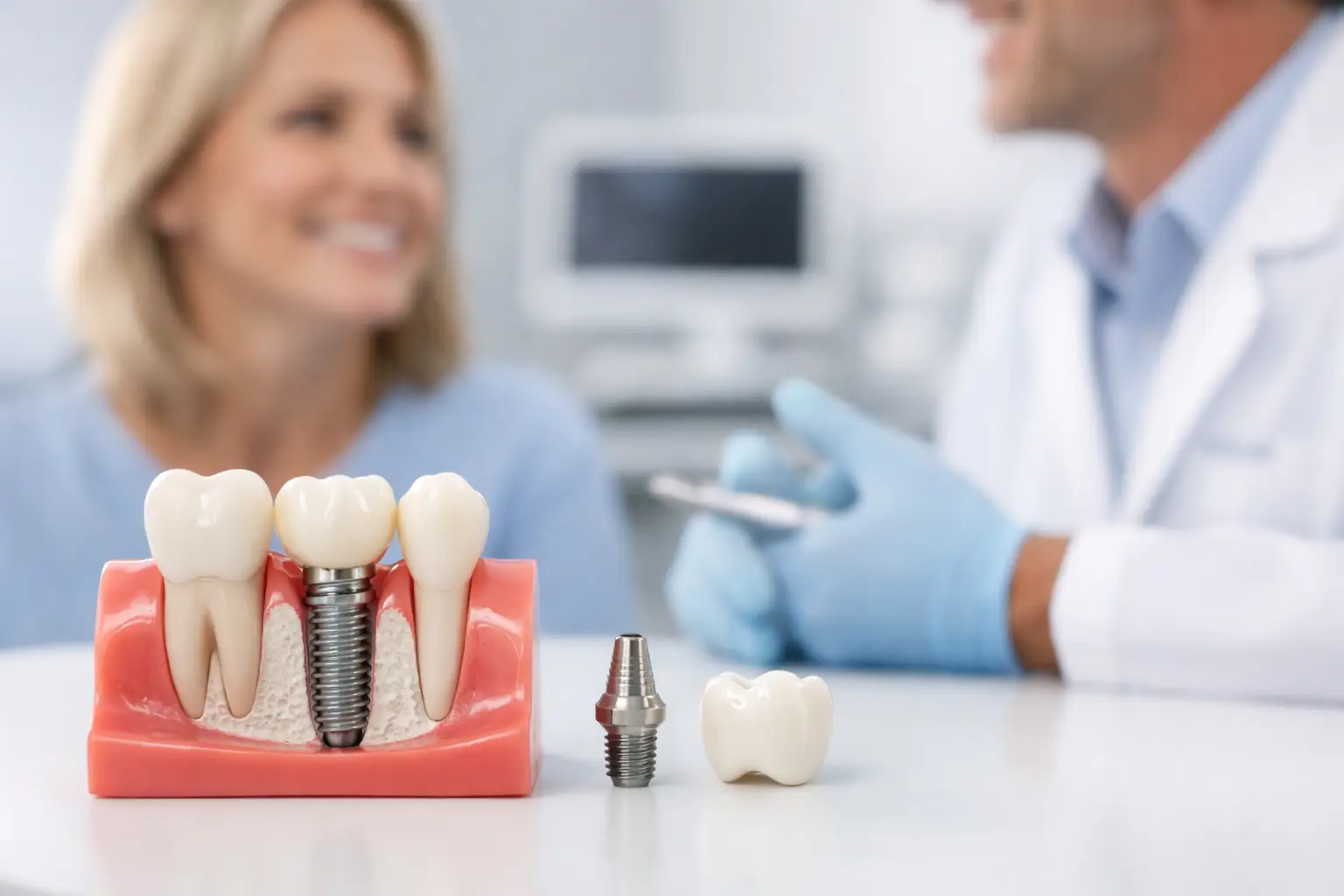
A dental implant is a small post, usually made of titanium, that is placed in the jawbone where a tooth root used to be. After it heals and bonds with the bone, a custom restoration is attached on top. That restoration may be a single crown, a bridge, or even a denture depending on how many teeth are being replaced.
What makes implants different from other options is stability. A traditional bridge relies on neighboring teeth for support. A removable denture rests on the gums. An implant stands on its own, which can make it feel more natural during everyday activities like chewing, talking, and smiling.
That root replacement matters for another reason. When a tooth is lost, the jawbone in that area can begin to shrink over time. Because an implant stimulates the bone more like a natural tooth root, it can help preserve the shape of the jaw better than some other restorations.
Why patients choose dental implants
There is no single reason people choose implants. For some, it is mostly about function. They want to eat comfortably again and stop avoiding certain foods. For others, it is cosmetic. A gap in the smile, especially in a visible area, can make even outgoing people feel self-conscious.
Many patients also appreciate the long-term convenience. An implant does not need to come out at night. It does not shift the way some dentures can. It also avoids placing extra stress on nearby teeth, which can be a major benefit if those teeth are healthy and you want to keep them that way.
That said, implants are not automatically the best choice for every person or every missing tooth. The right treatment depends on your oral health, bone support, medical history, timeline, and budget.
Who is a good candidate for dental implants?
A good candidate is usually someone with healthy gums, adequate jawbone support, and a commitment to keeping up with oral hygiene and regular dental visits. If the bone is too thin or too short, bone grafting may be recommended before or during implant treatment.
Gum health matters just as much as bone. If there is active gum disease, that needs to be treated first. Implants can be very successful, but they still need a healthy foundation.
Certain health factors may also affect timing or healing. Smoking, uncontrolled diabetes, heavy teeth grinding, and some medications can complicate treatment. These do not always rule out implants, but they do mean your dentist should plan carefully and talk with you honestly about risks and expectations.
This is one reason many patients prefer an office that can handle both the surgical and restorative sides of care in one place. When the team evaluating your gums, bite, bone, and final smile design is working together, treatment tends to feel more coordinated and less stressful.
The dental implants process step by step
The process starts with a full evaluation. That usually includes an exam, digital imaging, and a discussion about your goals. If you are replacing a front tooth, aesthetics may lead the conversation. If you are replacing molars, strength and bite function may matter more.
Planning and preparation
Your dentist will first confirm whether the implant site is ready. If a damaged tooth is still present, it may need to be removed. If the area has lost bone, grafting may be recommended to build stronger support. Some patients can have extraction and implant placement on the same day, while others benefit from a healing period first.
There is no one-size-fits-all timeline here. Immediate placement can be convenient, but only when the bone and gums support it. In other cases, waiting creates a more predictable result.
Implant placement
The implant post is placed into the jaw during a minor surgical procedure. Patients are often relieved to learn that this is typically more comfortable than they expected. With local anesthesia and, when appropriate, sedation options, the goal is a calm and gentle experience.
After placement, the bone needs time to heal around the implant. This process, called osseointegration, is what creates the stability implants are known for. Healing may take a few months depending on the area treated and whether grafting was involved.
Final restoration
Once the implant has healed properly, the final crown, bridge, or denture is attached. This part is where function and appearance come together. The restoration is shaped and shaded to blend naturally with your smile and fit your bite comfortably.
A well-made implant restoration should not look bulky or feel foreign. It should look like it belongs there.
Does getting an implant hurt?
This is one of the first questions people ask, and for good reason. Most patients do not want a tooth replacement option that comes with a difficult recovery.
During the procedure itself, you should be numb. Many patients report that implant placement felt easier than a tooth extraction. Afterward, some soreness, swelling, or tenderness is normal for a few days, but it is usually manageable with medication, rest, and following post-op instructions closely.
Recovery depends on the complexity of treatment. A straightforward single implant is different from multiple implants with grafting. Comfort planning matters, and so does having a team that explains what you will feel, what is normal, and when to call if something does not seem right.
How long do dental implants last?
Dental implants are designed to be a long-term solution. With good placement, healthy gums, and consistent home care, the implant itself can last many years and often much longer. The restoration on top may eventually need repair or replacement from normal wear, especially if you grind your teeth or place heavy force on the area.
Longevity is tied to maintenance. Implants do not get cavities, but the gums and bone around them can still develop problems if plaque builds up. Daily brushing, flossing, and professional cleanings remain essential.
Dental implants versus bridges and dentures
If you are deciding between treatment options, the trade-offs are worth understanding.
A bridge can be faster in some cases and may cost less upfront, but it usually requires reshaping neighboring teeth. A removable denture can replace multiple teeth and may be the most budget-friendly path initially, though some patients dislike the movement or pressure on the gums.
Implants generally offer the most natural feel and the best support for the jawbone, but they involve surgery, healing time, and a higher initial investment. For many patients, the choice comes down to priorities. If long-term comfort, stability, and preserving bone are high on your list, implants often stand out.
Cost and value
The cost of implant treatment varies based on how many teeth are being replaced, whether grafting is needed, and what type of final restoration is used. That is why any quote without an exam should be treated cautiously.
What matters just as much as price is value. An implant may cost more upfront than a bridge or denture, but it can also offer better stability, less impact on adjacent teeth, and a more natural day-to-day experience. For many patients, that combination is worth careful consideration.
A transparent office will explain your options clearly, discuss what is necessary versus optional, and help you understand financing or payment arrangements if needed. No one should feel rushed into a treatment this important.
Choosing the right provider for dental implants
Implant treatment works best when planning is thorough and the final result is considered from the beginning, not as an afterthought. You want a team that looks at your health, comfort, appearance, and bite together.
That can make a real difference in a full-service practice where preventive care, imaging, surgery, and restoration are coordinated under one roof. For busy adults and families in West Hollywood and the greater Los Angeles area, that kind of continuity can save time and reduce the back-and-forth that often makes dental care feel overwhelming.
If you are thinking about dental implants, the next step is not guessing from photos online or comparing prices without context. It is getting a personalized evaluation, asking honest questions, and finding a treatment plan that fits your mouth, your goals, and your comfort level. The right solution should help you feel confident every time you eat, speak, and smile.
Dental Implants vs Dentures: Which Fits You?