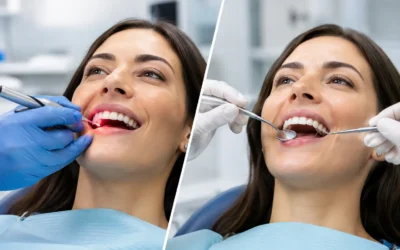

A smile makeover should never begin with a one-size-fits-all answer. Your teeth, facial features, bite, oral health, and goals are uniquely yours. This guide to smile design consultation visits explains what happens before treatment begins, how to prepare, and how a thoughtful plan can help you pursue a smile that looks natural, feels comfortable, and supports lasting dental health.
What a Smile Design Consultation Is Really For
A smile design consultation is a focused conversation and clinical evaluation that turns a broad goal – such as brighter teeth, straighter teeth, or a more balanced smile – into a responsible treatment plan. It is not simply a discussion about choosing the whitest shade or requesting veneers.
Your dentist considers the visible details of your smile, but also the foundation beneath it. Healthy gums, stable teeth, a comfortable bite, and adequate tooth structure all affect what is possible and which option makes sense. Addressing those factors early can prevent cosmetic work from being compromised by untreated decay, gum inflammation, grinding, or misalignment.
The best consultations leave room for your priorities. Some patients want a subtle refresh before a wedding, professional milestone, or reunion. Others have lived with worn, chipped, uneven, or discolored teeth for years and are ready for a more complete change. There is no single definition of a beautiful smile. The goal is to create one that feels appropriate for your face, lifestyle, and preferences.
What Your Dentist Will Evaluate
The consultation often begins with your dental history and your reasons for seeking change. Be candid about sensitivity, jaw discomfort, past dental experiences, nighttime grinding, and any concerns about treatment. Those details can shape both the recommendation and the comfort measures offered during care.
Your dentist will examine your teeth and gums, then may take digital X-rays, photographs, or scans when needed. These records help assess concerns that cannot be seen in a mirror, such as bone support, hidden decay, old restorations, root health, and bite relationships.
The visible elements of your smile
Aesthetic planning looks at more than individual teeth. Your dentist may evaluate tooth color, shape, length, spacing, alignment, and the amount of gum tissue that shows when you smile. They will also consider the smile line, lip movement, facial proportions, and how your teeth appear while you speak.
Small changes can make a meaningful difference. Reshaping one uneven edge, whitening natural enamel, or replacing a darkened filling may be enough for a patient who already likes the overall look of their smile. For another patient, several coordinated treatments may produce a better result than trying to solve every concern with one procedure.
Function and long-term stability
A smile needs to work as well as it looks. If the bite puts too much pressure on certain teeth, veneers or bonding may chip sooner than expected. If missing teeth are affecting chewing or causing neighboring teeth to shift, restorative treatment may need to come before cosmetic finishing.
Your dentist may recommend treating gum disease, cavities, cracked teeth, or infection first. That is not a detour from smile design. It is how a cosmetic result is built on a healthy, stable foundation.
How to Prepare for Your Smile Design Consultation
You do not need to arrive knowing which procedure you want. In fact, starting with your desired outcome rather than a treatment name often leads to a better conversation. You might say that you want your teeth to look less worn, that you avoid smiling in photos, or that you would like a brighter look without an artificial appearance.
It can help to bring a few inspiration photos, especially if they show the level of brightness, tooth shape, or overall style you prefer. These images are a starting point, not a blueprint. A smile that complements one person’s face may not be the right fit for yours.
Before your visit, think about these practical questions: How much time can you realistically devote to treatment? Are you hoping for a subtle improvement or a more dramatic change? Do you have an upcoming event? Are you concerned about preserving as much natural tooth structure as possible? These preferences help your dentist tailor recommendations to real life, not just an idealized final image.
If you have had dental anxiety in the past, mention it early. A caring office can explain each step, offer a gentler pace, and discuss comfort options when appropriate. Feeling heard is part of making an informed decision.
Treatment Options Your Dentist May Discuss
The right plan depends on the condition of your teeth, your bite, your budget, and your goals. In some cases, a conservative approach offers the best value. In others, a comprehensive plan is more predictable and reduces the need for repeated short-term fixes.
Professional teeth whitening may be appropriate when healthy teeth are mainly affected by surface or internal discoloration. It can brighten natural enamel without altering tooth shape. However, whitening will not change the color of existing crowns, veneers, or fillings, so your dentist may discuss timing if you are considering restorative work.
Bonding can address minor chips, small gaps, and uneven edges. It is often a conservative option, though the material may stain or wear over time and can require maintenance. Veneers may offer a more extensive change in shape, color, and symmetry. They are a significant commitment because tooth preparation may be needed, so a clear discussion of benefits, limitations, and long-term care matters.
Clear aligners or orthodontic treatment may be recommended when tooth position is the main concern. Moving teeth first can create better spacing and bite balance, sometimes reducing the amount of cosmetic work needed afterward. When teeth are missing, severely damaged, or weakened, treatment might involve crowns, implants, or other restorative solutions before cosmetic refinements are completed.
Questions Worth Asking During a Smile Design Consultation
A good consultation should feel like a two-way discussion, not a sales presentation. Ask your dentist why a particular treatment is being recommended and whether there are more conservative alternatives. Ask what the result may look like immediately and how it may change with normal wear over time.
You should also understand the treatment sequence. For example, gum care may come before whitening, aligners may come before veneers, and whitening may be completed before selecting the shade for a new crown. The order can affect both appearance and cost.
Discuss expected maintenance as well. Cosmetic dentistry is not necessarily permanent dentistry. Whitening may need touch-ups, bonding can need repair, and a night guard may be important if you clench or grind. Knowing these responsibilities beforehand helps you protect your investment and avoid surprises.
Finally, ask for clarity around fees, insurance considerations for medically necessary care, payment options, and the estimated timeline. A plan that fits your schedule and budget is more likely to be completed comfortably than one that creates unnecessary pressure.
Choosing a Plan That Still Feels Like You
The most flattering smiles rarely look copied from someone else. They look healthy, balanced, and believable. For many patients, that means keeping a little natural character rather than making every tooth perfectly identical or extremely white.
Your dentist should respect your preferences while being honest about clinical limitations. If a requested treatment could weaken a tooth, aggravate a bite issue, or produce an unnatural result, a trustworthy recommendation may look different from what you initially expected. That honesty protects both your health and your final outcome.
At West Hollywood Smile Dental, the consultation can bring preventive, cosmetic, restorative, and specialist-supported perspectives together in one office when your needs are more complex. This continuity can make planning easier, especially when a smile improvement involves more than one type of care.
A well-planned smile design consultation gives you something more valuable than a quick cosmetic answer: a clear path forward. Bring your questions, share what you want to change, and give yourself permission to choose treatment only when the plan feels healthy, practical, and genuinely right for you.