Best Options for Missing Teeth Explained
A missing tooth changes more than your smile. You may notice food getting trapped, chewing feeling uneven, or a little hesitation before you laugh in photos. When patients ask about the best options for missing teeth, they usually want a clear answer – but the right choice depends on where the tooth is, how many teeth are missing, your bone and gum health, and what matters most to you day to day.
The good news is that modern dentistry offers several reliable ways to replace missing teeth. The better news is that you do not have to guess your way through the decision. A thoughtful treatment plan should balance appearance, comfort, long-term health, and budget.
What are the best options for missing teeth?
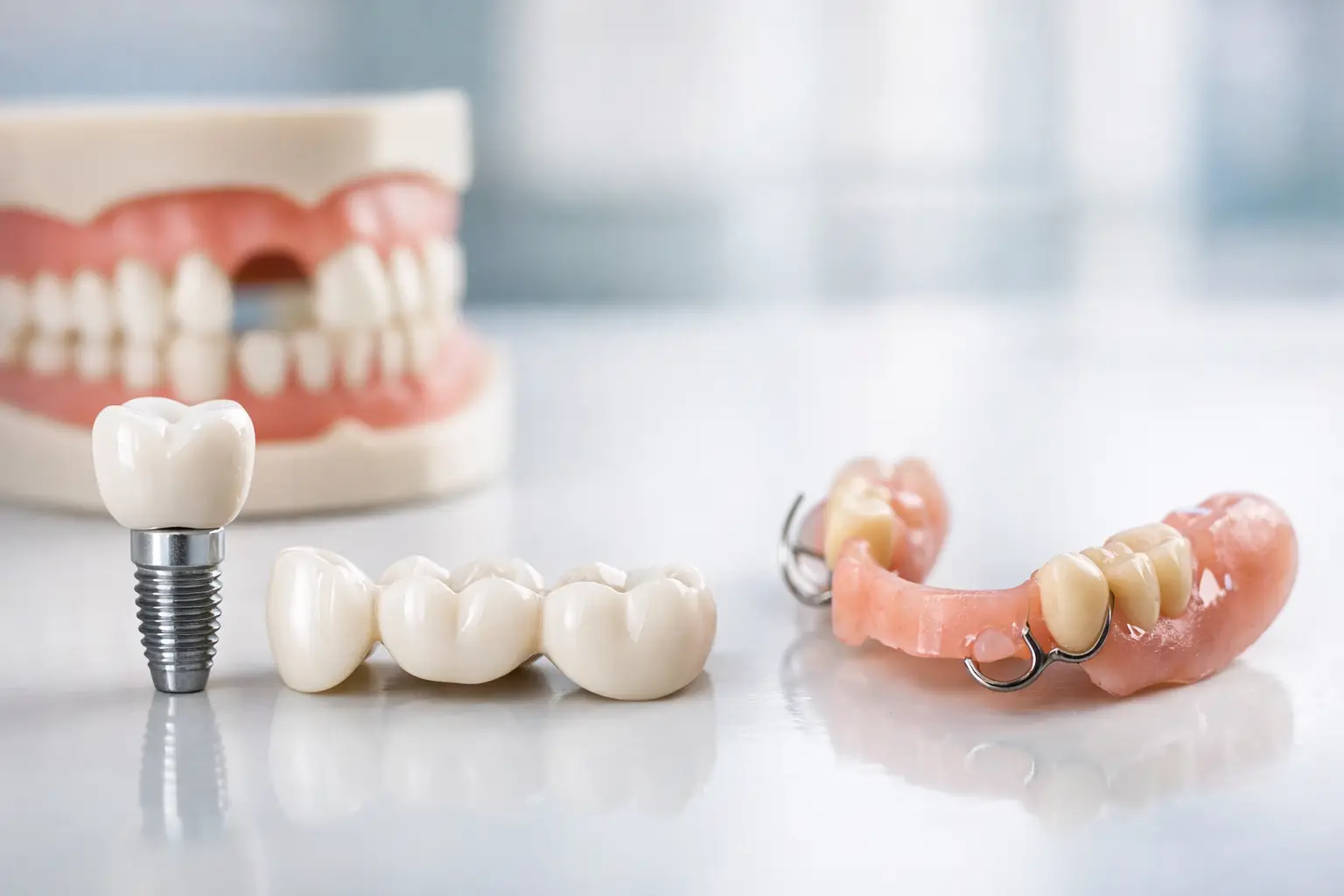
For most adults, the main choices are dental implants, dental bridges, and dentures. Each can restore your smile, but they work very differently.
Dental implants are often considered the closest replacement to a natural tooth. A small titanium post is placed in the jawbone, where it acts like a tooth root. After healing, a custom crown is attached on top. This option is popular because it looks natural, feels secure, and helps preserve the bone in your jaw.
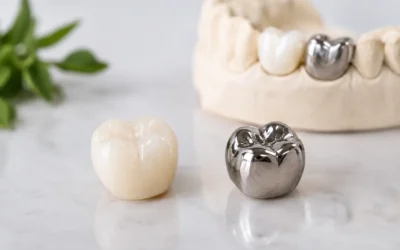
A dental bridge fills the gap by anchoring a replacement tooth to the neighboring teeth. In some cases, this can be an excellent solution, especially if the teeth next to the gap already need crowns. Bridges are fixed in place, so they do not come out like a denture.
Dentures replace several missing teeth or a full arch of teeth. Partial dentures are used when some natural teeth remain, while full dentures replace all the teeth in the upper or lower arch. Dentures have improved significantly over the years, but they still come with different expectations for stability and maintenance than implants or bridges.
How to choose among the best options for missing teeth
A single missing tooth and a full arch of missing teeth are very different situations. That is why the best treatment is not always the newest or most expensive one. It is the one that fits your health, goals, and lifestyle.
If you are missing one tooth
A single dental implant is often the top choice when the surrounding teeth are healthy. It replaces the tooth without requiring the neighboring teeth to be reduced for crowns. That can be a major advantage if you want to keep as much natural tooth structure as possible.
A bridge may make more sense if the adjacent teeth are already damaged, heavily filled, or in need of crowns anyway. In that case, restoring the area with a bridge can solve more than one problem at once.
A removable partial denture is usually the most budget-friendly option for one missing tooth, but it is typically less stable and less natural-feeling than a bridge or implant.
If you are missing several teeth
When multiple teeth are missing in a row, implants can still be an excellent choice. Sometimes two implants can support several replacement teeth, which may reduce the number of implants needed. This can improve stability while keeping treatment efficient.
A partial denture can also work well for several missing teeth, especially if you want a lower upfront cost or need a non-surgical option. The trade-off is that removable appliances can shift slightly and may require more adjustment over time.
If you are missing all teeth in the upper or lower arch
Traditional full dentures remain a common solution. They can restore appearance and basic function, and they may be the right fit for some patients. However, they can slip, especially on the lower arch, and many people find that they never feel quite like natural teeth.
Implant-supported dentures offer more security. Instead of relying only on the gums for support, the denture attaches to implants placed in the jaw. This often means better chewing ability, a more confident fit, and less movement when speaking.
For patients who want the most fixed, natural-feeling option, a full-arch implant restoration may be worth discussing. It involves a more advanced plan, but it can provide excellent stability and a very strong cosmetic result.
Dental implants: why many patients prefer them
Implants have become a leading choice for good reason. They look natural, they stay in place, and they help support the jawbone. When a tooth is missing for a long time, the bone in that area can begin to shrink because it no longer has a root stimulating it. An implant helps address that in a way a bridge or traditional denture does not.
Another benefit is convenience. You brush and floss around an implant much like you would a natural tooth, and you do not need to remove it at night. For busy professionals and image-conscious patients, that simplicity matters.
Still, implants are not automatically right for everyone. They require healthy gums, enough bone support, and a healing period. Some patients may need bone grafting before implant placement. Others may prefer to avoid surgery or may need to phase treatment based on budget. A good dental team will walk you through those details honestly.
Bridges: a practical fixed option
Bridges can be an excellent middle ground. They are fixed, natural-looking, and often faster to complete than implant treatment. If you want a replacement that stays in place but do not want surgery, a bridge may be appealing.
The trade-off is that a traditional bridge usually depends on the teeth next to the gap. Those teeth are reshaped to support crowns, even if they are otherwise healthy. Bridges also do not replace the tooth root, so they do not provide the same bone-preserving benefit as an implant.
That does not make bridges a lesser treatment. It simply means they solve the problem in a different way. For the right patient, they can be a very strong long-term solution.
Dentures: still useful, but expectations matter
Some people hear the word denture and assume it means outdated care. That is not accurate. Dentures still play an important role in restorative dentistry, especially when many teeth are missing or when a patient wants a more affordable path to rebuilding their smile.
What matters is having realistic expectations. Traditional removable dentures can restore appearance well, but they may not offer the same bite strength or stability as implants. Lower dentures can be especially challenging because they tend to have less natural suction than upper dentures.
If comfort and retention are concerns, implant-supported dentures can make a big difference. Even a small number of implants can help a denture feel more secure and reduce the slipping that frustrates many patients.
Factors that matter beyond the tooth itself
Choosing among the best options for missing teeth is not only about the gap in your smile. Your overall oral health matters just as much.
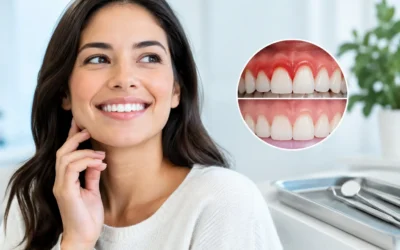
Gum disease needs to be treated before any long-term replacement is planned. Bite alignment matters too, because the way your teeth come together affects the lifespan of crowns, bridges, dentures, and implants. Bone levels, grinding habits, smoking, and certain medical conditions can also influence which treatment is safest and most predictable.
This is one reason many patients appreciate getting comprehensive care in one office. If you need imaging, periodontal treatment, extractions, implant planning, or cosmetic finishing, a coordinated approach can make the process much smoother and less stressful.
Cost, comfort, and long-term value
Cost is part of the conversation for nearly every patient, and it should be. The cheapest option at the start is not always the most economical over time. A removable appliance may cost less upfront, while an implant may offer more durability and fewer compromises in daily life.
Comfort matters just as much. If a treatment looks good on paper but feels difficult to eat with or makes you self-conscious when speaking, that is not a great fit. The right recommendation should reflect how you actually live, not just what is technically possible.
That is why personalized care matters. At West Hollywood Smile Dental, treatment planning is centered on comfort, function, and the smile goals that matter to each patient. Some people want the most permanent solution possible. Others want a practical option that improves their smile now and leaves room for future treatment. Both approaches can be valid.
If you are living with a missing tooth, waiting often allows the surrounding teeth to shift and the bone to change. A consultation can give you clarity on what is possible now, before the decision becomes more complicated. The best next step is the one that helps you eat comfortably, smile confidently, and feel cared for every step of the way.