Clear Aligners vs Braces: What Fits Best?
If you have been putting off orthodontic treatment because you are stuck on clear aligners vs braces, you are not alone. For many adults and teens, the real question is not whether they want a straighter smile. It is which option will fit their daily life, comfort level, and long-term goals without adding unnecessary stress.
The good news is that both treatments can create excellent results. The better news is that the right choice usually becomes clearer once you look beyond appearance and focus on how each option actually works in real life.
Clear aligners vs braces: the biggest differences
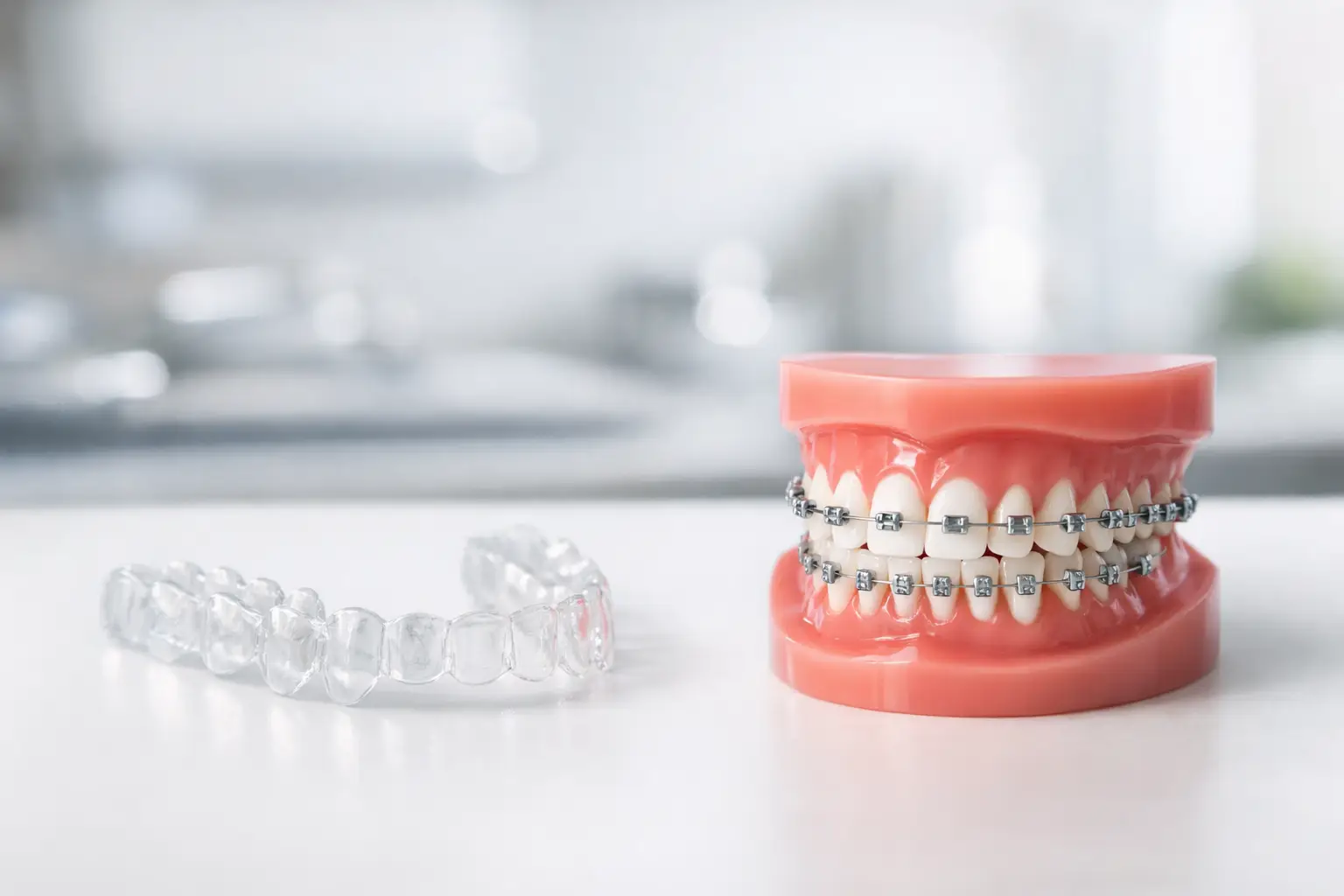
Clear aligners use a series of custom-made trays to gradually move teeth. You wear them most of the day, remove them for meals and brushing, and switch to a new set on a schedule directed by your dentist. Braces use brackets and wires that stay attached to the teeth and are adjusted over time to guide movement.
That basic difference affects almost everything else, from comfort to convenience to how much self-discipline treatment requires. Aligners are popular because they are discreet and removable. Braces are trusted because they are fixed in place and can handle a wider range of complex tooth movements.
For many patients, this is where the decision starts. For the right patient, aligners can feel like the more flexible, lifestyle-friendly choice. For others, braces provide more control and less room for treatment delays caused by missed wear time.
Appearance matters, and that is okay
A lot of people feel slightly guilty saying they care how treatment looks. They should not. If you are in client meetings, on camera, attending social events, or simply want a lower-profile option, appearance is a valid part of the decision.
Clear aligners are hard to notice at a conversational distance. That makes them especially appealing to working professionals and image-conscious adults who want orthodontic treatment without the more visible look of brackets and wires.
Braces are more noticeable, even when smaller or tooth-colored options are used. Some patients do not mind that at all. Others know they will feel self-conscious for months or years. That emotional side matters because the best treatment is one you will feel comfortable sticking with.
Comfort is not one-size-fits-all
People often assume aligners are always more comfortable. Sometimes they are, but comfort depends on the person and on what kind of movement your teeth need.
Clear aligners do not involve metal brackets rubbing against the cheeks and lips, which can be a relief for many patients. You may still feel pressure when changing to a new tray, but it is usually described as tightness rather than sharp irritation.
Braces can cause soreness after adjustments, and brackets may create friction inside the mouth, especially at the beginning. Orthodontic wax helps, and most patients adapt. Still, if you already know you are sensitive to anything that rubs or pokes, aligners may feel easier day to day.
That said, aligners come with their own kind of discipline-related discomfort. If you remove them too often or forget to wear them consistently, restarting can feel more uncomfortable because the trays stop fitting smoothly. Fixed braces avoid that problem because they keep working around the clock.
Which option works faster?
This is one of the most common questions, and the honest answer is: it depends.
Some mild to moderate cases move efficiently with clear aligners, especially when the patient wears them exactly as instructed. If treatment is straightforward and compliance is excellent, aligners can be a very efficient option.
Braces may be more effective for complicated bite issues, major crowding, teeth that need significant rotation, or situations where precise control matters. In those cases, braces may produce more predictable progress because they do not rely on the patient remembering to wear them.
The key point is that treatment speed is not just about the appliance. It is about the complexity of your case and how consistently the plan is followed. A highly motivated aligner patient may move along beautifully. A patient who leaves trays out for long stretches may see delays that would not happen with braces.
Clear aligners vs braces for daily life
This is where the choice becomes personal.
With clear aligners, you can remove the trays to eat, which means no food restrictions. Popcorn, crunchy snacks, nuts, and chewy foods are less of an issue because the aligners are not in your mouth during meals. You can also brush and floss more normally, which many patients appreciate.
But that flexibility comes with responsibility. You need to keep track of the trays, clean them, and wear them as directed, usually around 20 to 22 hours a day. If your schedule is packed, you snack often, or you do not love routines, aligners can become more demanding than they first appear.
Braces are simpler in one important way: they stay on. You do not have to remember to put them back in after lunch or worry about leaving them in a napkin at a restaurant. For teens, busy professionals, and anyone who knows consistency may be a challenge, that can be a real advantage.
The trade-off is that braces require more care around certain foods and can make brushing and flossing feel more involved. Good hygiene is absolutely manageable, but it takes a little more effort.
Cost and value
Patients often expect a clear winner on cost, but pricing can overlap more than people think. The total fee depends on treatment complexity, length of care, and the type of orthodontic system being used.
In some cases, clear aligners and braces are priced similarly. In others, one may cost more based on how much customization and monitoring are required. Insurance coverage can also affect the final out-of-pocket number.
The better way to think about value is this: the least expensive option is not the best one if it is not ideal for your teeth, bite, or lifestyle. A treatment that fits your needs and gets completed successfully is usually the smarter investment.
Who is usually a better fit for clear aligners?
Clear aligners are often a strong choice for adults and responsible teens with mild to moderate crowding, spacing, or bite concerns. They also make sense for patients who want a discreet look, need flexibility for work or social life, and feel confident they can wear the trays consistently.
They may be less ideal for patients who are forgetful, snack frequently throughout the day, or have more complex orthodontic issues that require a higher level of control. That does not mean aligners are off the table. It just means the decision should be based on a clinical exam, not marketing promises.
Who is usually a better fit for braces?
Braces are often the better choice for children, many teens, and adults with more significant alignment or bite problems. They can also be a smart option for anyone who would rather not think about removing and replacing trays all day.
If your main goal is the most dependable correction for a complicated case, braces may offer more predictability. They are also useful when treatment success could be compromised by inconsistent aligner wear.
For some patients, braces are not the glamorous choice. They are simply the right one.
The best decision starts with your specific smile
Online comparisons can help, but they cannot tell you how your teeth move, whether your bite needs more advanced correction, or what treatment will realistically fit your schedule. Two people with similar-looking smiles may need very different approaches.
That is why a proper orthodontic consultation matters. Digital imaging, a bite evaluation, and a conversation about your goals can reveal whether clear aligners, braces, or even a phased approach makes the most sense. A good dental team should explain the trade-offs clearly, answer questions honestly, and recommend treatment based on your needs rather than pushing one option for everyone.
At a comprehensive office like West Hollywood Smile Dental, that kind of planning is especially helpful because your orthodontic care can be considered alongside your overall dental health, comfort preferences, and long-term smile goals.
If you are choosing between clear aligners and braces, do not worry about picking the trendier option. Choose the one you will feel confident wearing, the one that fits your life, and the one your dentist believes will give you the healthiest, most lasting result. That is usually the path to the smile you actually want to keep.