What Is Preventive and Comprehensive Dental Care?
A lot of people only think about the dentist when something hurts. That usually means the problem has had time to grow, treatment gets more involved, and the experience feels more stressful than it needed to be. If you have ever wondered what is preventive and comprehensive dental care, the short answer is this: it is a smarter, more complete way to protect your oral health before small issues become big ones.
Preventive care focuses on keeping teeth, gums, and supporting structures healthy. Comprehensive care looks at the full picture, not just one tooth or one urgent concern. Together, they create a long-term plan that helps you stay comfortable, avoid surprises, and get the kind of care that actually fits your life.
What is preventive and comprehensive dental care in simple terms?
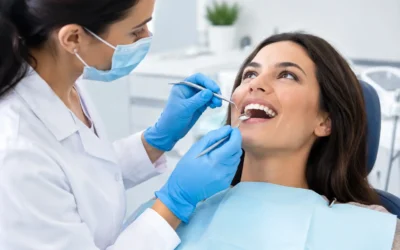
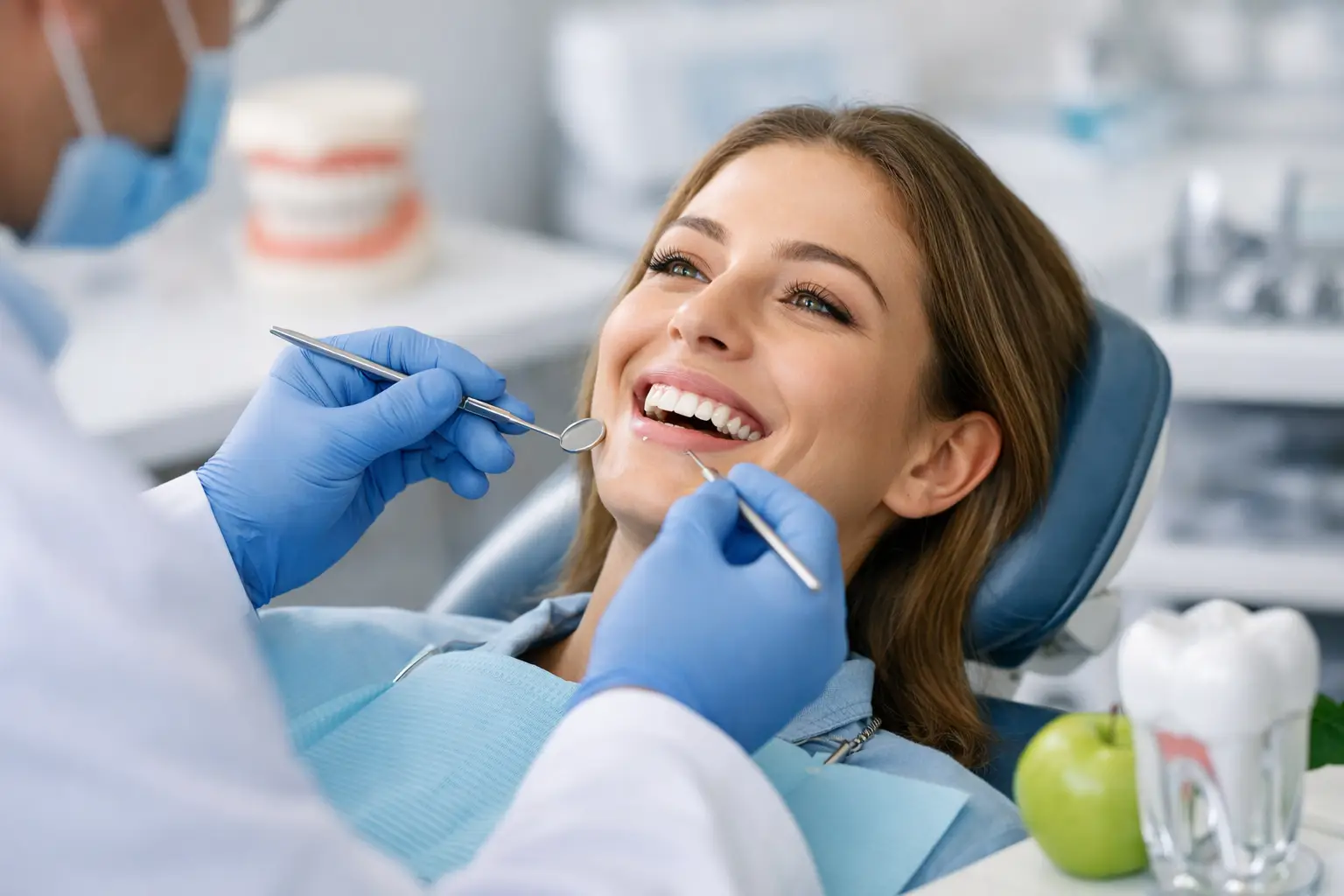
Preventive dental care is the routine care that helps stop problems before they start. That includes exams, professional cleanings, digital X-rays when needed, oral cancer screenings, fluoride treatment in some cases, and guidance on brushing, flossing, and home care. The goal is not just to clean your teeth. It is to catch signs of decay, gum disease, bite issues, enamel wear, or infection early enough that treatment stays simpler.
Comprehensive dental care goes further. It means your dentist is not only checking for cavities during a routine visit. They are evaluating your gums, bite alignment, jaw function, existing dental work, cosmetic concerns, and any changes that may affect your health or confidence over time. If you need more than a cleaning, comprehensive care makes room for that too, whether it is fillings, deep cleaning, root canal treatment, crowns, implants, aligners, veneers, or wisdom tooth removal.
In other words, preventive care helps you avoid trouble. Comprehensive care makes sure that if something does come up, you can address it in a coordinated way instead of patching one problem at a time.
Why preventive dental care matters more than people think
Most dental problems do not begin with pain. Cavities can start quietly. Gum disease often develops with mild symptoms that are easy to ignore, like occasional bleeding when you brush or a little tenderness along the gumline. Even cracked teeth, grinding, and failing dental work can go unnoticed until they become disruptive.
That is where preventive care earns its value. A regular checkup can reveal early-stage issues before they lead to a toothache, swelling, infection, or a larger bill. A professional cleaning removes hardened buildup that brushing at home cannot handle. Periodic imaging helps your dental team spot decay between teeth, monitor bone levels, and identify hidden concerns below the surface.
There is also a comfort factor. When you keep up with preventive visits, appointments tend to be shorter, easier, and more predictable. For busy adults and families, that matters. So does peace of mind. Knowing your oral health is being monitored consistently can take a lot of stress out of dental care.
What makes care truly comprehensive?
Not every dental office approaches care the same way. Some practices are built mainly around basic hygiene and routine treatment. Others can coordinate a much wider range of services under one roof. That difference matters when your needs change.
Comprehensive care means your dentist is thinking beyond the immediate complaint. If you come in for a chipped tooth, they may also look at why it chipped in the first place. Was it an accident, or is there bite pressure, clenching, or enamel wear that needs attention? If you want whiter teeth, comprehensive care also asks whether your gums are healthy and whether any old restorations will need to match your new smile.
This kind of approach is especially helpful for patients who want convenience and continuity. Instead of bouncing between multiple offices for preventive care, cosmetic improvements, oral surgery, and restorative treatment, many people prefer one dental home that can manage the full arc of care.
That does not mean every patient needs every treatment. It means your care plan is based on the whole picture, with recommendations that make sense for your goals, your timeline, and your budget.
What preventive and comprehensive dental care usually includes
For most patients, preventive and comprehensive dental care starts with a thorough exam and cleaning. From there, care may include monitoring or treating conditions such as cavities, gingivitis, periodontitis, worn enamel, broken fillings, cracked teeth, missing teeth, and alignment issues.
It may also include cosmetic services when appearance and function overlap. A patient who wants veneers may first need gum treatment or bite correction. Someone considering dental implants may need an extraction, bone evaluation, and long-term maintenance planning. A patient with chronic discomfort may benefit from imaging, bite analysis, or a more specialized treatment path.
The key is coordination. When one office can manage preventive, restorative, cosmetic, and emergency needs together, your records, imaging, treatment priorities, and follow-up care stay connected. That often leads to a smoother experience and fewer gaps in care.
The real benefit of one office for many dental needs
For many patients, the most practical advantage of comprehensive care is that it saves time and reduces friction. If you have ever had to repeat your history at multiple offices, transfer X-rays, or wait weeks between referrals, you already know how fragmented care can feel.
A full-service practice can make things simpler. Your hygiene visits, fillings, whitening, aligner consultations, implant planning, or emergency evaluations can happen within a more unified system. That does not just improve convenience. It can improve decision-making too, because the team already understands your history, preferences, and concerns.
This is particularly valuable for patients who feel nervous about dental treatment. Familiar faces, consistent communication, and a team that already knows your comfort needs can make a meaningful difference. Gentle care, modern technology, and options like oral sedation are not extras to many patients. They are what make treatment possible.
Who benefits most from this kind of care?
Almost everyone can benefit from preventive and comprehensive dental care, but it is especially useful for people with changing or layered dental needs. That includes adults who have older dental work, patients interested in cosmetic improvements, families trying to keep care organized, and anyone who wants to avoid the stop-start cycle of emergency-only treatment.
It is also a strong fit for people who value efficiency. Working professionals often do not want to spend weeks coordinating care across different providers. Parents want a dependable office that can support routine visits while also helping with more advanced issues if they come up. Long-term residents often prefer building a relationship with a dental team that can care for them through different stages of life.
If your goals include both health and appearance, comprehensive care becomes even more useful. A confident smile is not only about color or straightness. It depends on healthy gums, stable teeth, a balanced bite, and treatment planning that supports the result over time.
What to expect from a good dental care plan
A strong preventive and comprehensive care plan should feel personalized, not automatic. Your dentist should explain what they see, what needs attention now, what can be monitored, and what options you have if there is more than one reasonable path.
There are always trade-offs. Some patients want to address everything quickly. Others prefer to phase treatment over time. Some prioritize esthetics, while others focus first on comfort or function. Good care makes room for those differences without losing sight of your oral health.
You should also expect honesty. Not every stain needs cosmetic treatment. Not every cracked filling needs same-day replacement. And not every patient needs advanced procedures. The right office will recommend what is necessary, explain what is optional, and help you make informed choices without pressure.
At a practice like West Hollywood Smile Dental, that patient-centered model matters because people are not just looking for a cleaning. They are looking for a dental home that can support routine care, urgent needs, and long-term smile goals with comfort and consistency.
When preventive care is not enough on its own
Preventive care is essential, but it is not a guarantee that problems will never happen. Genetics, medications, grinding, diet, past dental work, and simple wear over time can all affect your teeth and gums. Even patients who do many things right may still need restorative or surgical treatment at some point.
That is why comprehensive care matters. It prepares you for the reality that oral health is ongoing. You may move from cleanings to fillings, from whitening to veneers, or from a painful tooth to a root canal or extraction. When those transitions happen within a trusted setting, treatment tends to feel less overwhelming.
The best dental care is not only about fixing what is wrong. It is about building a plan that helps you stay ahead, feel comfortable, and keep your smile strong for the long run. If you have been putting off appointments or piecing care together as problems arise, this may be the right time to choose an approach that is more complete, more connected, and easier to live with.