
A chipped edge before a client meeting, sensitivity when you sip an iced coffee, or a little bleeding when you floss can feel easy to put off. Yet these small changes are often exactly what Los Angeles dental checkups are designed to address – before they become painful, expensive, or disruptive to your schedule.
For busy adults and families, a dental visit should feel clear and worthwhile. You deserve an office that respects your time, explains what it sees without pressure, and can help whether you need a simple cleaning or more advanced care. Routine appointments are not just about keeping teeth bright. They are a practical way to protect your health, confidence, and ability to eat comfortably.
What Happens During Los Angeles Dental Checkups?
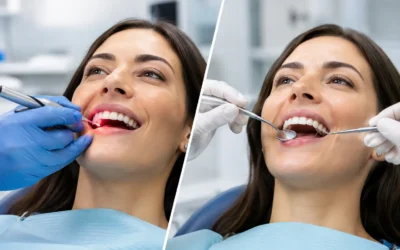
A thorough checkup combines prevention with personalized assessment. Your dental team will review changes in your health, medications, habits, and any concerns you have noticed since your last visit. Mentioning jaw soreness, dry mouth, headaches, sensitivity, or a spot that catches floss can give the exam valuable direction.
Your dentist examines your teeth, gums, bite, existing fillings or crowns, and the soft tissues of your mouth. This includes an oral cancer screening, which looks for unusual changes in the lips, tongue, cheeks, throat, and other tissues. Most findings are harmless, but early evaluation matters when something does not look or feel normal.
Dental X-rays may be recommended based on your oral health history, age, symptoms, and risk for decay or gum disease. They can reveal concerns between teeth, beneath restorations, or around the roots that cannot be seen during a visual exam. X-rays are not necessarily needed at every appointment, so the right schedule depends on the patient rather than a one-size-fits-all calendar.
A professional cleaning usually follows or accompanies the exam. A hygienist removes plaque and hardened tartar that brushing and flossing cannot fully remove, then polishes the tooth surfaces and reviews home-care habits. If gum pockets, inflammation, or tartar below the gumline are present, a deeper periodontal cleaning may be recommended instead of a standard cleaning. That recommendation should come with a clear explanation of why it is needed and what it involves.
Why a Checkup Can Save More Than a Tooth
Dental problems rarely announce themselves at the ideal time. A cavity can grow quietly between appointments. A small crack may only hurt when you bite in a particular direction. Early gum disease can cause bleeding and inflammation without significant pain.
Finding these issues early often keeps treatment more conservative. A small area of decay may be treated with a filling, while a cavity that reaches the nerve can require root canal treatment and a crown. Likewise, treating gum inflammation early may prevent progression to more serious periodontal disease, which can threaten the bone supporting your teeth.
There is an aesthetic benefit, too. Regular cleanings help remove surface stains from coffee, tea, red wine, and everyday life. Just as importantly, routine visits give you a trusted place to discuss cosmetic concerns without treating them as an afterthought. If whitening, veneers, clear aligners, or a smile makeover is on your mind, your dentist can first make sure the foundation of your oral health is stable.
How Often Should You Schedule a Dental Visit?
Many patients benefit from a checkup and cleaning every six months, but six months is a starting point, not a rule that fits everyone. A patient with healthy gums, low cavity risk, and consistent home care may need a different schedule than someone managing gum disease, frequent decay, dry mouth, diabetes, orthodontic treatment, or extensive restorative work.
Some people need periodontal maintenance every three or four months to help control gum disease. Others may need closer monitoring after treatment for a cracked tooth, root canal, implant, or new crown. The goal is not to create unnecessary visits. It is to set an interval that reflects your risk and helps prevent setbacks.
If it has been longer than six months since your last appointment, do not assume you will be judged for it. Life gets crowded. A thoughtful dental team focuses on where you are now, what is healthy, and what needs attention next.
Signs You Should Not Wait for Your Next Cleaning
A routine appointment is ideal, but certain symptoms deserve a prompt call. Tooth pain that wakes you up, facial swelling, a loose or broken tooth, a lost filling or crown, and bleeding that will not stop are all reasons to seek professional advice quickly. A knocked-out tooth is especially time-sensitive.
Less dramatic changes also matter. Persistent bad breath, gums that bleed often, sensitivity that lingers after hot or cold foods, a new lump, or pain when chewing can point to concerns worth examining. Waiting can sometimes be reasonable for mild, short-lived irritation, but ongoing symptoms need more than guesswork.
One advantage of choosing a comprehensive practice is continuity when a routine exam identifies a bigger need. Instead of starting over with another unfamiliar office, patients may be able to receive restorative treatment, gum care, cosmetic planning, oral surgery support, or emergency care in one familiar setting. At West Hollywood Smile Dental, that continuity is part of creating a more comfortable experience from the first exam through follow-up care.
Getting More From Your Appointment
The most useful checkups are conversations, not just procedures. Before you arrive, take a moment to consider what has changed. Are you avoiding chewing on one side? Has a retainer stopped fitting? Do you wake with a sore jaw? Are you unhappy with the color, shape, or spacing of your teeth? Those details help your dentist make recommendations that fit your actual goals.
It also helps to bring an updated medication list and let the office know about changes in your medical history. Some medications can affect saliva flow, gum health, bleeding, or healing. Pregnancy, diabetes, autoimmune conditions, and certain heart conditions may also affect the way your care is planned.
Ask direct questions when a treatment is recommended. What is the concern? What could happen if you wait? Are there alternatives? What does recovery look like, and what will the cost be? Good dentistry should leave you informed enough to make decisions, not overwhelmed by unfamiliar terms.
Comfort Is Part of Quality Care
Avoiding the dentist is common, even among people who care deeply about their health. Past discomfort, dental anxiety, a sensitive gag reflex, or fear of unexpected costs can all make an appointment feel stressful. The right office takes those concerns seriously.
Comfort can include a gentle approach during cleanings, breaks when you need them, clear explanations before treatment begins, and options such as oral sedation for appropriate procedures. It also means discussing financial questions early. Insurance, membership plans, and payment options can affect the choices available to you, so it is reasonable to ask for clarity before moving forward.
Technology can improve precision and efficiency, but it should never replace attentive care. Digital imaging, modern diagnostic tools, and advanced treatment options are most valuable when they help your dentist explain what is happening and create a plan tailored to you.
A Healthy Smile Works Best With Consistent Care
Brushing twice daily with fluoride toothpaste, cleaning between your teeth every day, drinking water, and limiting frequent sugary snacks all support the work done at your checkups. Still, even excellent home care cannot remove every deposit or spot every issue developing out of sight.
A dental checkup gives you an informed baseline and a relationship with a team that knows your smile over time. Whether your priority is preventing a painful surprise, maintaining dental work you already have, or preparing for a cosmetic change, the next appointment can be a calm, practical step toward feeling better when you smile, speak, and eat.