
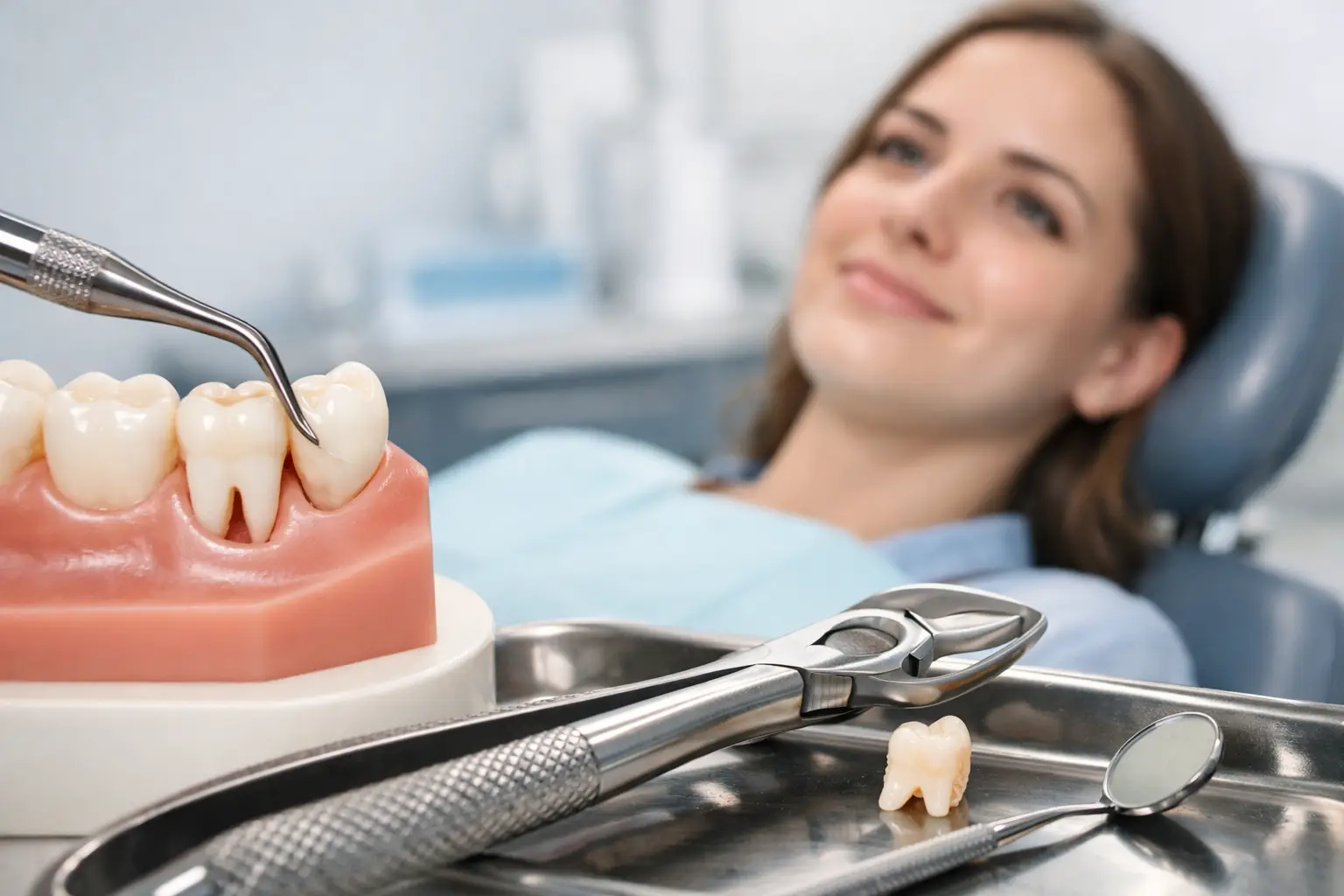
Wisdom teeth do not always cause problems, but when they do, the discomfort can disrupt meals, sleep, work, and everything in between. This guide to wisdom tooth extraction explains how dentists decide whether removal is appropriate, what happens on procedure day, and how to recover with greater comfort and confidence.
When Wisdom Tooth Extraction May Be Recommended
Wisdom teeth are the third molars at the very back of the mouth. They often appear in the late teens or early twenties, although timing varies. Some people have enough space for these teeth to erupt normally and keep them healthy for life. Others have wisdom teeth that are partially erupted, trapped below the gums, or angled against neighboring teeth.
Extraction may be recommended when a wisdom tooth is causing pain, repeated gum inflammation, decay, infection, cyst formation, or damage to the tooth beside it. A partially erupted wisdom tooth can be especially difficult to clean, creating a space where bacteria and food debris collect. Even without severe pain, your dentist may identify concerns on an exam or X-ray that make proactive treatment the safer choice.
Removal is not automatic simply because wisdom teeth are present. The right decision depends on their position, your symptoms, your oral health, and the likelihood of future problems. A personalized evaluation helps avoid both unnecessary treatment and the risks of waiting too long.
Your Guide to Wisdom Tooth Extraction Consultation
A thoughtful consultation should leave you clear on what is happening in your mouth and why. Your dental team will review your medical history, medications, allergies, and any past experience with anesthesia or sedation. X-rays show the tooth roots, bone, nearby sinuses, and the lower jaw nerve, all of which influence treatment planning.
Ask whether the tooth is fully erupted, partially erupted, or impacted. Fully erupted teeth can sometimes be removed much like other molars. Impacted teeth may require a small incision in the gum, removal of a small amount of bone, or dividing the tooth into sections for a more controlled extraction. These details sound intimidating, but they allow your dentist to plan carefully and protect surrounding tissues.
This is also the time to discuss comfort. Depending on the complexity of the procedure and your level of anxiety, options may include local anesthetic, oral sedation, or other forms of sedation. You should understand what to eat beforehand, whether you need a driver, and which medications to pause or continue. If you smoke or vape, be honest about it. Nicotine significantly raises the risk of dry socket and can slow healing.
What Happens on Extraction Day
Most wisdom tooth extractions are completed in one appointment. Before treatment begins, the area is thoroughly numbed. You may feel pressure and movement during the procedure, but you should not feel sharp pain. Let your dentist know right away if you do. Gentle, responsive care is not an extra – it is part of safe treatment.
Once the tooth is removed, the site is cleaned and gauze is placed to help a blood clot form. Some extractions need dissolvable stitches; others heal well without them. You will receive instructions tailored to your procedure, along with guidance about pain relief, swelling, food, and follow-up.
If you receive oral sedation or another medication that affects alertness, arrange for a responsible adult to take you home and stay with you as needed. Plan to rest. Trying to return immediately to meetings, errands, or a workout can make the first day harder than it needs to be.
The First 24 Hours: Protect the Blood Clot
The blood clot in the extraction socket is the foundation of healing. It protects the bone and nerve endings while new tissue develops. Most aftercare instructions are designed to keep that clot in place.
Bite on the gauze as directed and replace it only when instructed. Light oozing can be normal on the first day, but heavy bleeding that does not slow with firm gauze pressure deserves a call to your dental office. Rest with your head slightly elevated, and use a cold pack against the outside of your face in short intervals to help limit swelling.
Avoid forceful spitting, vigorous rinsing, straws, smoking, vaping, and alcohol during the initial recovery period. Suction and irritation can dislodge the clot. Choose cool or lukewarm soft foods such as yogurt, applesauce, eggs, mashed potatoes, smoothies eaten with a spoon, and soup that is not hot. Crunchy foods, seeds, nuts, and spicy foods can irritate the surgical area or become trapped in the socket.
Take medications exactly as prescribed or recommended. Some patients do well with over-the-counter pain relievers, while others may need a different plan based on the procedure and health history. Do not combine medications or exceed recommended doses without professional guidance.
Days Two Through Seven: Healing With Less Guesswork
Swelling often peaks around the second or third day before gradually improving. Bruising, jaw stiffness, and mild soreness can also occur, particularly after impacted tooth removal. After the first day, a warm compress may feel more helpful than ice for tight jaw muscles.
Your dentist may advise gentle warm saltwater rinses after the first 24 hours. Let the water move around your mouth softly rather than swishing aggressively. Continue brushing the rest of your teeth, but be careful around the extraction site. A clean mouth supports healing, and skipping oral hygiene altogether can make recovery less comfortable.
As you feel better, slowly add foods that require more chewing. There is no prize for rushing back to chips, crusty bread, or a hard workout. Recovery timelines differ. A simple extraction may feel substantially better in a few days, while surgical removal of impacted teeth can take longer. Follow the directions given for your specific case instead of comparing your progress with someone else’s.
Know the Difference Between Normal Healing and a Problem
Some tenderness, swelling, and minor bleeding are expected. Pain should generally become more manageable over time. Contact your dentist promptly if pain becomes severe after improving, swelling rapidly worsens, fever develops, you have trouble swallowing or breathing, or you notice persistent numbness.
Dry socket is one complication patients often hear about. It occurs when the blood clot breaks down or is lost too early, exposing bone in the socket. Symptoms often include intense, throbbing pain a few days after extraction that may radiate toward the ear or jaw, along with an unpleasant taste or odor. It is treatable, but it needs professional attention. Do not try to pack the area yourself.
Call if you are unsure. A reassuring conversation can prevent a minor concern from becoming a painful setback. At West Hollywood Smile Dental, patients can expect clear aftercare guidance and a team that takes post-treatment questions seriously.
Planning for a More Comfortable Experience
The practical details matter. Schedule your extraction when you can allow at least a day or two of lower activity, especially if multiple teeth are being removed. Stock your kitchen with soft foods beforehand, fill prescriptions early, and have clean gauze and cold packs ready at home. If sedation is part of the plan, confirm your ride before the appointment rather than scrambling afterward.
It also helps to share concerns openly. Many adults postpone wisdom tooth treatment because of anxiety, a difficult past dental visit, or a busy schedule. Your dental team can only tailor the experience when they understand what would help you feel more at ease. That may mean discussing sedation, pausing during treatment, using a more comfortable position, or scheduling a follow-up at the right time for your recovery.
A wisdom tooth extraction is a common procedure, but it should never feel like an impersonal one. With an accurate diagnosis, a careful treatment plan, and patient-specific aftercare, you can focus less on uncertainty and more on healing well.