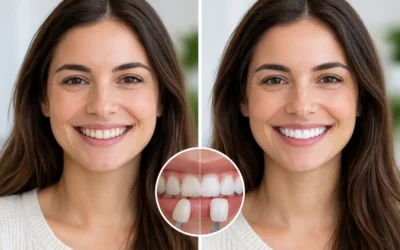
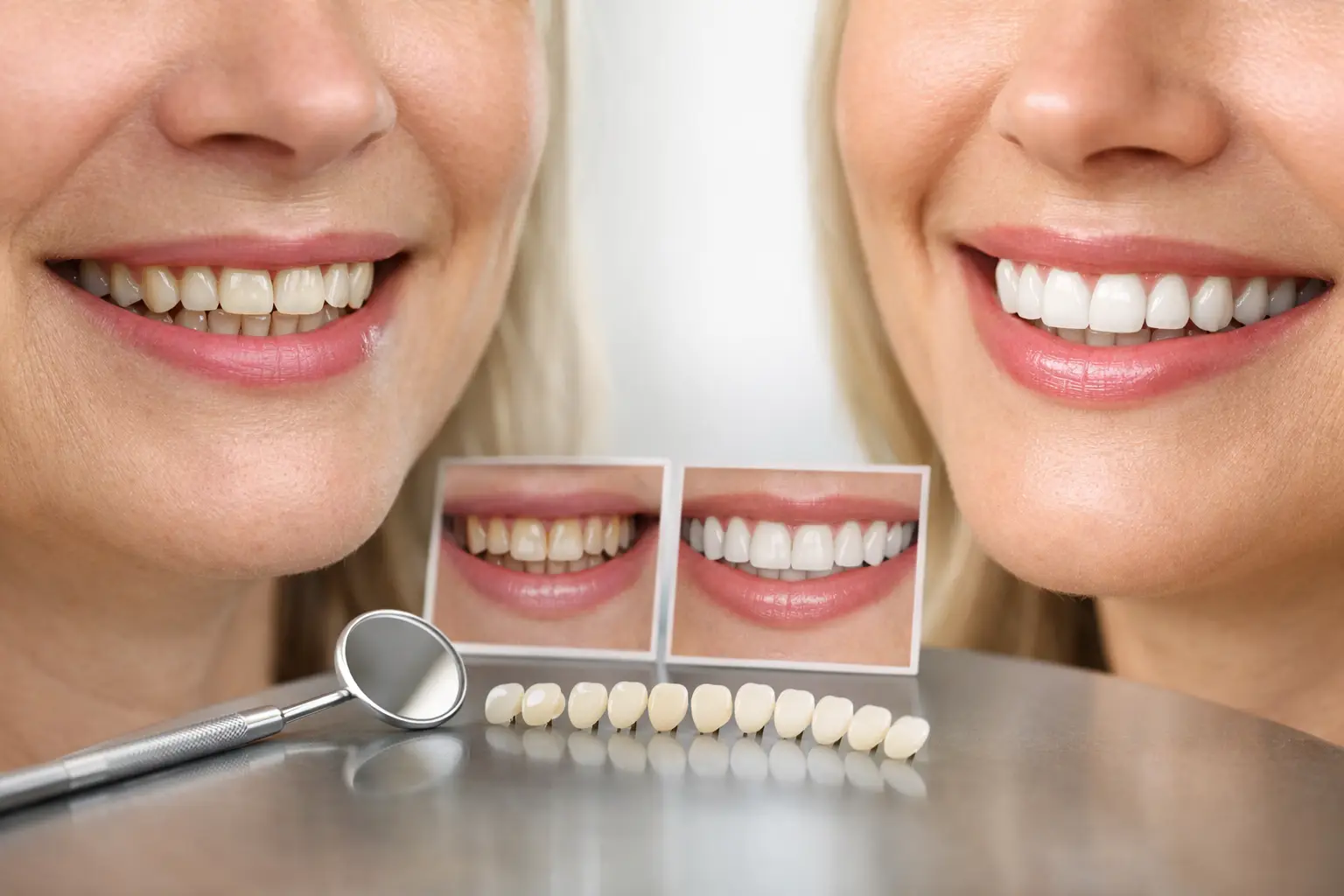
A smile makeover is rarely about creating a perfectly uniform set of teeth. The most compelling smile makeover before after examples show something more personal: a smile that looks healthier, brighter, balanced, and still unmistakably like the patient. Whether the concern is discoloration, worn edges, uneven spacing, missing teeth, or several issues at once, the right plan should improve how your smile looks and functions without making it feel artificial.
For many adults in West Hollywood and greater Los Angeles, the “before” photo can feel familiar: teeth that appear short in pictures, a front tooth that is darker than the rest, old bonding that no longer matches, or gaps that draw attention away from an otherwise healthy smile. The “after” is not one treatment or one standard look. It is the result of careful diagnosis, honest conversations, and a plan built around your goals, timeline, oral health, and comfort.
What Smile Makeover Before After Examples Can Show
Before-and-after images can be useful because they make cosmetic dentistry feel less abstract. They can demonstrate how small changes in tooth color, proportion, alignment, and gum balance affect the whole face. A successful after image often looks refreshed rather than dramatically “done.”
Still, photos should be viewed with perspective. Lighting, camera angle, lip position, and the condition of the teeth before treatment all influence what you see. More importantly, another patient’s result is not a prescription for yours. Your enamel, bite, gum health, facial features, and aesthetic preferences may call for a very different approach.
The best examples also reflect responsible care. Cosmetic treatment should not cover up active decay, gum disease, infection, or an unstable bite. Addressing those concerns first protects your investment and gives your final result a healthier foundation.
Common Smile Makeover Before and After Examples
A dull or uneven smile becomes brighter and more consistent
One of the simplest transformations begins with teeth whitening. Professional whitening can lift many stains caused by coffee, tea, red wine, tobacco, and natural aging. In a before-and-after example, the teeth may look cleaner and more youthful while retaining their natural shape.
Whitening has limits. It will not change the color of crowns, veneers, fillings, or bonding, and not every gray or internal stain responds the same way. When visible restorations no longer match after whitening, replacement may be part of the cosmetic plan. This is why a personalized shade assessment matters before treatment begins.
Worn, chipped, or uneven front teeth regain balance
Years of normal use, clenching, grinding, or minor trauma can leave front teeth chipped, shortened, or irregular along the edges. Depending on the amount of change needed, dental bonding, porcelain veneers, or crowns may restore a more even appearance.
Bonding is a conservative option for minor chips, small gaps, and shape adjustments. It can often be completed efficiently, though the material may stain or chip over time and may need maintenance. Porcelain veneers offer durable, highly customized color and shape for appropriate candidates, but they usually require some tooth preparation and are a long-term commitment. Crowns may be recommended when a tooth also needs significant structural support.
The most natural results avoid making every tooth identical. A skilled cosmetic plan considers subtle differences in translucency, contour, and tooth length so the smile looks polished without looking flat.
Gaps or mild crowding look more harmonious
A small space between front teeth or minor crowding can make someone reluctant to smile fully. In some cases, clear aligners gradually move teeth into a more balanced position. In others, bonding or veneers can adjust the width and contour of teeth to reduce the appearance of a gap.
The choice depends on the cause of the spacing, how the teeth meet, and how much movement is needed. Aligners can preserve more natural tooth structure and address bite-related concerns, but they require consistent wear and take time. Veneers can create an immediate visual change for certain patients, but they do not move the roots or correct every orthodontic concern. A proper examination helps determine what will create a stable result, not just a fast photo.
A single dark, damaged, or missing tooth no longer stands out
Sometimes a smile makeover centers on one tooth. A discolored tooth after trauma or root canal treatment, for example, may require internal whitening, bonding, a veneer, or a crown depending on its condition. Matching that tooth to neighboring teeth requires careful shade selection and attention to how light reflects from the surface.
For a missing tooth, an implant-supported crown can restore the visible space while helping support chewing function and jawbone health. A bridge may also be a practical solution in some circumstances. The most appropriate choice depends on the surrounding teeth, bone support, health history, and budget.
Old dental work is refreshed for a more natural look
Older crowns, fillings, bonding, and veneers can discolor, chip, wear down, or develop visible edges over time. Replacing worn restorations can make a major aesthetic difference, especially in the front of the smile.
However, replacement should be clinically justified. Healthy restorations do not always need to be changed simply because a trend has changed. The goal is to improve appearance while respecting healthy tooth structure whenever possible. At West Hollywood Smile Dental, treatment planning can bring preventive, restorative, and cosmetic needs together in one office, so aesthetic choices are considered alongside long-term oral health.
What a Thoughtful Smile Makeover Plan Includes
The best before-and-after results begin before any cosmetic treatment is selected. Your dentist should first evaluate your teeth, gums, bite, existing restorations, and any signs of grinding or jaw strain. If you are experiencing pain, bleeding gums, loose teeth, or sensitivity, those concerns deserve attention before elective changes.
Then comes the conversation that shapes the result. Some patients want a subtle improvement that coworkers may not immediately notice. Others want a brighter, more camera-ready smile for a wedding, career milestone, or personal confidence. Both goals are valid, but the treatment path can be very different.
A well-designed plan often considers:
- Tooth color, including whether you prefer a soft natural white or a noticeably brighter shade
- Tooth shape and length in relation to your lips, face, and smile line
- Gum symmetry and overall gum health
- Bite forces, clenching, and grinding that could affect cosmetic work
- Your desired timeline, maintenance expectations, and budget
Digital imaging, photographs, and diagnostic models may help you visualize possibilities. They are useful planning tools, but they are not guarantees. Natural tissues, bite adjustments, laboratory craftsmanship, and healing response all play a role in the final result.
Questions to Ask When Reviewing Before-and-After Photos
When you look at cosmetic dentistry photos, focus on more than whiteness. Ask whether the teeth suit the patient’s face, whether the gumline looks healthy, and whether the shapes have natural variation. Notice whether the transformation appears to solve a clear concern, such as worn edges or uneven color, rather than simply chasing a one-size-fits-all look.
It is also reasonable to ask what treatments were used, how long they took, and what maintenance is expected. Whitening may need touch-ups. Bonding may need repair. Veneers and crowns require excellent home care and regular dental visits. If grinding is a concern, a nightguard may help protect your new smile.
A trustworthy consultation should also include a conversation about trade-offs. A conservative option may be less dramatic but preserve more enamel. A more comprehensive restoration may deliver a larger visual improvement but require greater financial commitment and ongoing care. The right choice is the one that fits your health and priorities.
A Better “After” Starts With Healthy Expectations
A beautiful result should feel comfortable to wear, easy to care for, and aligned with your real life. It should allow you to speak, eat, laugh, and smile with greater confidence, not create constant worry about protecting a fragile or overly aggressive cosmetic change.
If you are considering a smile makeover, bring a few photos of smiles you like to your consultation, along with an honest list of what bothers you about your own. A caring dental team can help separate what is possible from what is necessary, then design a treatment plan that respects both. The most meaningful after photo is often the one where you simply look like yourself – relaxed, healthy, and happy to smile.