
How Much Is a Dental Implant?
If you have been told you need to replace a missing tooth, your first question is usually not about titanium or healing time. It is simpler than that: how much is a dental implant, and what are you actually paying for?
That question deserves a straight answer. In most cases, a single dental implant can cost anywhere from about $3,000 to $6,000 or more from start to finish. The wide range is not a gimmick. It reflects the fact that an implant is not one item on a shelf. It is a treatment process, and the final price depends on your bone health, the location of the missing tooth, the type of restoration you need, and whether additional procedures are required before the implant can be placed.
How much is a dental implant in real-world terms?
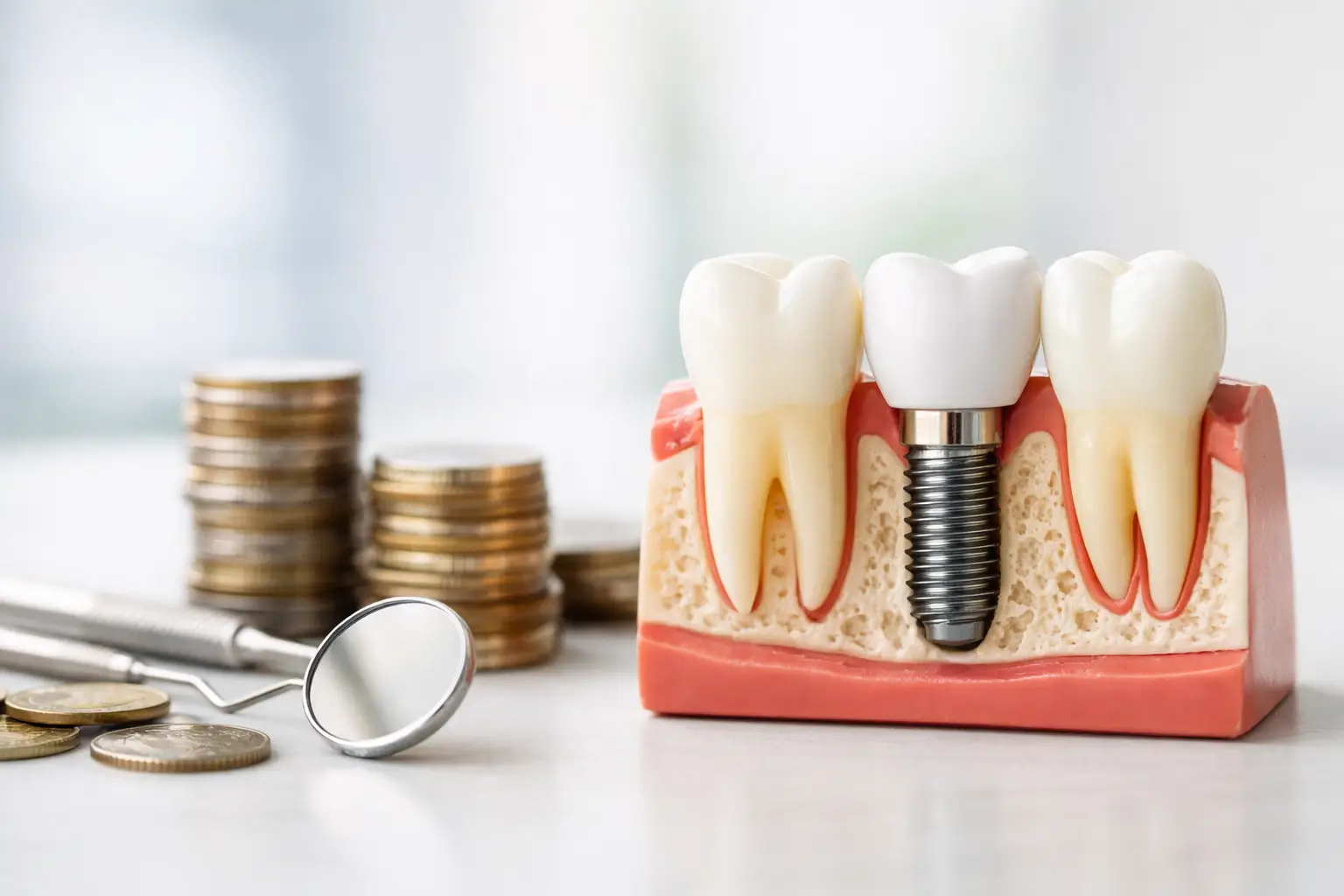
When patients ask how much is a dental implant, they are often thinking of one final number. Dentistry does not always work that way. A complete implant case may include the implant post itself, the abutment that connects it to the tooth, the custom crown, imaging, exams, and follow-up visits. In some cases, it may also include bone grafting, sinus augmentation, or extraction of a damaged tooth before treatment begins.
That is why one office may quote a lower number that covers only part of the process, while another provides a more complete fee upfront. Neither is automatically wrong, but the difference matters. The better question is often, what is included in the estimate?
For a straightforward single-tooth implant with no major complications, many patients land somewhere in the middle of the range. If the tooth has been missing for a long time and bone has shrunk, the price may increase because rebuilding a stable foundation takes added time and materials.
What affects the cost most?
The biggest driver is complexity. Replacing a front tooth, for example, can be more demanding from a cosmetic standpoint because the shape of the gumline and the color match are highly visible. Replacing a molar may involve heavier bite forces and a different restorative approach. Both can be excellent candidates for implants, but they are not identical cases.
Bone quality is another major factor. An implant needs healthy support in the jaw. If there is not enough bone, a graft may be recommended before or during implant placement. That can raise the total cost, but it also improves the long-term stability of the result. Skipping necessary foundation work to save money upfront can create more expensive problems later.
The type of provider matters too. A team that can manage planning, surgery, and restoration in one office often gives patients a more coordinated experience. That convenience can also make pricing easier to understand because fewer pieces are handled across separate offices.
Technology also plays a role. Digital scans, 3D imaging, and guided implant planning can add value by improving precision and helping your dentist plan around nerves, sinuses, and bite forces. While advanced technology may affect fees, it can also improve predictability and patient comfort.
What should be included in the price?
This is where many patients get tripped up. An implant estimate should be detailed enough that you know whether you are paying for the full treatment or just one phase.
A complete single implant plan often includes the consultation, diagnostic imaging, implant placement, healing visits, the abutment, and the final crown. If sedation, temporary restorations, or grafting are needed, those may be separate. Insurance coordination, lab fees, and post-op appointments can also vary by practice.
It is completely reasonable to ask for a written breakdown. A trustworthy office should be comfortable explaining what is included, what might change, and what would trigger added fees. Clear communication is part of good care.
Why dental implants cost more than bridges or dentures
At first glance, implants can seem expensive compared with other tooth replacement options. A bridge or removable partial denture may have a lower upfront cost. But the comparison is not just about today.
A dental bridge typically relies on support from neighboring teeth, which may need to be reshaped. An implant stands independently, which helps preserve nearby tooth structure. It also stimulates the jawbone in a way removable options do not. That matters because bone loss tends to continue after a tooth is lost.
Dentures and partials can be effective solutions in the right situation, especially when several teeth are missing. Still, they may require relining, adjustment, or replacement over time. An implant is often chosen because it feels more stable, looks natural, and can last many years with proper care. So while the upfront investment is usually higher, the long-term value may be better for the right patient.
Are cheap dental implants a red flag?
Sometimes, yes. Low pricing is not always bad, but it should make you ask smart questions.
If an offer sounds much lower than average, find out whether it includes the crown, imaging, and follow-up care. Ask what implant system is being used, who performs the surgery, and whether the treatment plan was based on a full exam with 3D imaging. You want a diagnosis tailored to your mouth, not a one-size-fits-all sales pitch.
Comfort matters too. Implant treatment should feel organized, well explained, and respectful of your time. In a high-quality office, the experience is not just about placing a screw in the jaw. It is about careful planning, gentle care, and a restoration that functions well and looks right in your smile.
Does dental insurance cover implants?
Coverage varies a lot. Some dental plans still classify implants as elective and provide little or no benefit. Others may cover part of the restoration, such as the crown, while excluding the surgical phase. Certain medical plans may contribute if tooth loss is related to trauma or a medically necessary procedure, but that is case-specific.
What matters most is verification before treatment begins. A good dental team will help review benefits, explain your estimated out-of-pocket cost, and talk through payment options if needed. That clarity can make the decision feel much less stressful.
For patients without strong insurance coverage, financing or an in-house membership plan can make care more manageable. The goal is not pressure. It is helping you understand the path forward so you can make a decision based on value, timing, and your health priorities.
How much is a dental implant if you need extra procedures?
This is where the estimate can change meaningfully. If the tooth needs to be extracted first, or if a bone graft is required, your total investment will be higher than someone who is ready for immediate implant placement.
A simple extraction may add a modest fee. Bone grafting can range more widely depending on the amount of material needed and whether the area is a front tooth, a back tooth, or the upper jaw near the sinus. A sinus lift is more specialized and increases cost further.
That said, extra steps are not bad news. They are often the reason an implant can succeed for years to come. Good planning may take more time and money upfront, but it often protects the result.
What makes an implant worth it?
For many adults, it comes down to confidence and normalcy. You can chew more comfortably, smile without thinking about a gap, and avoid the shifting that sometimes happens after tooth loss. Those benefits are hard to reduce to a line item.
Implants are also appealing because they are conservative in a different way. Rather than leaning on the teeth next to the space, they replace the missing root and support the replacement tooth from within the jaw. That can help maintain facial structure and bite balance over time.
Not every patient is an ideal candidate right away. Gum disease, smoking, uncontrolled diabetes, and certain bite issues can affect healing or long-term success. But those concerns do not always rule treatment out. They simply mean your dentist should plan carefully and discuss trade-offs honestly.
How to compare implant estimates with confidence
If you are deciding between treatment plans, do not focus on price alone. Look at the diagnosis, the experience of the team, the technology used, and whether the office is transparent about each step. Ask who will handle the surgery and who will make the final crown. Ask about healing time, temporary options, and what happens if additional treatment is needed along the way.
In a comprehensive office, patients often appreciate being able to manage everything from imaging to restoration in one place. That continuity can save time, reduce confusion, and make follow-up care much easier. For busy professionals and families, convenience is not a small detail. It is part of what makes treatment feel doable.
If you are wondering how much is a dental implant, the most helpful answer is this: enough to reflect the planning, skill, materials, and long-term function needed to replace a tooth well. The right treatment should feel clear, personalized, and worth saying yes to when you are ready.