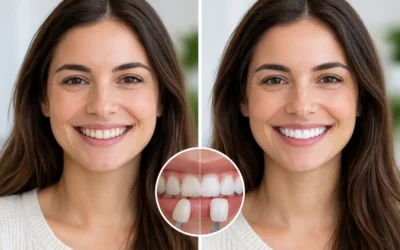

A veneer should feel like part of your smile, not like something you have to worry about every time you eat, laugh, or pose for a photo. Learning how to care for veneers is less about complicated rules and more about protecting the natural teeth and gums that support them. With consistent home care and regular dental visits, porcelain veneers can remain beautiful and functional for many years.
Veneers are thin, custom-made shells bonded to the front of teeth to improve color, shape, spacing, or symmetry. They are highly durable, but they are not indestructible. The bond between the veneer and tooth, your gum health, and everyday habits all influence how long your result lasts.
How to Care for Veneers Every Day
The foundation of veneer care is the same foundation of a healthy mouth: brush thoroughly, clean between your teeth, and keep your regular checkups. Veneers themselves cannot develop cavities, but the tooth structure beneath and around them can. Plaque can also irritate the gumline, which may change the appearance of your smile over time.
Brush at least twice a day using a soft-bristled toothbrush and a nonabrasive fluoride toothpaste. Use gentle, small circular motions along the gumline and on every tooth surface. Brushing aggressively does not make teeth cleaner. Instead, it can irritate gums and gradually wear natural enamel near the edges of your veneers.
Floss once a day, especially around the teeth with veneers. Slide the floss carefully between teeth and clean below the gumline without snapping it down. If you have several veneers close together, your dentist or hygienist can recommend the best floss, interdental brush, or water flosser for your smile. The right tool depends on the shape of your teeth, the spacing between them, and the health of your gums.
A fluoride mouth rinse may be useful for some patients because it helps strengthen exposed natural enamel and reduce cavity risk. It is not necessary for everyone, so ask your dentist which rinse fits your needs. Avoid choosing products simply because they promise dramatic whitening or intense stain removal.
Choose Toothpaste and Whitening Products Carefully
Many whitening toothpastes rely on abrasive particles to lift surface stains. Used every day, a highly abrasive formula can create unnecessary wear on natural enamel and may dull the polished surface of restorations over time. A gentle toothpaste without harsh scrubbing particles is usually the better choice for maintaining a smooth, natural-looking finish.
Whitening products deserve a little extra context. Porcelain veneers do not whiten in the same way natural teeth do. If you whiten your surrounding teeth after receiving veneers, their color may become lighter than the veneer shade. Before starting strips, trays, or in-office whitening, speak with your dentist so your smile continues to look balanced.
Eat Normally, but Do Not Use Veneers as Tools
You should be able to enjoy most foods with veneers. The concern is not an occasional crisp apple or a handful of nuts. Problems are more likely when front teeth are used to bite very hard foods directly or to open, tear, and cut nonfood items.
When eating foods that are especially hard or sticky, use common sense. Cut hard fruits and vegetables into smaller pieces rather than biting forcefully with your front veneers. Be cautious with ice, hard candy, popcorn kernels, and sticky caramel. These habits can place pressure on a veneer edge or on the bonding material.
Avoid using your teeth to open packages, hold pins, tear tags, or crack shells. It may take only one awkward bite to chip a veneer or damage a natural tooth. If you notice yourself chewing pens, fingernails, or other objects during work or while driving, addressing that habit can protect both your veneers and your jaw.
Coffee, tea, red wine, berries, and richly colored sauces can stain the natural teeth around veneers. Porcelain is very stain resistant, but it is not a free pass to ignore oral hygiene. Rinsing with water after dark beverages and brushing at your usual time can help reduce surface staining. If you drink coffee throughout the day, shortening the amount of time your teeth are exposed can be more helpful than brushing immediately after every sip.
Protect Your Veneers From Grinding and Trauma
Teeth grinding and clenching can put significant pressure on veneers, particularly when it happens nightly and without your awareness. Morning jaw soreness, frequent headaches, flattened teeth, or chipped edges can all suggest grinding. If you have these symptoms, tell your dentist.
A custom night guard can create a protective barrier between upper and lower teeth while you sleep. Over-the-counter guards may be appropriate in limited situations, but a professionally fitted guard is generally more comfortable and provides more precise protection. This is especially valuable for patients with multiple veneers, crowns, or other cosmetic dental work.
If you play contact sports or activities with a meaningful risk of facial impact, wear a custom sports mouthguard. Even an excellent veneer cannot reliably withstand a direct blow from a ball, elbow, or fall. A mouthguard protects your veneers, natural teeth, lips, and jaw at the same time.
Keep Up With Professional Cleanings and Exams
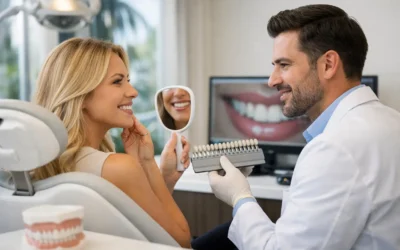
Professional cleanings are not just for removing tartar. Your dental team can evaluate the edges of each veneer, check the health of your gums, and look for early signs of leakage, cracks, recession, or decay around the restoration. Catching a small concern early is often simpler and more conservative than waiting until you feel pain.
At a routine visit, your hygienist can use instruments and polishing methods appropriate for veneers and other cosmetic restorations. Let the team know about any change you have noticed, even if it seems minor. Sensitivity, a rough edge, a change in bite, or food repeatedly catching in one spot can point to an issue worth examining.
Your recommended recall schedule may vary. Many adults benefit from preventive visits every six months, while patients with gum disease, heavy plaque buildup, dry mouth, or more complex dental work may need more frequent care. A personalized schedule protects the investment you have made in your smile while supporting your overall oral health.
Know When to Call Your Dentist
A veneer that feels smooth and secure does not require special attention. However, do not try to polish, glue, or adjust a veneer at home if something changes. Home repairs can damage the tooth underneath or make a professional repair more difficult.
Contact your dentist promptly if you notice any of the following:
- A veneer feels loose, shifts, or comes off
- You see a chip, crack, or sharp edge
- A tooth becomes sensitive to pressure, heat, or cold
- Your bite suddenly feels uneven
- Your gums bleed, swell, or recede around a veneer
- You notice a dark line, persistent odor, or food trapping near an edge
If a veneer comes off intact, keep it in a clean container and bring it to your appointment. Do not use household glue or adhesive. In some cases, the veneer can be rebonded; in others, the tooth and restoration need a closer evaluation before the safest next step is decided.
Give Your Smile the Attention It Deserves
The best veneer care is consistent rather than perfect. A soft toothbrush, daily flossing, sensible food habits, and protection from grinding go a long way. Just as importantly, regular exams allow your dentist to care for the teeth and gums behind the cosmetic result.
If your veneers feel different, look different, or you are unsure which products are safe to use, a personalized visit can provide clear answers and peace of mind. At West Hollywood Smile Dental, our team can help you maintain a healthy, confident smile with gentle care tailored to your needs.