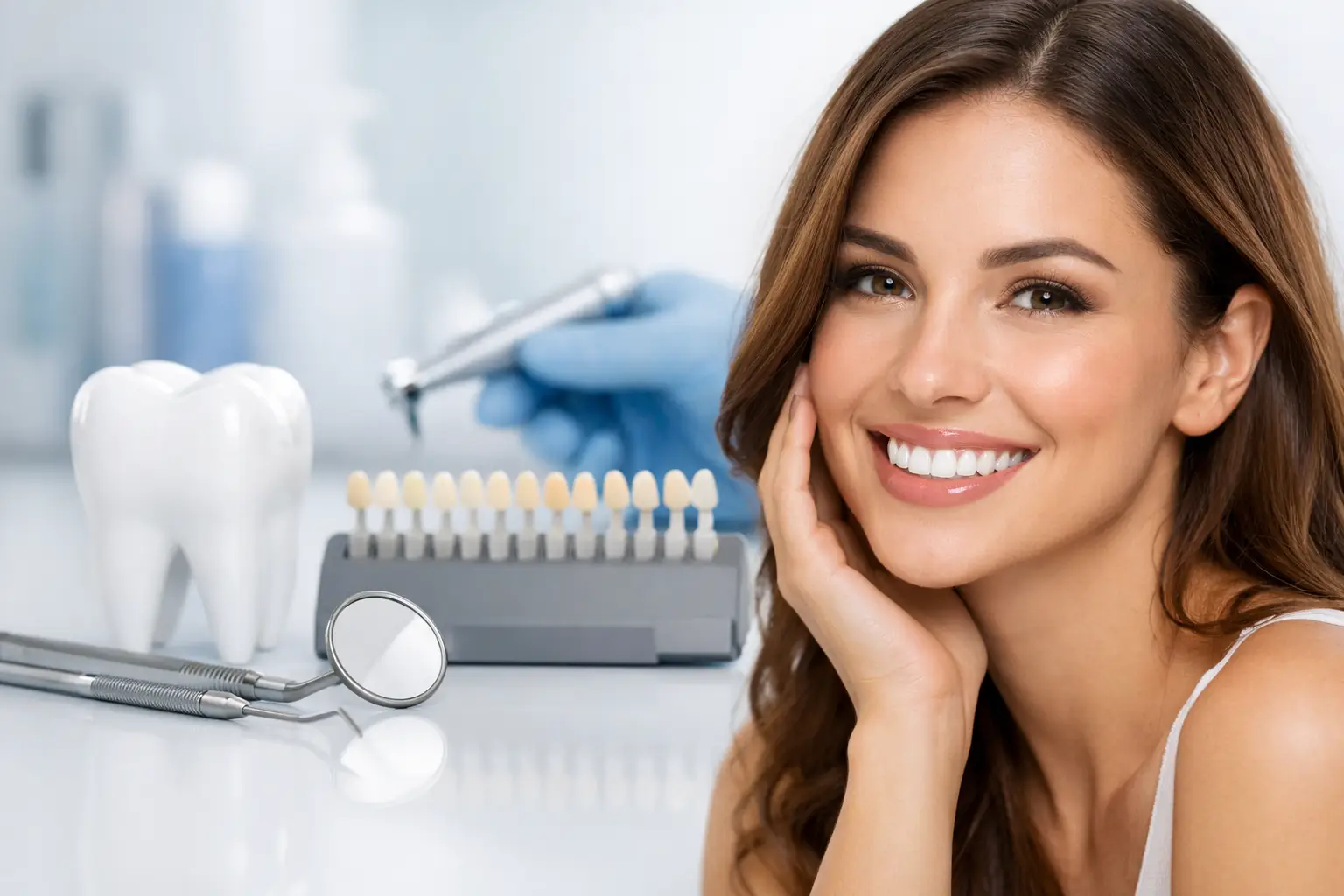
A brighter, more balanced smile can change how you show up in photos, at work, and in everyday conversations. The best cosmetic dental treatments are not about copying someone else’s smile. They are about improving the details that bother you while protecting the health, function, and natural character of your teeth.
For some patients, professional whitening is enough. Others need to address worn edges, uneven spacing, a crooked bite, or older dental work that no longer matches. The right choice depends on your goals, your oral health, your timeline, and how much change you want to see.
What Makes a Cosmetic Dental Treatment Right for You?
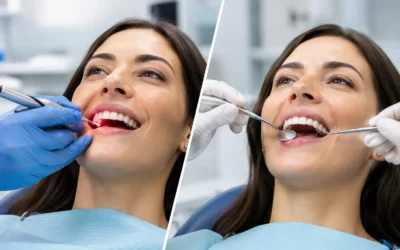
Cosmetic dentistry works best when it begins with a thoughtful conversation, not a one-size-fits-all recommendation. Your dentist should look at your teeth, gums, bite, facial proportions, and existing restorations before suggesting a plan. A treatment that creates a beautiful result for one person may not be the most conservative or long-lasting option for another.
Healthy teeth and gums come first. Cavities, gum inflammation, grinding, and bite problems can affect both the appearance of your smile and the durability of cosmetic work. Addressing those concerns early helps protect your investment and can prevent a new veneer, bonding treatment, or crown from chipping, staining, or failing sooner than expected.
It also helps to be clear about your priorities. Are you looking for a subtle refresh before a major event? Do you want to close a visible gap? Are you hoping to rebuild a smile affected by wear, missing teeth, or past dental work? A personalized plan can focus on one concern or combine treatments in the right sequence.
The Best Cosmetic Dental Treatments to Consider
Professional Teeth Whitening
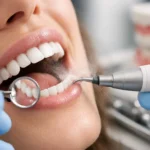
Professional teeth whitening is often the simplest way to make a noticeable improvement. It can lift many common stains caused by coffee, tea, wine, tobacco, and natural aging. For patients with generally healthy, straight teeth, whitening may be all that is needed to create a fresher-looking smile.
A professional approach matters because tooth sensitivity, gum irritation, and uneven whitening are common concerns with over-the-counter products. Your dentist can recommend an approach based on the shade of your teeth and your history of sensitivity. Whitening does not change the color of fillings, crowns, veneers, or bonding, so it is often completed before replacing visible restorations to achieve a better match.
Dental Bonding
Dental bonding uses tooth-colored composite resin to repair small chips, soften uneven edges, close minor spaces, or improve the shape of a tooth. It is typically a conservative option because little to no natural enamel needs to be removed. In many cases, it can be completed in a single visit.
Bonding is a strong choice for targeted improvements, especially when the concern is small and the budget or timeline is limited. The trade-off is that resin can stain and may not last as long as porcelain, particularly for people who bite their nails, chew ice, or grind their teeth. Regular care and occasional touch-ups can keep it looking its best.
Porcelain Veneers
Veneers are thin, custom-made porcelain shells placed over the front surfaces of teeth. They can improve several concerns at once, including deep discoloration, uneven shape, chips, worn edges, minor gaps, and teeth that appear too small or asymmetrical.
The appeal of veneers is their ability to create a highly polished, natural-looking result while resisting stains better than composite bonding. Still, veneers are not automatically the best answer for every cosmetic concern. They usually require some enamel preparation, and they need to be planned carefully around your bite. If your teeth are significantly crowded or your bite is unstable, orthodontic treatment or restorative care may be a better first step.
A well-designed veneer smile should look like it belongs to you. The goal is not to make every tooth identical or overly bright. It is to create proportion, color, and balance that look confident from across the room and natural up close.
Clear Aligners and Orthodontics
Straightening your natural teeth can be one of the most meaningful cosmetic changes because it improves alignment rather than simply covering it. Clear aligners are popular with adults who want a discreet way to address crowding, gaps, shifting, or certain bite concerns. Treatment can often fit more comfortably into a busy professional schedule than traditional braces.
The timeline varies. Small movements may take months, while more complex bite correction can take longer. Aligners need to be worn consistently, and retainers are essential after treatment to help protect your result. In some cases, straightening teeth first allows for more conservative bonding or veneers afterward because less reshaping is needed.
Gum Contouring
Sometimes the teeth are healthy and well-shaped, but the gumline makes the smile appear uneven or “gummy.” Gum contouring can gently reshape excess gum tissue to reveal more of the natural tooth structure and create a more balanced frame around the smile.
This treatment is not simply cosmetic in every case. Your dentist must first determine why the gums appear prominent. The cause may relate to tooth position, gum tissue, jaw structure, or how the upper lip moves when you smile. Careful evaluation helps ensure that the recommended treatment addresses the real source of the concern.
Crowns, Implants, and Smile Restoration
Cosmetic dentistry and restorative dentistry often overlap. A tooth that is cracked, severely worn, heavily filled, or discolored after a root canal may need a crown to restore strength and improve appearance. Modern crowns are designed to blend with surrounding teeth in shape, color, and translucency.
For a missing tooth, a dental implant can restore both the appearance of the smile and the ability to chew comfortably. It also helps preserve the jawbone and can keep neighboring teeth from shifting into the open space. Implant treatment takes planning and healing time, but it is often a lasting solution for patients who want a fixed replacement rather than a removable option.
When multiple concerns are involved, a smile makeover may combine whitening, alignment, bonding, veneers, crowns, or implants. The best plans are phased thoughtfully, with health and function guiding every cosmetic decision.
How to Choose Between Cosmetic Options
It is easy to focus on before-and-after photos, but your own treatment decision should go deeper. Ask how long the result is expected to last, what maintenance it will require, whether any enamel will be altered, and how the treatment may affect your bite. You should also ask what happens if you clench or grind your teeth. A custom night guard may be recommended to protect veneers, bonding, crowns, and natural enamel.
Cost matters, too. Whitening and bonding can be accessible starting points, while veneers, orthodontics, and implants are larger investments. A good dental team will explain your options clearly, including what can be staged over time and what payment or membership options may help make care manageable. The lowest upfront price is not always the best value if treatment is not planned for durability.
Comfort should never be overlooked. If dental anxiety has kept you from pursuing care, ask about gentle techniques, comfort amenities, and sedation options when appropriate. Feeling informed and supported can make a major difference, particularly when your treatment involves several visits.
Start With a Smile Consultation
At West Hollywood Smile Dental, cosmetic treatment planning is centered on your goals, your comfort, and the long-term health of your smile. A comprehensive evaluation can identify which changes will make the greatest difference and which treatments can wait, so you never feel pressured into more care than you need.
Bring photos of smiles you like if they help you explain your vision, but also share what you want to keep about your own smile. The most rewarding cosmetic dentistry does not erase your individuality. It helps you smile more freely because your teeth feel healthy, comfortable, and genuinely yours.
Preventive Dentistry Benefits for Your Smile