A throbbing tooth at 7 p.m., a broken crown before an important meeting, or a child’s chipped tooth after practice can quickly turn an ordinary evening into a stressful one. When you need a dentist open late, the goal is not simply to find the nearest available appointment. You need clear guidance, gentle care, and a dental team that can determine what is causing the problem and help you feel comfortable from the moment you call.
For busy professionals, families, and anyone balancing a full Los Angeles schedule, evening availability can make it easier to address dental concerns before they become more painful, more complicated, or more expensive to treat.
When a Dentist Open Late Can Make a Real Difference
Not every dental concern requires immediate treatment, but waiting is not always the most comfortable or practical choice. A late appointment may be especially helpful when pain is interrupting sleep, a tooth has cracked or broken, a filling has fallen out, or a crown has become loose. It can also be useful for swelling, gum discomfort, sensitivity that is getting worse, or a cosmetic concern before travel, work, or a special event.
Some problems are urgent because they affect the tooth’s long-term health. A deep cavity, infection, or cracked tooth may need prompt attention to avoid more extensive treatment later. Other concerns are less urgent but still deserve a professional evaluation. A sharp edge on a broken tooth, for example, can irritate your cheek or tongue, while a lost filling can leave the tooth more sensitive to temperature and pressure.
Late dental availability is also valuable for routine care. If standard weekday appointments conflict with work, school drop-off, or family responsibilities, an evening visit can make it easier to stay consistent with exams, cleanings, and preventive treatment. The best dental care is often the care that fits realistically into your life.
Know the Difference Between Urgent Dental Care and an Emergency
Dental pain can feel alarming, and it is always appropriate to contact a dental office for direction. Still, certain symptoms require emergency medical care rather than waiting for a dental appointment.
Seek immediate medical attention if you have trouble breathing or swallowing, uncontrolled bleeding, significant facial trauma, severe swelling that is spreading, or swelling accompanied by fever. These symptoms can indicate a serious condition that needs urgent hospital-level care.
For many other dental issues, an experienced dentist can provide the next right step. That may include relieving pain, stabilizing a damaged tooth, treating an infection, adjusting a restoration, or planning follow-up treatment. The exact approach depends on the source of the issue, which is why an examination and, when needed, digital imaging matter. Pain does not always point precisely to the tooth causing it.
Common concerns that should not be ignored
A persistent toothache, pain when biting, sensitivity that lingers after hot or cold foods, a pimple-like bump on the gums, or a loose adult tooth all deserve a call to a dentist. So do chipped teeth, lost restorations, and jaw discomfort that makes chewing difficult.
Even if symptoms settle down, the underlying cause may still be present. An infected tooth can temporarily stop hurting when the nerve is damaged, but the infection itself does not necessarily resolve. Early care can often preserve more of your natural tooth and limit discomfort.
What to Do Before Your Evening Appointment
A few simple steps can protect your mouth and make your visit more productive. First, call the dental office and describe your symptoms as clearly as possible. Share when the pain began, whether it is constant or comes and goes, what makes it worse, and whether you have swelling, fever, or an injury. This information helps the team guide you appropriately.
If a tooth has been chipped or broken, save any pieces you can find. Rinse your mouth gently with warm water and avoid chewing on that side. For a knocked-out adult tooth, hold it by the crown rather than the root, rinse it briefly if it is dirty, and try to place it back into the socket if you can do so safely. If that is not possible, keep it moist in milk or saliva and seek dental care promptly.
For a lost filling or crown, avoid sticky foods and do not attempt to use household glue. A temporary dental repair product from a pharmacy may offer short-term protection, but it is not a substitute for treatment. If you have pain or swelling, follow the directions on over-the-counter medication only if it is safe for you and does not conflict with your medical history or other medications.
Cold compresses can help reduce swelling after an injury. Avoid placing aspirin directly on the gum or tooth, as it can burn soft tissue. It is also wise to avoid very hot, very cold, sugary, or hard foods until your tooth has been evaluated.
What a Late Dental Visit May Include
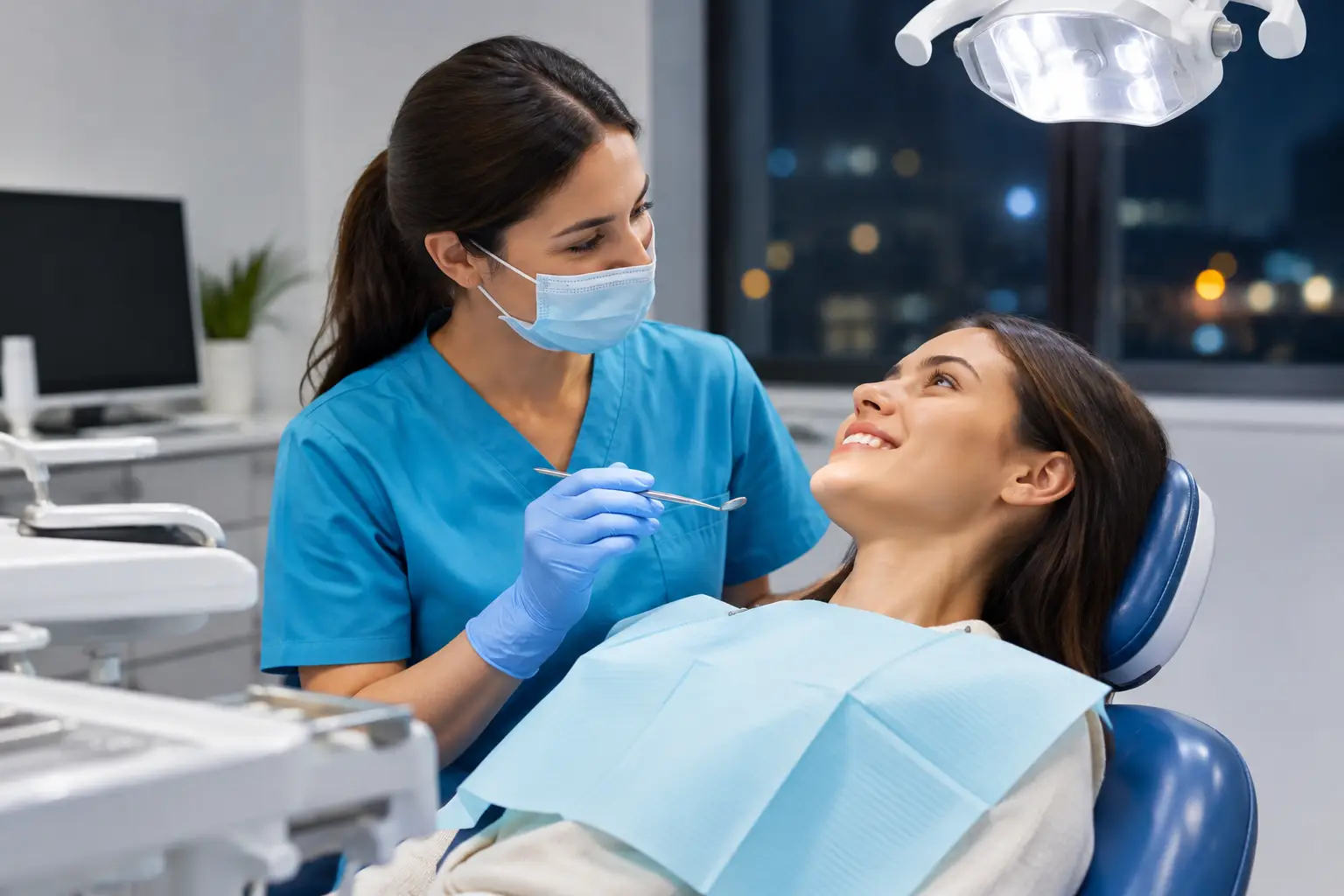
A comfortable appointment begins with listening. Your dental team should ask about your symptoms, health history, and treatment goals before recommending care. Depending on the concern, the visit may include an exam, digital X-rays, photos, and tests to identify the source of pain or damage.
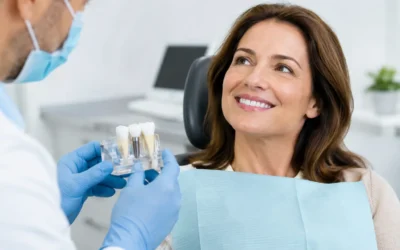
Treatment can range from smoothing a sharp edge or replacing a lost filling to managing an infection, repairing a fractured tooth, or discussing root canal treatment. If a tooth cannot be saved, extraction may be the healthiest option, followed by a conversation about replacement choices such as a dental implant, bridge, or other restorative solution.
There is no one-size-fits-all answer. A small crack may be restored with bonding or a crown, while a deeper fracture may require more involved care. A toothache may come from decay, gum disease, a damaged restoration, grinding, or a neighboring tooth. The right treatment should be based on a precise diagnosis, not guesswork.
For patients who feel anxious about dental care, comfort should be part of the plan. A gentle touch, clear explanations, modern technology, and appropriate comfort options can make a difficult day feel much more manageable. You should always feel comfortable asking what treatment is recommended, why it is needed, what alternatives exist, and what to expect afterward.
How to Choose a Late-Open Dental Office
Convenience matters, but so does continuity of care. A dentist open late should be able to do more than provide a temporary fix when possible. Look for an office that offers comprehensive services, so your emergency evaluation, restorative care, cosmetic needs, and preventive visits can be coordinated in one familiar place.
When you call, pay attention to how the office responds. Are they asking thoughtful questions? Do they explain whether you should come in, monitor symptoms, or seek emergency medical care? A patient-centered practice will be honest about what can be handled that evening and what may require a scheduled follow-up.
It also helps to ask about payment options, insurance support, and what to bring to your appointment. Bring a photo ID, insurance information if applicable, a list of medications, and any details about prior dental work that may relate to the problem. If you have images from an injury or a restoration that came loose, those can be helpful as well.
Make Room for Prevention, Too
The ideal late dental visit is often the one you never need. Routine cleanings and exams give your dentist the chance to find small cavities, early gum inflammation, worn restorations, and signs of grinding before they turn into an evening emergency. Preventive care also creates a baseline, making it easier to identify what has changed when discomfort does arise.
At West Hollywood Smile Dental, patients can receive preventive, restorative, cosmetic, and emergency-oriented care in one welcoming office. That continuity means your dental team can understand your smile goals, your health history, and the treatments that will best support you over time.
If something feels wrong, trust that instinct. Call for guidance, protect the affected area, and get the care you need. A timely visit can bring relief tonight and help protect the healthy, confident smile you deserve tomorrow.