
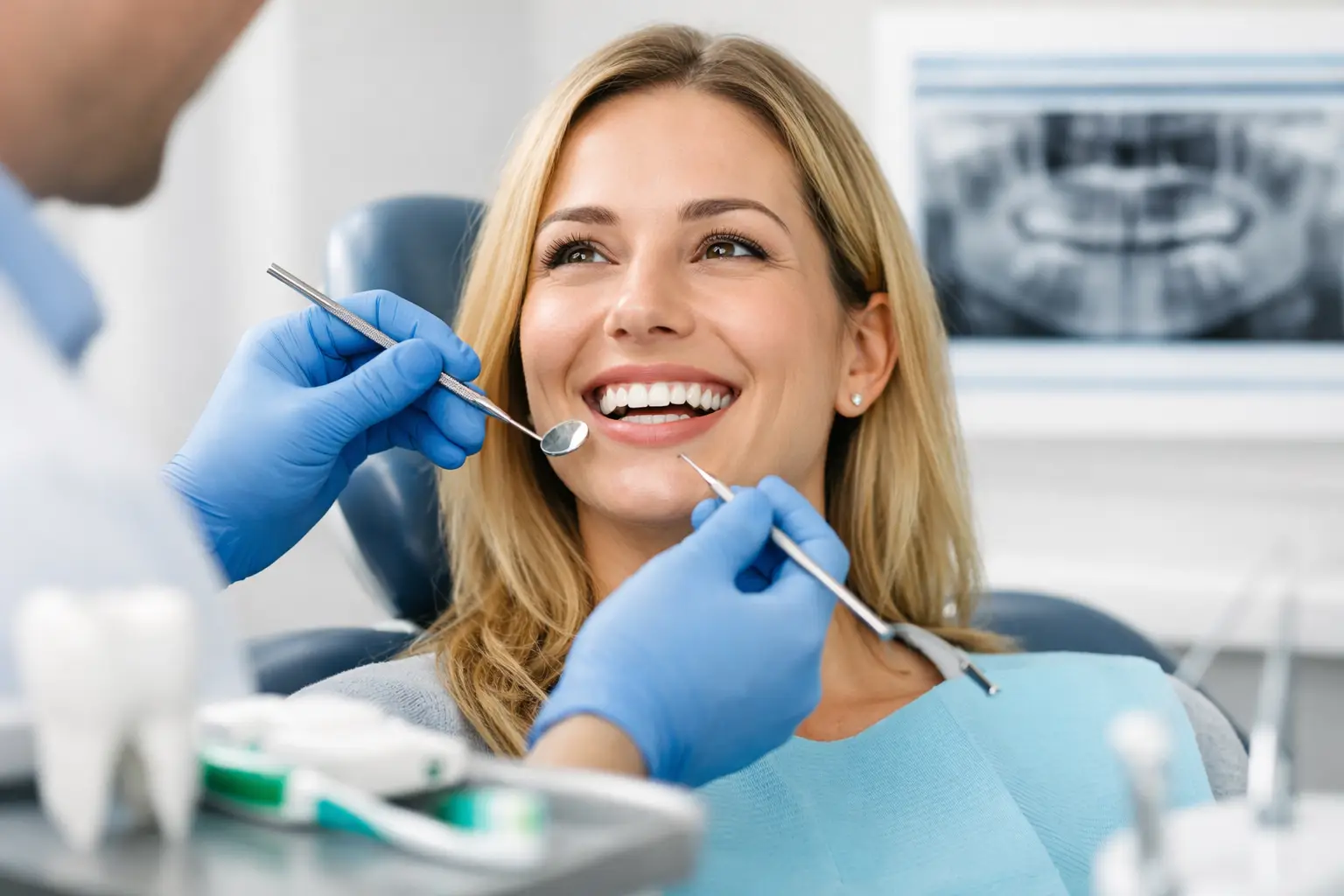
A tooth can feel perfectly fine while a small cavity develops beneath the surface, gum inflammation progresses quietly, or an older filling begins to leak. That is why preventive dentistry benefits go far beyond leaving an appointment with a freshly cleaned feeling. Regular care gives your dental team the chance to find small changes early, protect the work you already have, and help you avoid treatment that is more extensive, costly, or disruptive later.
For busy adults and families, prevention is also about peace of mind. You should not have to wait for pain to tell you something is wrong. With personalized exams, professional cleanings, and a team that understands your history, you can make thoughtful decisions about your smile before a minor concern becomes an urgent one.
Why preventive dentistry benefits matter
Most dental problems do not begin as emergencies. Tooth decay starts when plaque bacteria produce acids that weaken enamel. Gum disease often begins with bleeding or tenderness that can be easy to dismiss. Grinding may slowly wear down teeth or strain the jaw long before it causes a cracked tooth. Early changes are often painless, which is exactly what makes routine visits so valuable.
During a preventive visit, your dentist can evaluate your teeth, gums, bite, restorations, and oral tissues. Digital X-rays, when clinically appropriate, can reveal concerns between teeth or below the gumline that cannot be seen during a visual exam alone. A hygienist can remove hardened tartar that brushing and flossing cannot remove at home. Together, these steps create a more complete picture of your oral health.
This is not a one-size-fits-all process. Many patients do well with cleanings and exams every six months, while someone with gum disease, frequent cavities, dry mouth, diabetes, extensive dental work, or a history of smoking may need more frequent care. The right interval depends on your individual risk factors, not a generic calendar reminder.
The most meaningful preventive dentistry benefits
Fewer surprises and less urgent treatment
A small cavity may need a simple filling. Left untreated, it can reach the tooth’s nerve and lead to pain, infection, a root canal, or even tooth loss. Similarly, identifying a worn crown, cracked filling, or early gum infection can make treatment more manageable. Preventive care cannot eliminate every dental emergency, but it can reduce the chance that an unnoticed issue turns into a weekend problem.
This matters when your schedule is already full. A short, planned visit is generally easier to arrange than treatment for a severe toothache. It also gives you more time to understand your options and choose a treatment plan without making decisions under pressure.
Healthier gums and stronger teeth
Professional cleanings address plaque and tartar buildup around the gumline, where brushing can be less effective. Healthy gums provide the foundation for healthy teeth. When gum inflammation is ignored, it can advance into periodontal disease, which may lead to receding gums, bone loss, loose teeth, and changes in the way your bite feels.
At home, good brushing and cleaning between teeth are still essential. Yet even dedicated brushers benefit from professional assessments because technique, diet, medications, and natural oral bacteria all affect cavity and gum disease risk. Your dental team may recommend fluoride, a prescription toothpaste, a night guard, periodontal maintenance, or targeted guidance that fits what they see in your mouth.
Protection for cosmetic and restorative work
If you have veneers, dental implants, crowns, bonding, bridges, or whitening goals, prevention helps protect your investment. Natural teeth and restorations both need ongoing care. Plaque can collect around crown margins, gums around implants can become inflamed, and grinding can damage veneers or bonding over time.
Routine visits help preserve a natural-looking smile by checking for wear, staining, bite changes, and early gum concerns. For image-conscious patients, this proactive approach is often more appealing than waiting until a visible problem interrupts your confidence. A preventive appointment can also be a good time to discuss safe whitening or other aesthetic options when you are ready.
Better long-term value
The financial benefit of prevention is not a promise that every future procedure can be avoided. Some dental conditions develop despite excellent care, and teeth with older restorations may eventually need additional treatment. Still, treating an issue early is often simpler than treating the same issue after it has progressed.
Preventive appointments also help you plan. When a dentist identifies a concern before it becomes painful, you can discuss timing, insurance or membership plan options, and the most conservative appropriate solution. That clarity can make dental care feel more manageable, especially for families balancing several health priorities.
A clearer connection between oral health and overall comfort
Your mouth affects daily life in practical ways. Sensitive teeth can change what you eat. Gum bleeding can make you reluctant to smile. Jaw pain or clenching can interfere with sleep, concentration, and comfort. Preventive exams give your dentist an opportunity to ask about these details, not just look for cavities.
A dental team may also notice signs of dry mouth, acid erosion, oral cancer concerns, or nighttime grinding. These findings do not always lead to major treatment, but they can lead to useful changes in habits, protective appliances, or follow-up care. The goal is to keep your mouth comfortable and functional, not simply react when something hurts.
What a comfortable preventive visit can include
A thoughtful preventive appointment should feel organized, personal, and unhurried enough for your questions. Depending on your needs, it may include a review of your health history and medications, a gentle cleaning, gum measurements, an exam, oral cancer screening, and diagnostic imaging when needed. Your dentist may check how your teeth come together, assess existing restorations, and discuss any symptoms such as sensitivity, headaches, bleeding gums, or clicking in the jaw.
For patients who feel anxious about dental visits, consistency makes a real difference. Seeing a familiar team allows trust to build over time. You can share what makes you nervous, whether that is sensitivity during cleanings, a difficult past experience, or concern about cost. A caring office can adjust its approach, explain each step clearly, and help you feel more in control.
At West Hollywood Smile Dental, preventive care can also create continuity if you later need cosmetic, restorative, or emergency treatment. Having records, X-rays, and a team that already knows your goals can make the next step easier when specialized care is necessary.
How to get more from each appointment
The most useful preventive visits are a partnership. Mention changes, even if they seem minor: a tooth that feels different when you bite, new sensitivity to cold, persistent bad breath, gums that bleed, or a night guard you no longer wear. These details can guide a more accurate evaluation.
Between visits, use a soft-bristled toothbrush twice daily with fluoride toothpaste and clean between your teeth once a day. Limit frequent sipping on sugary or acidic drinks, especially when you cannot brush afterward. If you clench or grind, wearing a dentist-recommended night guard consistently may protect your teeth far better than waiting for chips or soreness to appear.
If it has been longer than you intended since your last checkup, there is no reason to feel embarrassed. Scheduling a preventive visit is simply a practical next step toward protecting your comfort, health, and smile. A gentle exam today may be the reason you avoid a much bigger dental interruption tomorrow.

A Guide to Oral Sedation Dentistry for Calm Care