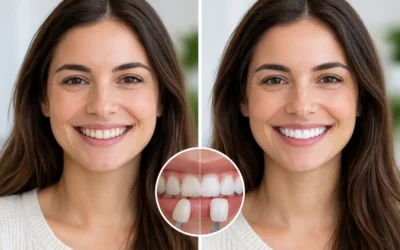

A smile can look fine in photos while feeling exhausting in daily life. A full mouth rehabilitation patient example helps show what this treatment can address when worn teeth, missing teeth, old dental work, and bite discomfort begin affecting how someone eats, speaks, or smiles.
The following is a representative example, not a description of one individual patient. Every mouth, medical history, budget, and treatment timeline is different. The purpose is to make a complex treatment feel more understandable and to show why a carefully sequenced plan matters.
A Full Mouth Rehabilitation Patient Example
Consider a patient in their early 50s who had avoided major dental treatment for years. They brushed regularly and came in for cleanings when possible, but a history of teeth grinding, several older fillings and crowns, and two missing back teeth had gradually changed their oral health.
Their main concern was not simply appearance. They had started chewing mostly on one side because the other side felt tender. Their front teeth looked shorter and uneven. A crown occasionally felt loose, and morning jaw soreness had become common. They also felt self-conscious about smiling in professional settings around West Hollywood and Los Angeles.
During the exam, the dental team found multiple concerns working together: cracked and worn teeth, failing restorations, bite imbalance, gum inflammation, and missing molars that were allowing nearby teeth to shift. No single filling or crown would solve the larger issue. The patient needed a plan that restored health, function, and appearance as a connected whole.
The first step: understanding the cause
Full mouth rehabilitation begins with diagnosis, not a quick cosmetic fix. The dentist reviewed digital X-rays, photographs, gum health, the condition of existing restorations, and how the upper and lower teeth met when the patient bit down. A scan or impressions may also be used to study tooth position and plan the final shape of the smile.
In this example, grinding and an uneven bite were accelerating the damage. Replacing only the most visibly broken tooth could have left the underlying bite problem in place, putting new dental work at risk. Identifying that cause allowed the treatment team to plan for results designed to last.
The patient also discussed health history, goals, timing, and comfort needs. Some patients want the most conservative path possible. Others prioritize completing treatment efficiently before a wedding, career change, or major life event. Honest conversations about priorities help determine which options make sense.
Building a personalized treatment plan
The plan was completed in stages so the patient could regain comfort while protecting their long-term oral health. First, the team addressed active concerns, including deep cleaning where needed, treatment for decay, and removal or repair of teeth that could not support a lasting restoration.
One damaged tooth required root canal treatment before receiving a crown. Several old fillings were replaced. The patient’s gum health was stabilized before the final restorations were placed, because healthy gums are the foundation for a healthy-looking smile.
The missing molars created an important decision point. A bridge could replace a gap in certain situations, but dental implants were recommended in this case because they could restore chewing support without relying on the neighboring teeth. After healing, the implants would receive custom crowns designed to blend naturally with the patient’s other teeth.
At the same time, the dentist used a trial smile design to evaluate the proposed tooth length, shape, and bite. This planning phase is especially valuable for patients with heavily worn teeth. It allows the team to test how the new teeth may look and function before committing to final porcelain restorations.
Restoring the bite before perfecting the smile
The final restorative phase included a combination of crowns and conservative porcelain restorations on teeth that had been weakened or visibly worn. The goal was not to make every tooth look identical. It was to create a balanced, natural-looking smile with enough strength for everyday chewing.
Bite adjustments were made carefully throughout treatment. This is one reason full mouth rehabilitation is different from placing several crowns at once. The bite must be stable enough that the teeth, jaw joints, and chewing muscles can work comfortably together.
For this patient, treatment was spread over several appointments and included temporary restorations before the final ones. Temporaries are not just placeholders. They give the patient a chance to experience changes in tooth position, speech, and bite comfort. If something feels off, the dentist can make adjustments before the final restorations are made.
The trade-off is time and planning. Comprehensive rehabilitation is rarely a one-visit procedure, and healing time may be necessary after gum treatment, root canal therapy, extraction, or implant placement. However, a staged approach can prevent rushed decisions and help protect the investment in the final result.
What changed for the patient?
Once treatment was complete, the patient could chew on both sides again without avoiding certain foods. Their jaw soreness became less frequent, and the final smile looked brighter, more even, and more proportionate to their face. Just as meaningful, they no longer worried that an old crown would break during a meal or conversation.
The visible result was a confident smile. The functional result was better chewing support and a more stable bite. Both outcomes matter. Cosmetic improvement without comfortable function can be disappointing, while strong restorations that ignore smile balance may not meet a patient’s personal goals.
A night guard was recommended to protect the new restorations from continued grinding. The patient also committed to routine exams and cleanings. Full mouth rehabilitation is not a finish line where oral care stops. It is a renewed foundation that needs consistent maintenance.
Is full mouth rehabilitation right for you?
A person does not need to have every tooth damaged to benefit from comprehensive rehabilitation. It may be considered when several dental issues affect one another, such as widespread wear, many failing crowns or fillings, missing teeth, broken teeth, bite changes, or long-term jaw discomfort related to how the teeth come together.
That said, it is not automatically the right answer for every smile concern. If only one or two teeth need attention, targeted restorative care may be more appropriate. Some patients may benefit from periodontal treatment or orthodontics before restorative work. Others may choose to phase treatment based on finances, health needs, or personal timing.
At West Hollywood Smile Dental, a comprehensive evaluation can clarify the condition of your teeth, gums, bite, and existing dental work in one setting. Your treatment should be built around what you need, what feels comfortable, and what supports your long-term health – never a one-size-fits-all plan.
If eating has become difficult, old dental work keeps failing, or you no longer recognize your smile, the next helpful step is simply a thorough conversation and exam. A thoughtful plan can turn years of patchwork repairs into care that feels stable, comfortable, and truly your own.