
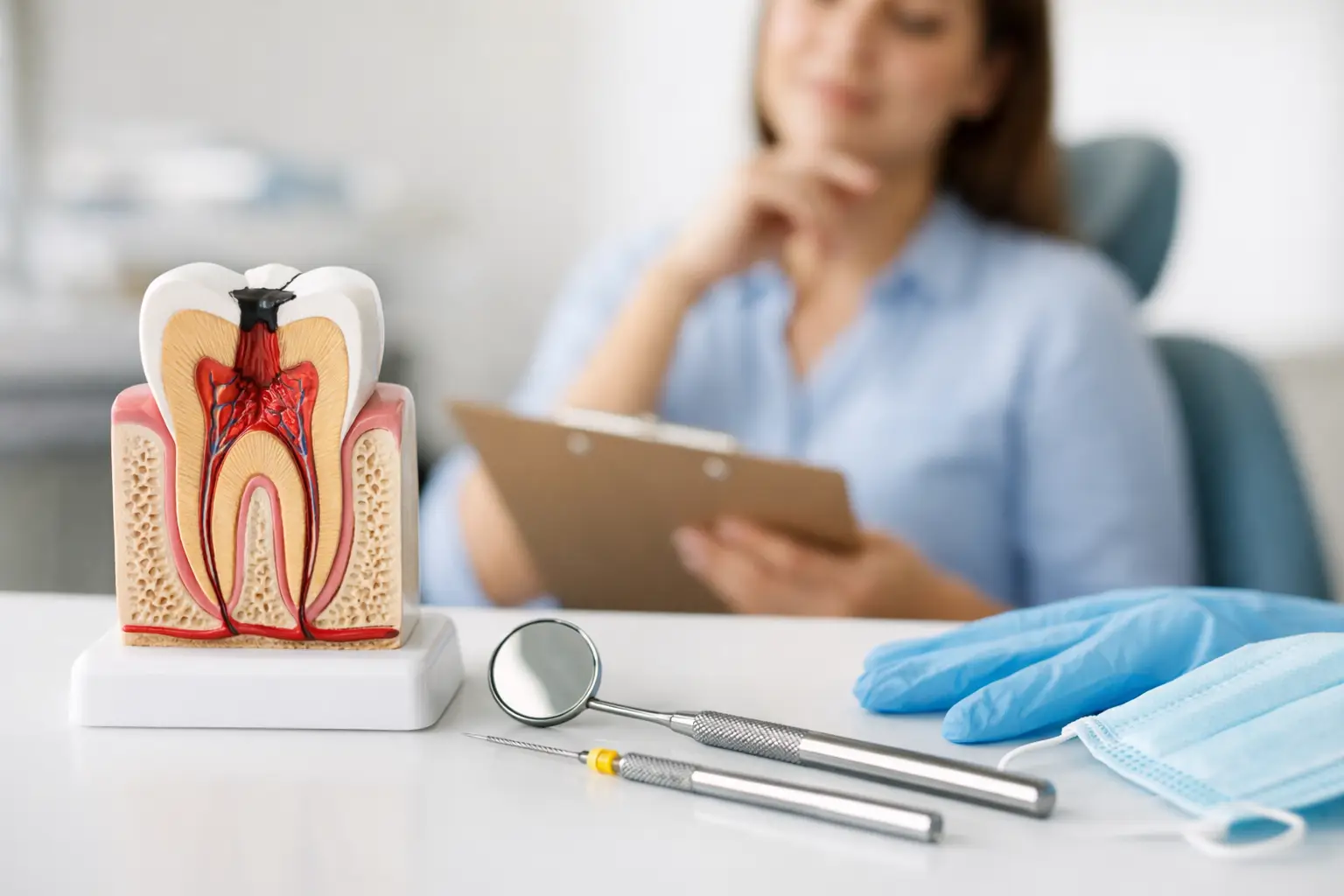
A root canal is often recommended when a tooth has a deep infection, significant decay, or inflammation inside the pulp. If you are wondering how to prepare for root canal treatment, the most helpful first step is knowing that modern care is designed to relieve pain, not create more of it. With the right planning and a caring dental team, your appointment can feel far more manageable than you may expect.
Understand What Your Root Canal Is Treating
The center of every tooth contains soft tissue called pulp, which includes nerves and blood vessels. When the pulp becomes infected or severely irritated, it cannot heal on its own. A root canal removes the damaged tissue, cleans and disinfects the inside of the tooth, and seals it to help preserve your natural tooth.
This treatment may be recommended after persistent tooth pain, sensitivity that lingers after hot or cold foods, swelling, a dental abscess, or a deep cavity. Sometimes, a tooth needs root canal treatment even without obvious pain. X-rays and an exam allow your dentist to see what is happening beneath the surface and recommend care based on the condition of your tooth.
Knowing the purpose of treatment can ease a common worry: the goal is to stop infection, protect your oral health, and help you keep your tooth functioning comfortably.
Ask Questions Before the Appointment
A short conversation with your dental office before treatment can replace uncertainty with a clear plan. Ask how long your appointment is expected to take, whether treatment will be completed in one visit or more, and whether a temporary filling or crown will be placed afterward.
It is also wise to discuss any health conditions, allergies, previous reactions to local anesthetic, and all prescription or over-the-counter medications you take. This includes blood thinners, diabetes medications, supplements, and medications for anxiety. Do not stop or adjust a prescribed medication without directions from the clinician who manages it.
If you have had a difficult dental experience in the past, say so. A patient-centered office can discuss comfort options, explain each stage of treatment, and make reasonable adjustments to help you feel more at ease. For some patients, local anesthetic is all that is needed. Others may benefit from oral sedation when appropriate, which requires additional preparation and a responsible adult to drive them home.
Eat a Comfortable Meal Ahead of Time
Unless your dentist gives you specific fasting instructions, have a balanced meal before your appointment. Numbness after a root canal can make eating inconvenient for several hours, especially if the treated tooth is in the back of the mouth.
Choose something nourishing that is not overly hard or difficult to chew. Eggs, yogurt, oatmeal, a smoothie, rice, or other soft foods can be good options. Avoid arriving on an empty stomach if that tends to make you lightheaded or anxious.
If you are receiving oral sedation, follow the office’s instructions exactly. Depending on the medication and your health history, you may be asked to avoid food or drink for a certain period before treatment. In that case, the personalized instructions from your dental team take priority over general advice.
Plan Your Medications Carefully
Your dentist may recommend an over-the-counter anti-inflammatory pain reliever before or after treatment, but only take medication as directed and only if it is safe for you. Some people should avoid certain pain relievers because of allergies, kidney disease, stomach ulcers, blood-thinning medication, pregnancy, or other medical considerations.
Antibiotics are not needed for every root canal. When there is spreading infection, swelling, or another specific indication, your dentist may prescribe them. If antibiotics are prescribed, take them exactly as instructed and complete the course unless your prescriber tells you otherwise. They support treatment in selected situations, but they do not replace cleaning the infection from inside the tooth.
Bring an updated medication list to the appointment if you are unsure what the office already has on file. Clear information helps your care team make the safest decisions for you.
Arrange a Ride If Sedation Is Part of Your Care
For a routine root canal performed with local anesthetic, many patients can drive themselves home and return to normal activities afterward. Your mouth may remain numb for a few hours, but you should be alert.
If you choose oral sedation or receive any medication that affects alertness, arrange transportation in advance. You will need a trusted adult to bring you to the appointment, take you home, and stay available as directed. Plan to take the rest of the day off from driving, work responsibilities that require concentration, alcohol, and important decisions.
Even without sedation, some patients prefer to have a ride after treatment, particularly if they have been dealing with significant pain or anxiety. It is a simple way to give yourself more space to rest.
Wear Comfortable Clothing and Arrive a Little Early
You do not need special clothing for a root canal, but comfort matters. Wear loose, comfortable layers, since dental offices can feel cool and you may be seated for a while. Avoid scheduling a rushed arrival between demanding meetings when possible.
Arriving 10 to 15 minutes early gives you time to complete paperwork, review your health history, use the restroom, and settle in. If you wear earbuds, ask whether you may listen to calming music during treatment. Small details can help create a calmer experience.
For patients who feel nervous, simple breathing can help. Try a slow inhale through your nose, then a longer exhale. Let the dental team know if you need a brief pause during care. Gentle, clear communication is part of personalized treatment.
Prepare Your Home for a Low-Stress Recovery
Most people experience mild tenderness after a root canal, particularly when biting or chewing, because the tissues around the tooth may be inflamed. This often improves over the next few days. Preparing a few soft foods ahead of time means you will not need to make a grocery run while your mouth is numb.
Consider having soups that are warm rather than very hot, scrambled eggs, mashed potatoes, pasta, yogurt, applesauce, bananas, and smoothies available. Avoid chewing hard foods, sticky candy, ice, nuts, or crunchy chips on the treated side until your dentist says the tooth is fully restored.
If your root canal is completed with a temporary filling or crown, protect it. A temporary restoration is not meant to handle the same force as a final crown. Follow-up care matters because a tooth that has had root canal treatment may need a permanent crown or restoration to reduce the risk of fracture, especially for a back tooth.
Know What Is Normal and When to Call
Some sensitivity and tenderness are normal after treatment, and your dentist will tell you which pain-relief options are suitable. The tooth may feel slightly different when you bite for a short time. Continue brushing and flossing gently, unless your dentist provides different instructions.
Call your dental office if pain becomes severe, swelling develops or worsens, you have a fever, your bite feels uneven, or your temporary filling comes out. These concerns do not always mean something serious is wrong, but timely guidance can protect your comfort and your treatment result.
A root canal should not be postponed when a dentist has identified infection or significant pulp damage. Dental infections can worsen, and early treatment is usually more comfortable and more predictable than waiting for an emergency.
Make Space for Your Comfort
Preparing for a root canal is less about doing everything perfectly and more about giving yourself practical support: a good meal when allowed, accurate medication information, a plan for transportation if sedation is used, and time to rest afterward. At West Hollywood Smile Dental, patients can expect clear answers, a gentle touch, and personalized care focused on helping them protect their natural smile with confidence.
If a tooth is causing pain or you have been told you may need root canal treatment, reaching out promptly can turn a stressful unknown into a clear, comfortable next step.