
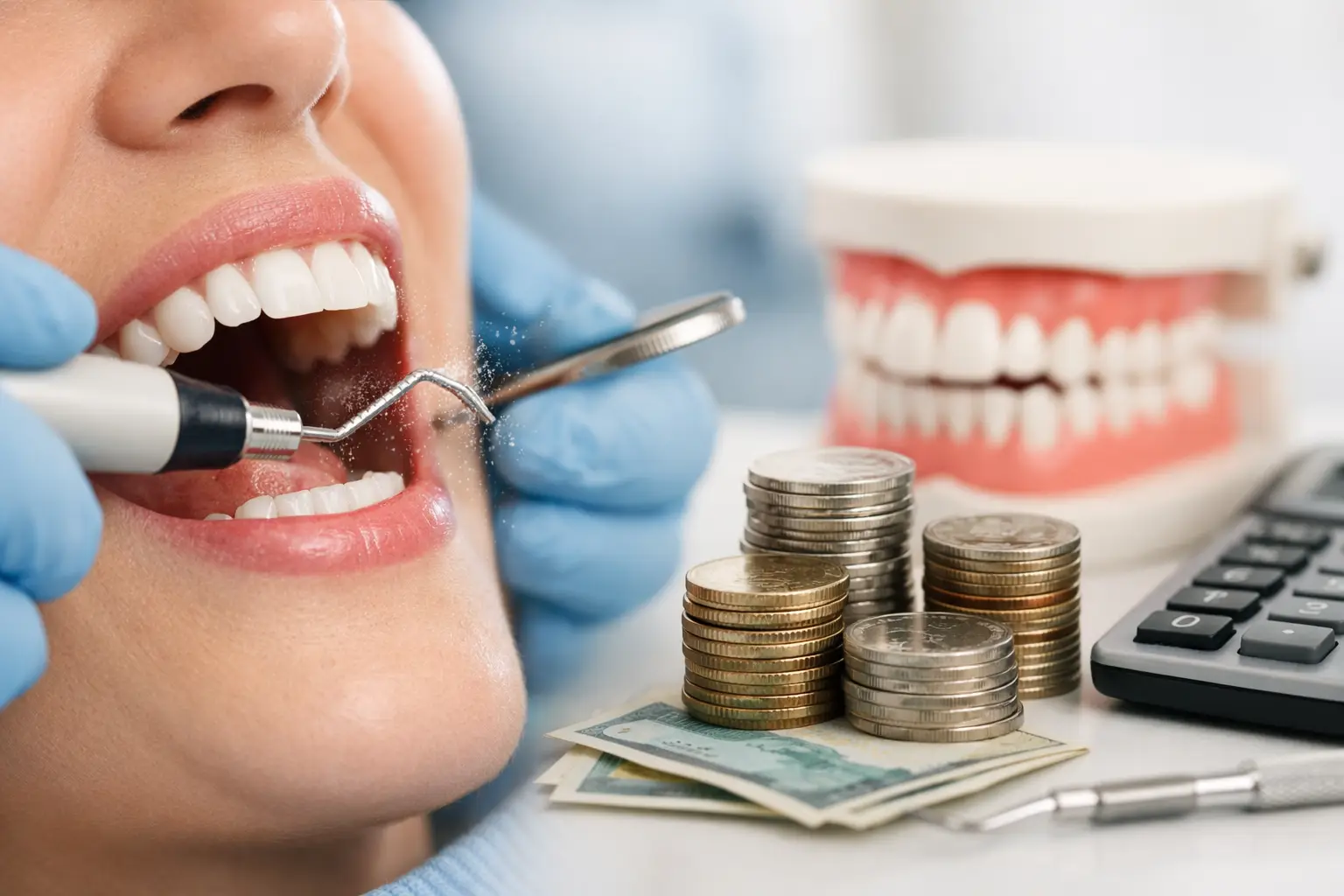
A routine cleaning is usually easy to plan for. A deep cleaning is different because the right treatment depends on what is happening below your gumline. If you have been told you need one, understanding deep cleaning teeth cost can help you make a confident decision without feeling surprised by the estimate.
Deep cleaning is often recommended when plaque and tartar have collected beneath the gums and created periodontal pockets. This is not a judgment about your brushing habits. Gum disease can progress quietly, and factors such as genetics, smoking, certain medications, medical conditions, and missed dental visits can all play a role. The goal is to remove harmful buildup, help calm inflammation, and protect the bone and tissues that support your teeth.
What Is Included in a Deep Cleaning?
The clinical name for a deep cleaning is scaling and root planing. Scaling removes plaque and hardened tartar from the tooth surfaces above and below the gumline. Root planing smooths the root surfaces, making it harder for bacteria to attach and giving the gums a better chance to heal.
Unlike a standard prophylaxis cleaning, this treatment is commonly divided into sections of the mouth called quadrants. A quadrant is one-fourth of your mouth. Treating one or two quadrants at a time can make the visit more comfortable, particularly when local anesthetic is used.
Before treatment, your dentist evaluates your gums, measures pocket depths, reviews X-rays when needed, and determines where disease is present. That assessment matters. A patient with a few isolated deeper pockets may need a more limited treatment than someone with active periodontal disease throughout the mouth.
Deep Cleaning Teeth Cost: Typical Price Factors
There is no single price that applies to every patient. In the Los Angeles area, deep cleaning may range from a few hundred dollars for limited treatment to well over $1,000 for full-mouth scaling and root planing. A more involved case, additional periodontal services, or treatment without insurance can raise the total.
The most accurate number comes from an in-person exam and a written treatment estimate. Your care should be based on the condition of your gums, not a one-size-fits-all package. Four factors have the greatest effect on what you pay:
- How many quadrants need care: Fees are often quoted per quadrant. Treating all four areas costs more than treating one localized area.
- The severity of gum disease: Deeper pockets, heavy tartar buildup, bleeding, and bone loss can require more time and detailed care.
- Diagnostics and related services: A periodontal exam, X-rays, localized antimicrobial treatment, or follow-up periodontal maintenance may be recommended separately.
- Your insurance benefits: Coverage, deductible, annual maximum, waiting periods, and whether the office is in-network can all change your out-of-pocket responsibility.
Location can influence pricing as well. West Hollywood and Beverly Hills practices may have different overhead, technology, and care models than offices in other parts of the country. Still, the lowest initial quote is not always the best value if it leaves out needed diagnostics, numbing, follow-up, or the time required to treat the disease properly.
Why a Routine Cleaning Cannot Replace It
A routine cleaning focuses on plaque and tartar at and slightly below the gumline in a healthy or stable mouth. It does not address significant buildup deep inside periodontal pockets. Attempting to treat active gum disease with only a routine cleaning can allow infection and inflammation to continue.
This distinction can be frustrating when you expected a standard cleaning. But an honest recommendation protects your health. Untreated periodontal disease may lead to persistent bad breath, bleeding gums, gum recession, bone loss, loose teeth, and eventually tooth loss. Early treatment is generally simpler and less costly than waiting until more extensive periodontal or restorative care is needed.
What Insurance May Cover
Many dental plans cover scaling and root planing at a percentage after your deductible, often as a periodontal or major preventive benefit. Coverage varies widely. Some plans pay a portion of the allowed fee, while others limit how often each quadrant can be treated or require documentation of periodontal pocket depths and X-rays.
Insurance is a benefit, not a treatment plan. Your dentist should recommend care based on your clinical needs, then help you understand how your available benefits apply. Before scheduling, ask for a breakdown that shows the treatment codes, insurance estimate, deductible, and expected patient portion. Keep in mind that an insurance estimate is not a guarantee of payment until the claim is processed.
If you do not have dental insurance, ask whether the office offers a membership plan, payment options, or phased treatment when clinically appropriate. Cost should never be a reason to avoid discussing gum health. A caring dental team can explain priorities and help you understand the practical choices available.
How to Read a Deep Cleaning Estimate
A clear estimate should tell you whether the fee is for one, two, three, or four quadrants. It should also identify what is included, such as local anesthetic, periodontal charting, X-rays, and the recommended re-evaluation visit. If anything is unclear, asking questions is part of being an informed patient.
You may also want to ask whether periodontal maintenance will be needed afterward. Many patients who have had gum disease benefit from more frequent cleanings, often every three or four months, rather than the usual twice-yearly schedule. This maintenance is separate from the initial deep cleaning, but it is one of the best ways to protect the progress you have made.
Be wary of a quote that is dramatically lower than others without an exam. Deep cleaning is a precise procedure, not simply a longer version of a regular cleaning. Proper care includes assessing the disease, thoroughly treating the affected areas, and monitoring how your gums respond.
Comfort During and After Treatment
For many patients, concern about discomfort is just as real as concern about cost. Deep cleaning is commonly performed with local anesthetic so the treatment area is numb. If dental anxiety has kept you from seeking care, share that before the appointment. Comfort options and a gentle, personalized approach can make a meaningful difference.
Afterward, mild tenderness, sensitivity, or slight bleeding can occur for a few days. Your dental team may recommend a soft toothbrush, gentle brushing along the gumline, flossing or other interdental cleaning, and any prescribed rinses. Sensitivity usually improves as the gums heal, though exposed root surfaces can remain sensitive in some cases.
Is a Deep Cleaning Worth the Cost?
When scaling and root planing is genuinely indicated, it is an investment in keeping your natural teeth and supporting long-term oral health. It can reduce bacteria and inflammation, improve gum health, and create a foundation for future dental treatment. Cosmetic dentistry, crowns, implants, and even routine maintenance all benefit from healthy gums.
The right question is not only, “What does it cost today?” It is also, “What does delaying care risk?” A thorough exam gives you a clear answer based on your own mouth, your insurance, and your goals. With a detailed estimate and compassionate guidance, you can move forward at a pace that supports both your health and your peace of mind.
How to Prepare for Root Canal Treatment Safely