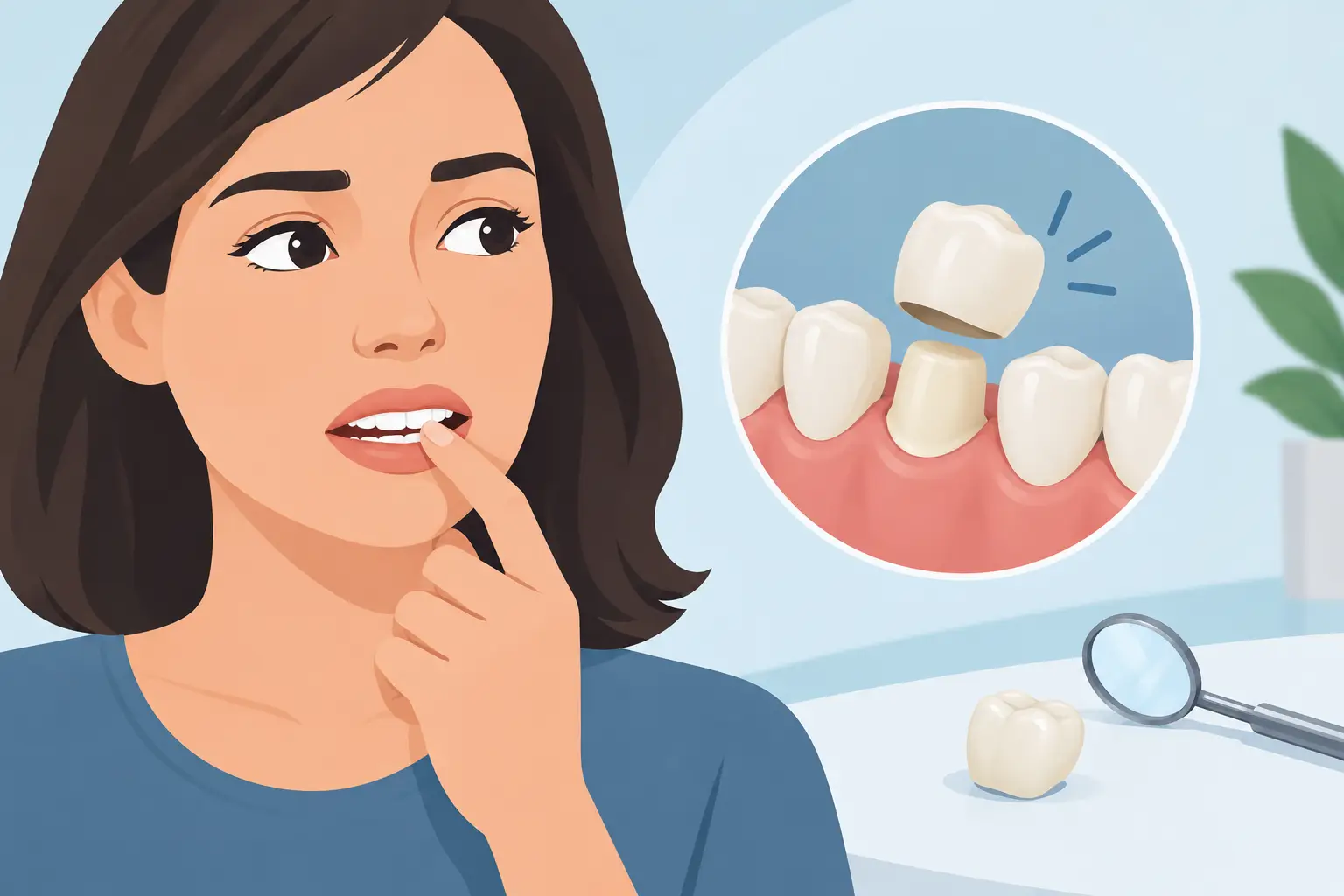
A crown should feel like part of your natural tooth. If you are asking, “why does my crown feel loose,” you may notice a small shift when you bite, a click while chewing, or the unsettling sense that the crown could come off. That feeling deserves prompt attention, but it does not automatically mean the tooth underneath is beyond saving. A dentist needs to determine whether the crown, the cement, the supporting tooth, or an implant component is moving.
Why Does My Crown Feel Loose?
Dental crowns are custom covers placed over damaged, heavily restored, or treated teeth to restore their shape and function. They are designed to stay securely attached, but the bond between a crown and tooth can change over time. The underlying tooth can also change in ways that make a once-stable crown feel different.
Sometimes the sensation is not a loose crown at all. Food caught near the gumline, an altered bite, or irritation in the surrounding gums can make a tooth feel unusual. On the other hand, movement you can clearly feel with your tongue or finger should be evaluated rather than watched for weeks.
The American Dental Association explains that crowns can be used to restore weakened or broken teeth and to protect teeth after certain treatments. Because a crown depends on the health and structure beneath it, an examination focuses on more than the visible restoration.
Cement may have weakened
Dental cement holds many crowns in place. It can wear down or lose its seal over time, allowing the crown to shift slightly. This may happen gradually, so a person may first notice it when eating or brushing. A loose crown caused mainly by cement may have a different treatment path than one affected by decay or a damaged tooth, which is why an exam matters.
Decay may have formed at the crown edge
A crown does not make the remaining natural tooth immune to cavities. Decay can develop where the crown meets the tooth, particularly if bacteria enter along a worn or open edge. As tooth structure breaks down, the crown may no longer fit tightly.
This can be difficult to see at home. There may be no pain early on, while other people notice sensitivity, a bad taste, or discomfort around the crown. Dental X-rays and a close examination can help identify concerns beneath or around the crown margin.
The tooth under the crown may be cracked or weakened
Teeth that need crowns have often already lost a significant amount of structure. Clenching, grinding, biting pressure, a hard impact, or a deep existing crack can compromise the tooth under the crown. In some cases, the crown remains intact but the supporting tooth cannot hold it as securely as before.
The outcome depends on the location and extent of the damage. A small issue may be repairable; a deep crack extending into the root can be more complicated. A dentist should avoid guessing based on the crown’s appearance alone.
Your bite may be placing extra pressure on it
A crown can be stable but feel tender or slightly “high” if it receives more biting force than nearby teeth. Jaw clenching and grinding can add repeated stress to crowns and natural teeth. You may notice jaw soreness, worn teeth, or a crown that feels different first thing in the morning.
Bite-related symptoms do not always mean the crown is loose. Still, checking how the teeth meet can be part of understanding why a crowned tooth feels uncomfortable or unstable.
The crown itself may be damaged
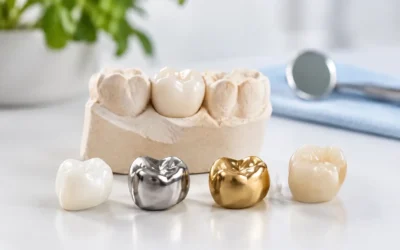
Porcelain, ceramic, metal, and other crown materials have different strengths and limitations. Crowns can chip, crack, or wear, especially under heavy forces. A fractured crown might feel rough, catch on floss, or change how your teeth close together. Even a subtle crack can affect the fit.
An implant crown requires a different evaluation
If your crown sits on a dental implant rather than a natural tooth, the movement may involve the crown, the connecting screw, or another part of the restoration. An implant-supported crown that feels loose should be assessed promptly. It is especially important to distinguish a loose restoration from movement of the implant itself, as those situations call for different care.
When a Loose Crown Needs Urgent Attention
Call a dentist promptly if the crown has shifted, come off, or is painful. A same-day clinical decision is especially helpful when there is swelling, fever, facial swelling, significant pain, bleeding that does not stop, trouble swallowing, or a traumatic injury to the face or mouth. These symptoms can point to infection or injury that should not wait.
A crown that is loose without pain is still worth scheduling soon. Waiting can allow bacteria and food debris to reach exposed tooth surfaces, and a crown that comes off unexpectedly can leave the tooth vulnerable. There is also a practical concern: a crown that is not stable may fracture or be lost.
Avoid trying to permanently reattach a crown yourself with household adhesives. Products not intended for the mouth can damage the restoration or complicate professional treatment. If the crown has come off, contact a dental office for individualized guidance on what to do before your visit.
What a Dentist Will Check
A visit for a loose-feeling crown is usually focused and diagnostic. Your dentist may ask when you first noticed the sensation, whether it moves during chewing, and whether you have sensitivity to temperature or pressure. Sharing whether you grind your teeth, had a recent injury, or noticed a change in your bite can also help.
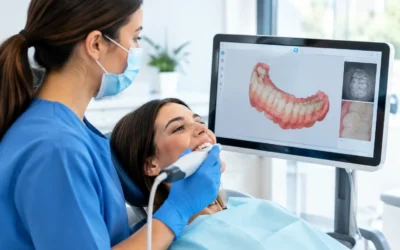
The clinical evaluation may include checking the crown’s fit, examining the gumline and nearby teeth, testing the tooth’s response, and evaluating the bite. X-rays may be recommended when the dentist needs to assess decay, root structure, or bone support that cannot be seen directly. The National Institute of Dental and Craniofacial Research notes that tooth decay can damage tooth structure and may progress without obvious symptoms, which is one reason an apparently minor crown issue merits a careful look.
The goal is not simply to make the crown feel tighter. It is to identify why it moved and determine whether the tooth or implant support remains healthy enough for a lasting restoration.
Possible Treatment Paths
Treatment depends on what the exam shows. If the crown and tooth are both in good condition, a dentist may be able to clean and recement the crown. This is not always appropriate, particularly if the fit has changed, decay is present, or the crown is cracked.
When decay or damaged tooth structure is found, the tooth may need restorative treatment before another crown can be considered. If the crown no longer fits accurately or has been damaged, replacement may be the more predictable option. A tooth with extensive fracture or infection may require additional treatment, and in some situations a different restoration plan is discussed.
For an implant crown, care may involve addressing the crown connection or evaluating the implant and surrounding tissues. The right option depends on the specific type of restoration and the condition of the tissues supporting it.
No online article can tell which path applies to your crown. A clear diagnosis helps you weigh the benefits, limitations, timing, and expected maintenance of each option without pressure.
Questions to Bring to Your Consultation
A crown appointment can feel less uncertain when you know what to ask. Consider asking whether the crown itself is loose or whether the supporting tooth has changed; whether there is decay, a crack, or gum concern; and whether the existing crown can safely be reused. You can also ask what may have contributed to the problem and whether your bite or grinding could be placing extra stress on the area.
For West Hollywood patients, West Hollywood Smile Dental can provide a personalized evaluation of a crown that feels loose and discuss appropriate restorative options based on the findings. Bring any details you have noticed, even if the symptom seems minor. A crown that begins to move is a useful signal to have the tooth and restoration checked before a small fit problem becomes a larger one.
Clinical references
American Dental Association, patient education on dental crowns and restorative dentistry.
National Institute of Dental and Craniofacial Research, information on tooth decay and oral health.
Mayo Clinic, patient guidance on dental abscess symptoms and when urgent evaluation may be needed.
A loose crown can be alarming, but it is also a clear reason to seek an exam. Prompt, calm attention gives you the best chance to understand what is happening beneath the crown and make a well-informed next decision.