How to Fix Chipped Tooth Damage Fast
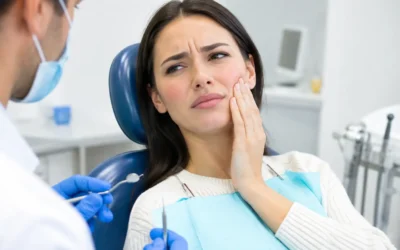
That sharp edge on your tooth tends to get your attention fast. Whether it happened while eating, during a workout, or from grinding your teeth at night, knowing how to fix chipped tooth damage starts with two priorities: protect the tooth now and get the right treatment before the damage gets worse.
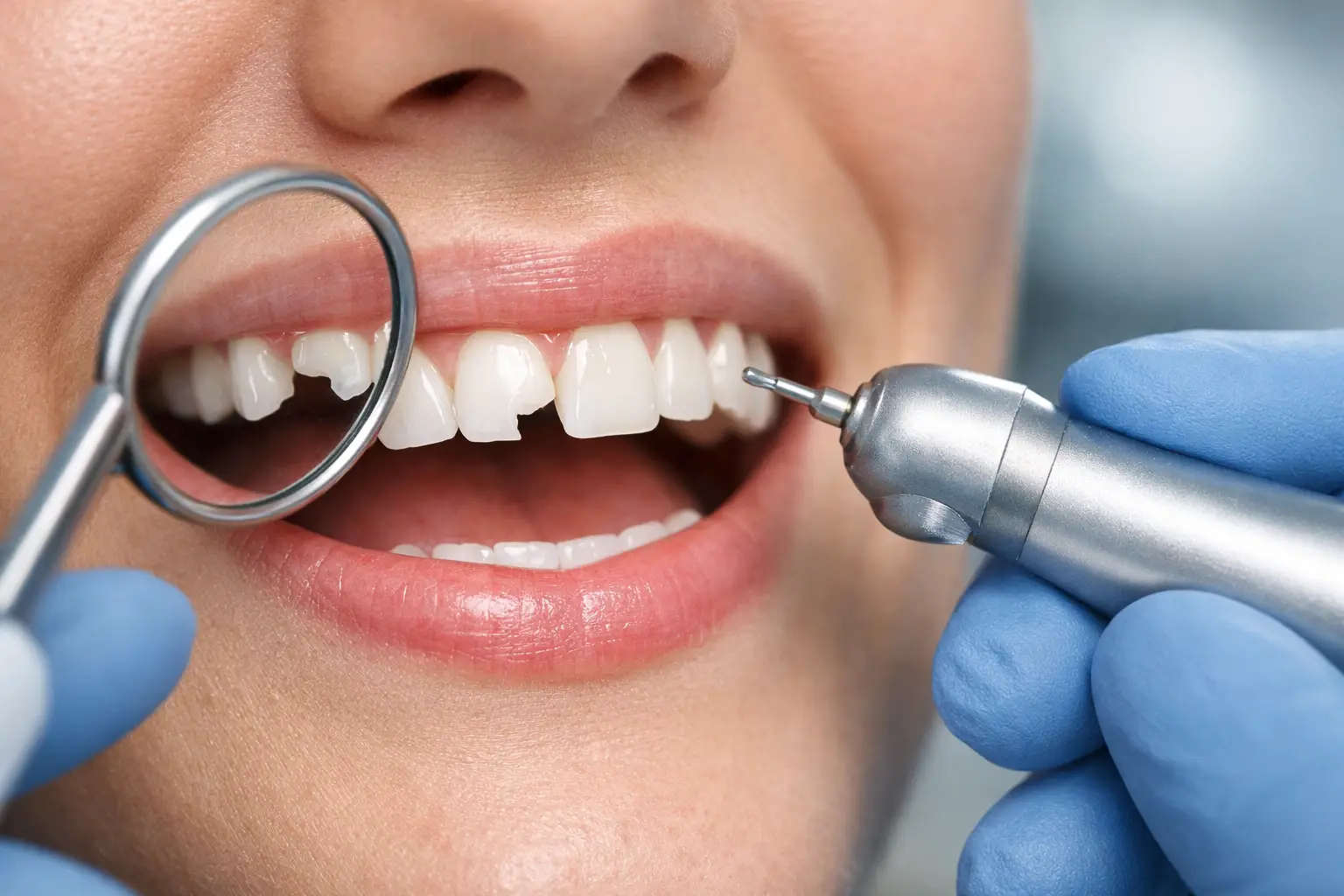
A chipped tooth is not always a dental emergency, but it should never be ignored. Some chips are small and mostly cosmetic. Others expose deeper layers of the tooth, trigger pain, or make chewing uncomfortable. The best next step depends on the size of the chip, where it is, and whether the nerve is involved.
How to fix chipped tooth at home before your appointment
Home care will not truly repair a chipped tooth, but it can help you stay comfortable and prevent additional damage until you are seen by a dentist. If you can find the broken piece, save it in a clean container. Sometimes it is not usable, but bringing it with you is still helpful.
Rinse your mouth gently with warm water to clear away any debris. If there is bleeding from the gum or lip, apply light pressure with clean gauze. A cold compress on the outside of your face can reduce swelling and help with soreness.
If the tooth has a rough or jagged edge, dental wax or sugar-free gum can cover it temporarily so it does not cut your tongue or cheek. Stick to soft foods and chew on the opposite side. Avoid very hot, very cold, crunchy, or sticky foods because they can aggravate sensitivity or worsen the break.
Over-the-counter pain relief may help if the area is sore, but severe pain is a sign that the tooth may be more deeply damaged. If the chip happened after a hard hit to the face, or if the tooth feels loose, do not wait it out.
When a chipped tooth needs prompt dental care
Some patients assume a small chip can wait until their next cleaning. Sometimes that is reasonable for a very minor surface flaw. Often, though, what looks small in the mirror is more significant under magnification or X-ray.
You should schedule a prompt dental visit if the tooth is sensitive to temperature, painful when you bite, visibly cracked, or has a missing section that changes the shape of the tooth. You should seek urgent care if pain is intense, swelling develops, bleeding does not stop, or the chip came from trauma.
Front teeth and back teeth also present different concerns. A chip on a front tooth is often about appearance and comfort, but a chip on a molar can affect chewing forces and may spread into a larger fracture if left untreated. That is one reason quick evaluation matters.
What a dentist looks for
Before recommending treatment, a dentist will check more than the missing piece. The real question is how far the damage goes. Enamel-only chips are simpler to repair. Once dentin is exposed, sensitivity is more likely. If the pulp is affected, treatment becomes more involved.
Your dentist may examine the bite, take X-rays, and test the tooth’s response. This helps rule out a deeper crack, root injury, or damage to neighboring teeth. It also helps determine whether the best solution should be cosmetic, protective, or restorative.
That careful diagnosis matters because the right fix should do more than make the tooth look better. It should restore function, protect the structure that remains, and feel natural in your bite.
How dentists fix a chipped tooth
There is no single answer to how to fix chipped tooth problems because treatment depends on the extent of the damage. The good news is that modern dentistry offers several effective options, and many are comfortable and completed quickly.
Dental bonding for small to moderate chips
Bonding is often the simplest treatment for a visible chip, especially on a front tooth. Tooth-colored composite resin is shaped directly onto the tooth, then hardened and polished to blend with your smile.
This option is popular because it is conservative, efficient, and usually does not require much removal of healthy tooth structure. It can work beautifully for minor to moderate chips, particularly when appearance is the main concern. The trade-off is durability. Bonding is strong, but it may not last as long as porcelain in areas under heavy pressure.
Veneers for cosmetic repair on front teeth
If the chip affects a front tooth and there are broader cosmetic goals involved, a veneer may be a better fit. Veneers are thin porcelain shells placed on the front surface of the tooth to improve shape, symmetry, and color.
This can be an excellent solution when a patient wants a more refined cosmetic result or when the tooth had existing wear or discoloration before the chip happened. Veneers are not the default answer for every chip, though. They are typically best for visible teeth and planned smile enhancement rather than sudden emergency repair for every situation.
Dental crowns for larger breaks
When a substantial part of the tooth is missing, a crown may be the most reliable option. A crown covers the entire visible portion of the tooth, helping protect it from further fracture while restoring strength and appearance.
Crowns are often recommended for molars or premolars that absorb strong biting forces. They can also be ideal if the chip is part of a larger pattern of wear, old fillings, or weakened enamel. This approach is more comprehensive than bonding, but it also involves more preparation of the tooth.
Filling material for small damaged areas
In some cases, especially when the chip affects a chewing surface or involves an existing cavity or old restoration, tooth-colored filling material may be used to rebuild the area. This is a practical option when the goal is to restore function and protect the tooth without over-treating it.
Root canal treatment if the nerve is involved
If the chip is deep enough to expose or inflame the pulp, pain may become persistent, throbbing, or triggered by hot and cold temperatures. In that case, the tooth may need root canal treatment before it can be restored with bonding or a crown.
Patients often worry when they hear that term, but the procedure is designed to relieve pain and save the tooth. If the nerve is damaged, delaying care usually leads to more discomfort, not less.
Can a chipped tooth heal on its own?
No. Enamel does not grow back, and a chipped tooth will not repair itself. Sometimes sensitivity fades, which can make it feel less urgent, but the structural problem remains. The edge may continue to wear, the crack can spread, or bacteria can reach deeper layers of the tooth.
That is why even a painless chip deserves attention. Early treatment is often simpler, more comfortable, and less expensive than waiting for a small problem to turn into a larger one.
What affects the best treatment choice
The best repair is not only about the size of the chip. Your bite, grinding habits, smile goals, and budget all matter. A small chip on a front tooth in someone who wants the most natural cosmetic finish may call for a different approach than a similar chip on a molar in someone who clenches at night.
This is where personalized care makes a real difference. For some patients, a quick bonded repair is exactly right. For others, a crown or veneer offers better long-term value. If teeth grinding contributed to the damage, a night guard may also be recommended so the repair lasts.
Preventing another chipped tooth
Once a tooth has been repaired, prevention becomes part of the plan. Hard ice, popcorn kernels, and using your teeth as tools are common causes of chips. Sports without a mouthguard and nighttime grinding are also major culprits.
Regular exams help catch weak spots before they fracture. If you have old fillings, worn enamel, or a history of clenching, addressing those issues can prevent repeat damage. In a comprehensive office, that kind of follow-through is easier because cosmetic, restorative, and preventive care can all be coordinated in one place.
If you are in the West Hollywood area and a chipped tooth is bothering you, getting it looked at sooner usually means more conservative treatment and a smoother experience. The right repair should feel comfortable, look natural, and let you get back to smiling without thinking twice about it.