
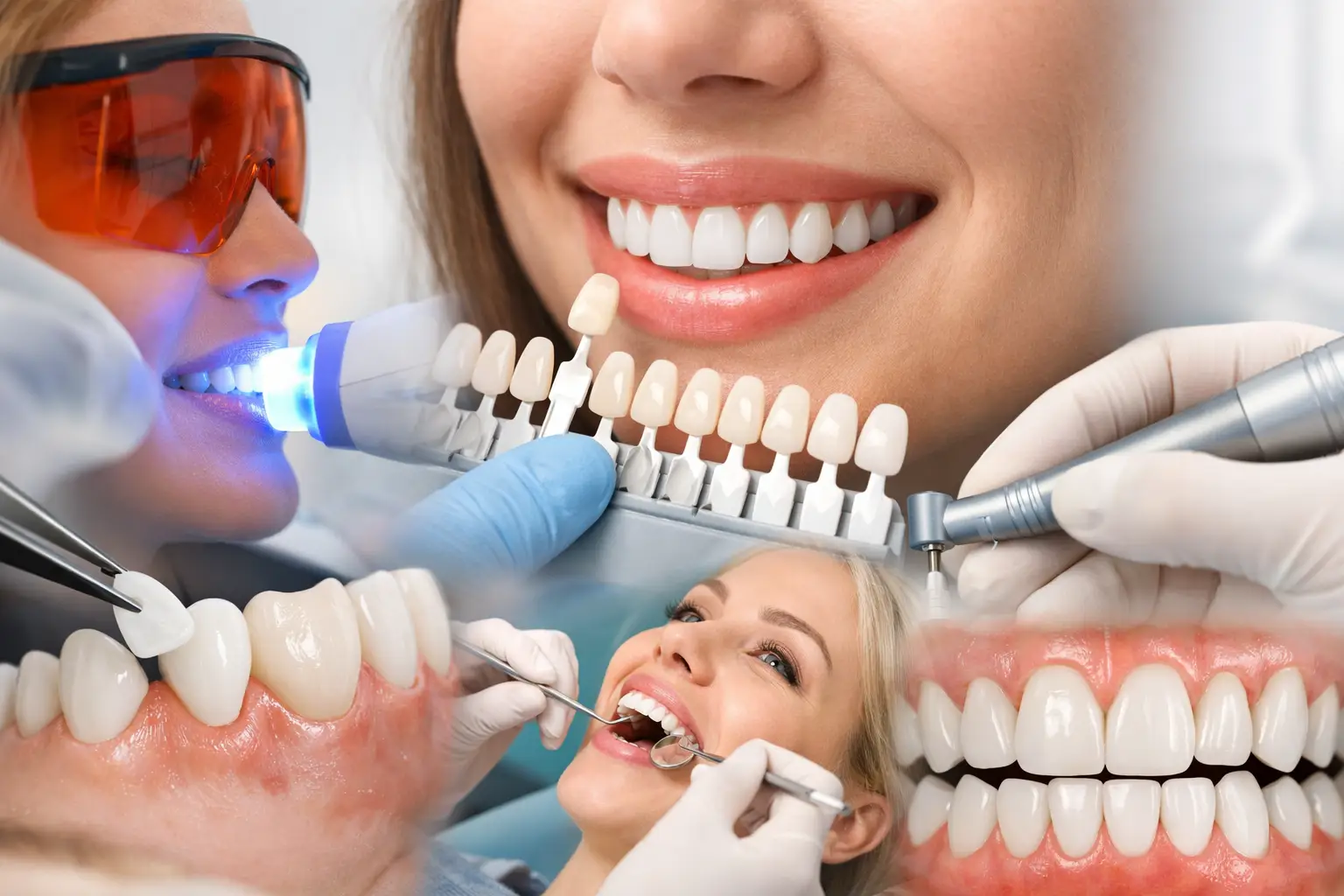
10 Examples of Cosmetic Dentistry
A chipped front tooth shows up in photos long before it causes pain. That is usually when people start looking into examples of cosmetic dentistry – not because something hurts, but because something feels off every time they smile, speak, or look in the mirror.
Cosmetic dentistry covers treatments that improve the look of your teeth and gums, but many of these services can also support comfort, confidence, and function. Some options are quick and simple, like whitening. Others are more involved, like veneers, implants, or a full smile makeover. The right choice depends on what you want to change, how long you want results to last, and whether there are underlying dental issues that need attention first.
Common examples of cosmetic dentistry
If you are comparing treatment options, it helps to see what falls under the cosmetic umbrella and what each one is designed to do.
Teeth whitening
Professional teeth whitening is one of the most popular cosmetic dental treatments because it is fast, conservative, and noticeably effective for many patients. It works best on surface stains caused by coffee, tea, wine, tobacco, and normal aging.
That said, whitening does not change the shape of your teeth or repair damage. It also will not lighten crowns, veneers, or tooth-colored fillings. If you have uneven dental work in visible areas, your dentist may recommend a more customized cosmetic plan so your smile looks consistent.
Dental veneers
Veneers are thin shells, usually made from porcelain, that are bonded to the front of teeth. They are often used to improve color, shape, size, minor spacing issues, and small chips or worn edges.
For patients who want a dramatic but polished change, veneers can be a strong option. They do require careful planning. In many cases, a small amount of enamel is removed, which makes the treatment less reversible than whitening or bonding. The payoff is that porcelain veneers can look very natural and resist staining better than untreated enamel.
Cosmetic dental bonding
Bonding uses a tooth-colored resin to repair chips, close small gaps, reshape uneven teeth, or improve the appearance of discoloration. It is one of the more affordable examples of cosmetic dentistry and is often completed in a single visit.
Bonding is appealing because it is conservative and efficient, but it does have limits. The material is not as strong or stain-resistant as porcelain, so it may need touch-ups or replacement sooner than veneers. For small corrections, though, it can make a big difference without a major commitment.
Clear aligners and cosmetic orthodontics
Straight teeth tend to look better, but alignment is not only cosmetic. Crowded or uneven teeth can also be harder to clean and may wear unevenly over time. Clear aligners and other orthodontic treatments can improve smile appearance while supporting long-term dental health.
This option is especially useful if your main concern is spacing, crowding, or a bite issue rather than tooth color. The trade-off is timing. Unlike whitening or bonding, orthodontic treatment takes months, not days. But if teeth are in the wrong position, moving them first can create a better foundation for any later cosmetic work.
Tooth-colored fillings
When a cavity or old metal filling affects a visible tooth, tooth-colored composite fillings can restore the area in a more natural-looking way. These fillings blend with surrounding enamel and are often chosen by patients who want dental work to be less noticeable.
This is a good example of where cosmetic and restorative dentistry overlap. The goal is not just appearance. The tooth still needs to be healthy and sealed properly. A beautiful result only lasts when the underlying treatment is done well.
Dental crowns for visible teeth
Crowns are sometimes thought of as purely restorative, but they can also play an important cosmetic role. A crown may be recommended when a tooth is badly worn, broken, weakened after root canal treatment, or too damaged for a simple filling or bonding repair.
On front or highly visible teeth, the crown must do more than protect the tooth. It also has to match your smile in color, shape, and proportion. When planned carefully, a crown can restore both appearance and strength.
Dental implants
A missing tooth changes more than your smile. It can affect chewing, speech, and the way neighboring teeth shift over time. Dental implants replace missing teeth with a titanium post and a custom restoration that looks and functions much like a natural tooth.
Implants are one of the longest-lasting cosmetic solutions available, but they are not instant. Treatment can involve healing periods, imaging, and in some cases bone grafting. For the right candidate, though, they offer stability and a very natural result that removable options may not match.
Gum contouring
Sometimes the issue is not the teeth themselves but the gumline. If you feel your smile looks too “gummy” or uneven, gum contouring can reshape excess tissue and create better balance.
This treatment is less commonly discussed than whitening or veneers, but it can have a major visual impact. It is often used as part of a broader smile improvement plan, especially when tooth proportions look short or asymmetrical.
Enamel shaping and contouring
For minor imperfections, enamel shaping can smooth rough edges, soften pointy teeth, or make small adjustments to length and symmetry. It is subtle, but in the right case, subtle is exactly what makes it effective.
Because a tiny amount of enamel is removed, this option works best for patients with healthy teeth and very specific concerns. It is not a fix for major structural problems, but it can refine a smile without extensive treatment.
Smile makeovers
A smile makeover is not one single procedure. It is a customized plan that combines treatments based on your goals, oral health, facial features, and budget. Someone might need whitening and bonding. Another person might do aligners first, then veneers, then a replacement for an old crown.
This approach is ideal when there is more than one issue to address or when you want the final result to feel balanced instead of pieced together over time. At a full-service office like West Hollywood Smile Dental, that planning can happen under one roof, which makes the process easier for patients who want both cosmetic improvement and complete dental care in one place.
How to choose among examples of cosmetic dentistry
The best cosmetic treatment is not always the most dramatic one. It is the one that fits your teeth, your goals, and your timeline.
If your teeth are healthy and you mostly want a brighter smile, whitening may be enough. If you have chips, uneven edges, or slight gaps, bonding or veneers may make more sense. If alignment is the real problem, straightening teeth first is often the smarter long-term move. And if there are damaged or missing teeth involved, restorative work may need to come before or along with cosmetic treatment.
Budget matters too. Cosmetic dentistry is not one-size-fits-all, and honest planning should include a discussion about cost, longevity, and maintenance. Veneers may last longer than bonding, but they also involve a bigger investment. Implants can be incredibly durable, but they require more time and a higher upfront cost than a bridge or removable option.
What to expect at a cosmetic consultation
A good cosmetic consultation should feel collaborative, not pushy. Your dentist should ask what you want to change, evaluate your oral health, and explain which options are realistic for your smile.
In some cases, the first step is not cosmetic at all. You may need a cleaning, cavity treatment, gum therapy, or replacement of failing dental work before cosmetic changes begin. That is not a setback. It is part of getting a result that looks good and lasts.
You should also expect a conversation about comfort. Many patients delay cosmetic treatment because they are nervous about dental visits or assume the process will be uncomfortable. Modern dental care offers far more support than people expect, from gentle techniques to options that help anxious patients feel more at ease during treatment.
When cosmetic dentistry is worth it
People sometimes feel guilty for wanting cosmetic dental work, as if improving a smile is purely vanity. In real life, it is rarely that simple. A smile affects first impressions, confidence at work, comfort in social settings, and even whether someone avoids being photographed.
Cosmetic dentistry is worth considering when the change would genuinely improve how you feel and function, and when the treatment plan respects your health as much as your appearance. The best results do not look artificial or overdone. They look like you, just more comfortable smiling.
If you have been researching examples of cosmetic dentistry, the next step is not choosing a treatment from a list. It is finding out which option fits your smile, your priorities, and your pace – so the result feels natural every time you catch your reflection.