
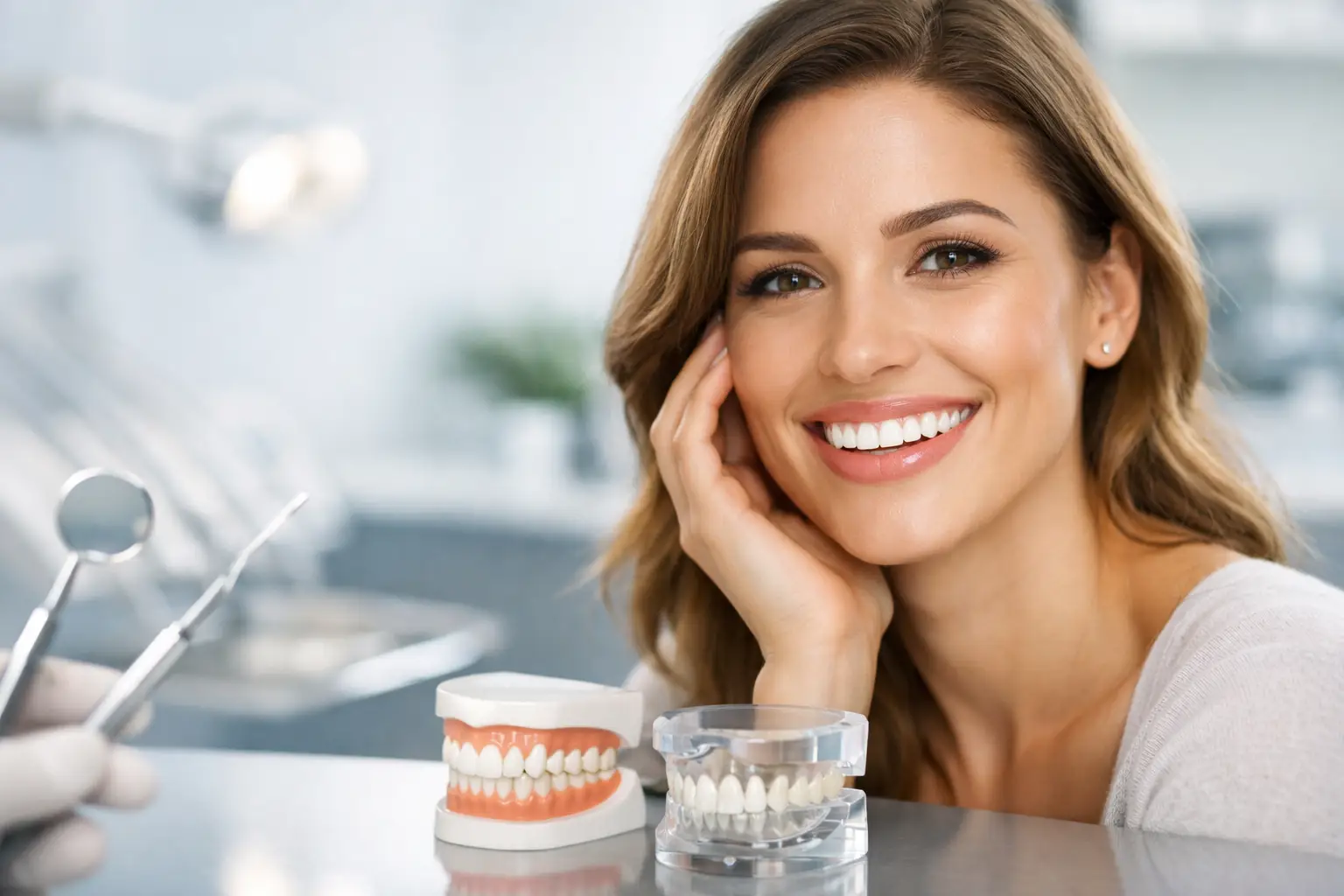
Cosmetic Dentistry Smile Makeover Guide
A great smile rarely comes down to just one tooth. More often, people notice a combination of concerns at once – discoloration, chips, uneven edges, worn enamel, gaps, or teeth that simply do not look balanced together. That is why a cosmetic dentistry smile makeover is usually a personalized treatment plan rather than a single procedure. The goal is not to make your smile look artificial. It is to make it look healthy, proportionate, and like the best version of your natural features.
For many patients, the real question is not whether they want a better smile. It is how to improve it without wasting time, over-treating the teeth, or ending up with a result that feels too obvious. A thoughtful smile makeover addresses those concerns by starting with the full picture – your oral health, face shape, bite, budget, and timeline – before any cosmetic work begins.
What a cosmetic dentistry smile makeover really means
A smile makeover is a customized combination of treatments used to improve the appearance of your teeth and gums. Depending on your needs, that might involve whitening, veneers, clear aligners, bonding, contouring, crowns, implants, or gum shaping. Some patients need only one or two changes. Others benefit from a more comprehensive plan that blends cosmetic and restorative care.
The reason customization matters is simple. Bright white teeth alone will not create a beautiful result if the smile still looks crowded, uneven, or worn down. In the same way, straightening teeth may improve alignment, but it may not address stains, old fillings, or chipped edges. The best smile makeovers work because each treatment supports the others.
This is also where experience makes a difference. Cosmetic planning should consider symmetry, tooth proportion, lip line, gum display, and how your smile looks when you speak, not just when you pose for a photo. A natural-looking result often depends on small details that are easy to overlook.
Who is a good candidate for a cosmetic dentistry smile makeover?
Most healthy adults with cosmetic concerns can be candidates, but the right plan depends on what is causing the issue. Some people want a brighter, more polished smile before a wedding, career move, or major life event. Others have lived with worn or damaged teeth for years and are finally ready to fix them.
You may be a strong candidate if you are bothered by stained teeth, chips, cracks, spacing, mild crowding, uneven tooth size, old dental work that shows when you smile, or missing teeth that affect your confidence. If you also have decay, gum disease, or bite problems, those usually need to be treated first. Cosmetic improvements last longer and look better when the foundation is healthy.
That point matters because not every patient should start with veneers. Sometimes the smarter first move is a deep cleaning, replacing failing restorations, or correcting alignment before changing the visible surfaces of the front teeth. Good cosmetic dentistry is never just about appearance. It should support comfort, function, and long-term oral health too.
Treatments commonly included in a smile makeover
Teeth whitening is often the simplest place to begin. It can lift years of staining and help you see whether more treatment is even necessary. For some patients, whitening plus minor bonding is enough to make a noticeable difference.
Veneers are a popular option when the concerns involve shape, size, color, and mild spacing all at once. They can create dramatic change, but they are not the answer for every case. Veneers require careful planning, and patients should understand the maintenance involved as well as the difference between a refined result and an overly opaque, uniform look.
Clear aligners or orthodontic treatment may be recommended if teeth are crowded, rotated, or spaced in ways that affect the overall smile. Straightening first can allow for more conservative cosmetic work later, which is often better for natural tooth structure.
Dental bonding can repair chips, soften small imperfections, and reshape select teeth with less preparation than veneers. It is a useful option when the changes are modest, although bonding may stain or wear faster over time than porcelain.
Crowns, implants, or other restorative treatments may be needed when teeth are heavily damaged, missing, or structurally weak. In these cases, the cosmetic result and the functional result go hand in hand. A smile makeover is not limited to healthy front teeth. It can also rebuild stability and comfort.
How the planning process should work
The planning stage is where a smile makeover either becomes thoughtful or rushed. A proper consultation should start with your goals. Some patients want a subtle refresh. Others want a more camera-ready transformation. Neither goal is wrong, but the treatment plan should match the person, not a trend.
Photos, digital imaging, x-rays, and a full exam help determine what is realistic and what should happen first. This is also the time to discuss shade preferences, tooth shape, and whether you want a softer, natural look or a brighter, more defined aesthetic. Honest conversations early on prevent disappointment later.
A good dentist should also talk through trade-offs. For example, whitening is less invasive than veneers, but it cannot change shape or alignment. Veneers can correct multiple issues at once, but they involve a bigger commitment. Aligners can preserve tooth structure, but they take more time. The right answer depends on your priorities.
In a full-service practice, planning becomes easier because cosmetic, restorative, and surgical needs can be coordinated in one office. That matters when a patient needs several types of care and wants a smoother experience rather than piecing treatment together across multiple providers.
Cost, timing, and what affects both
One reason patients delay a smile makeover is the assumption that it will be too expensive or too time-consuming. Sometimes that is true for complex cases, but not always. The cost depends on how many teeth are involved, which treatments are chosen, the materials used, and whether health issues need to be addressed before cosmetic work starts.
A simple plan with whitening and bonding may be completed quickly and at a much lower cost than a full veneer case or implant-supported restoration. Orthodontic treatment takes longer, but it may reduce the amount of cosmetic work needed after alignment is finished. In other words, the fastest option is not always the most conservative one, and the least expensive upfront option is not always the best long-term value.
This is why clear treatment sequencing matters. Patients should know what is essential, what is optional, and what can be phased over time. For many people, a staged approach feels more manageable and still leads to an excellent result.
What makes results look natural
The best smile makeovers usually do not announce themselves. People notice that you look healthier, more refreshed, or more confident, but they may not immediately know why. That tends to happen when cosmetic dentistry respects your facial features rather than trying to force every smile into the same template.
Natural-looking results often come from variation. Real teeth are not identical squares lined up in one flat row. They reflect light differently, have subtle contours, and fit the face. Gum balance matters. So does the way the front teeth relate to the lower lip when you smile.
This is also why one-size-fits-all cosmetic work can fall short. A beautiful result for one patient may look out of place on another. Careful case design, quality materials, and a personalized approach are what create a smile that feels believable and comfortable.
Choosing the right office for a smile makeover
If you are considering a cosmetic dentistry smile makeover, look for an office that can evaluate more than color and shape alone. You want a team that pays attention to oral health, function, comfort, and the long-term stability of the work. Ask how treatment is planned, what alternatives exist, and whether your care can be coordinated in one place if additional services are needed.
That kind of comprehensive approach is especially helpful for busy adults and families who do not want to bounce between offices for cleanings, cosmetic care, restorative treatment, and follow-up visits. In West Hollywood, many patients value that convenience just as much as the final cosmetic result, because the process matters too.
Feeling comfortable with your dentist matters as much as the technical work. A smile makeover is personal. You should feel heard, not pressured. The right team will explain options clearly, recommend only what makes sense for your goals, and help you move at a pace that feels right.
A better smile can absolutely change how you look, but for most patients, the bigger shift is how they carry themselves afterward. When treatment is planned with care, comfort, and good judgment, confidence tends to follow naturally.