
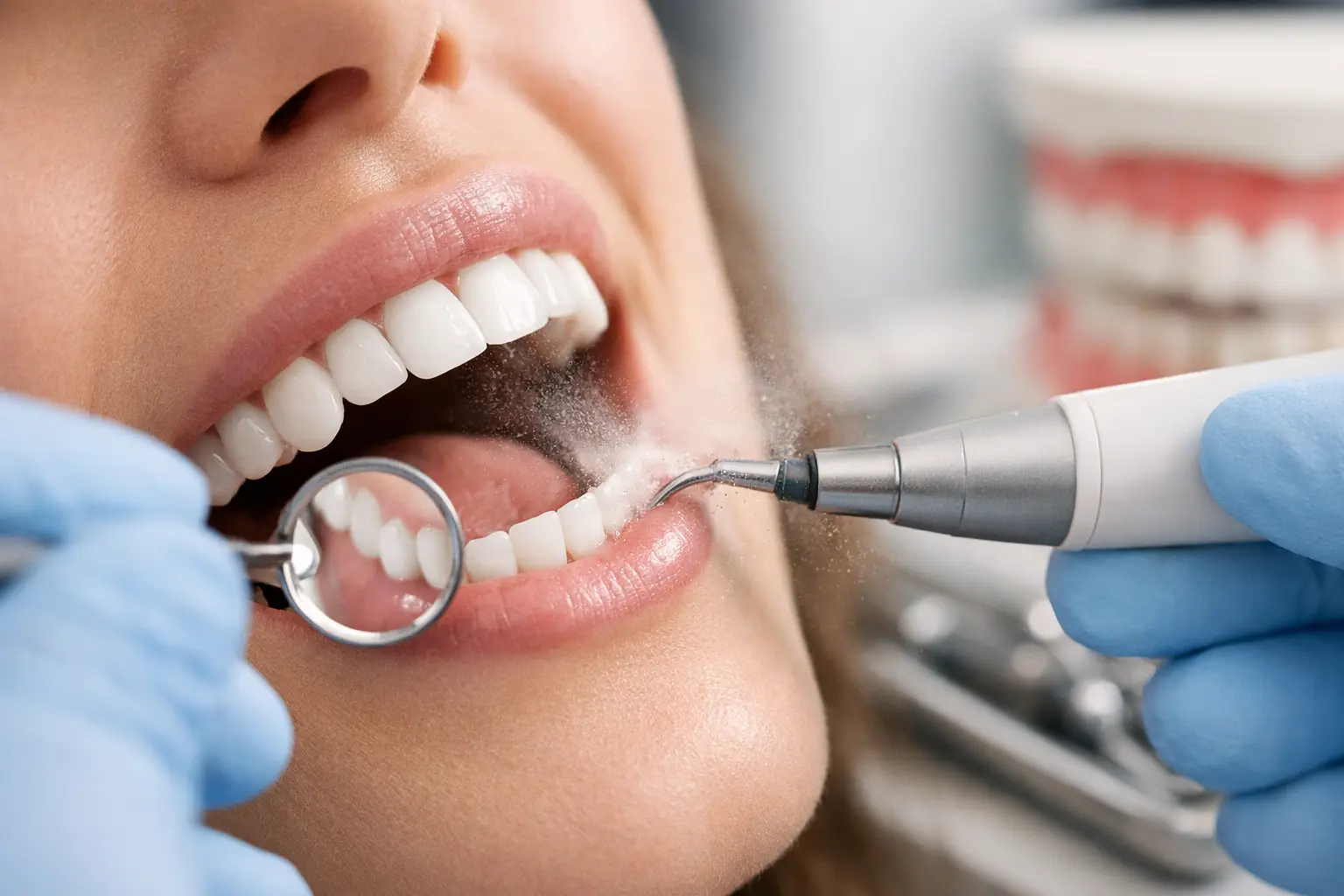
A routine cleaning leaves your teeth feeling polished, but it only reaches the areas above and just below the gumline. So, what does deep cleaning do when plaque and tartar have moved farther beneath the gums? It treats the buildup and bacteria associated with gum disease, helping protect the foundation that supports your teeth.
Deep cleaning is often recommended when a dental exam shows signs of periodontal disease, such as bleeding gums, persistent bad breath, gum recession, or deeper spaces between the teeth and gums. It is not simply an extra-thorough version of a regular cleaning. It is a targeted treatment designed to stop infection from progressing and give inflamed gum tissue a better chance to heal.
What Does Deep Cleaning Do for Your Mouth?
A dental deep cleaning, clinically called scaling and root planing, removes plaque, hardened tartar, and bacteria from below the gumline. These deposits can collect in periodontal pockets, which are spaces that deepen when gum tissue pulls away from the teeth because of inflammation and infection.
During the scaling portion, the dentist or hygienist carefully cleans tartar from the tooth surface and below the gums. Root planing then smooths the root surfaces. A smoother root makes it harder for bacteria to cling to the tooth and can help the gum tissue reattach more closely as inflammation improves.
The goal is not to make gums look cosmetically perfect overnight. The goal is to reduce the bacterial burden that can cause bleeding, swelling, tenderness, bone loss, and eventually loose teeth. When paired with consistent home care and follow-up visits, deep cleaning can help stabilize gum disease and preserve your natural smile.
Why a Regular Cleaning May Not Be Enough
Even excellent brushing cannot remove tartar once it has hardened. Flossing is essential for cleaning between teeth, but it also cannot fully reach bacteria and calculus deep inside periodontal pockets. That is where professional periodontal treatment becomes necessary.
At a preventive cleaning, your dental team removes plaque and tartar from accessible tooth surfaces, generally for patients with healthy gums or mild gingivitis. A deep cleaning goes below the gumline and is based on measurements taken during your exam. Your dentist measures the space between each tooth and gum tissue, called pocket depth, and evaluates bleeding, inflammation, recession, tartar buildup, and bone levels on X-rays.
It depends on what those findings show. Slight gum inflammation may improve with a routine cleaning and stronger home care. Deeper pockets, bleeding, tartar below the gums, or evidence of bone loss may call for scaling and root planing instead. Recommending deep cleaning is not about upselling a cleaning appointment. It is about treating an active condition before it becomes more difficult and expensive to manage.
What Happens During a Deep Cleaning Appointment?
Your comfort matters, especially because the treatment reaches sensitive areas below the gums. Many patients receive local anesthetic so the area being cleaned is numb. Depending on how much treatment is needed, deep cleaning may be completed in one visit or divided into sections of the mouth over two or more appointments.
The dental team uses specialized instruments, which may include ultrasonic technology and hand instruments, to remove deposits from the teeth and roots. You may hear water and vibration from an ultrasonic scaler, but the purpose is straightforward: break up hardened buildup while flushing bacteria and debris away from the area.
After cleaning each area, your dentist may discuss a personalized maintenance schedule. Some patients need periodontal maintenance more frequently than the typical six-month preventive visit. This does not mean treatment failed. Gum disease is often a chronic condition, much like other health concerns that need ongoing monitoring to stay controlled.
Benefits You May Notice After Treatment
The most meaningful benefits happen below the surface, where you cannot always see them. Removing bacteria and tartar can reduce inflammation, which is the driver of many gum disease symptoms. Over the following weeks, patients may notice less bleeding when brushing or flossing, fresher breath, and gums that feel less swollen or tender.
Deep cleaning can also help slow or prevent further damage to the bone and tissues holding teeth in place. It cannot replace bone that has already been lost, and it cannot guarantee that advanced periodontal disease will reverse. However, addressing infection early can make a significant difference in keeping the condition from worsening.
For patients who are considering cosmetic treatment, healthy gums are also an essential starting point. Whitening, veneers, crowns, implants, and orthodontic care all benefit from a stable periodontal foundation. A beautiful smile should be supported by healthy tissue, not placed over untreated inflammation.
Does Deep Cleaning Hurt?
Most patients tolerate deep cleaning very well with proper numbing and a gentle approach. During the procedure, you may feel pressure or vibration, but you should not feel sharp pain. If you are anxious about dental treatment, tell your team before the appointment so comfort options can be discussed.
Afterward, mild soreness, sensitivity to hot or cold foods, and slight gum tenderness are common for a few days. Your gums may also look as though they have receded slightly once swelling goes down. This can be alarming, but it often reflects the gums becoming less puffy rather than the treatment causing new recession.
Follow your dentist’s instructions for brushing, flossing, rinsing, and pain relief. Use a soft-bristled toothbrush, brush gently at the gumline, and avoid stopping your home-care routine because of temporary tenderness. Keeping the area clean is part of the healing process.
How Long Do the Results Last?
Deep cleaning removes existing buildup, but it does not make someone immune to future plaque or gum disease. The results depend largely on what happens after the appointment. Daily brushing, cleaning between the teeth, regular periodontal maintenance, and avoiding tobacco are all important.
Some risk factors are not fully within your control. Genetics, diabetes, dry mouth, certain medications, stress, hormonal changes, and crowded teeth can make gum disease harder to manage. That is why personalized care matters. Your dentist can help you understand which factors affect your mouth and create a maintenance plan that feels realistic for your routine.
If periodontal pockets remain deep after treatment or the disease is more advanced, additional treatment may be needed. This can include antimicrobial therapy, laser-assisted care, or referral for periodontal surgery. The appropriate next step depends on your response to deep cleaning, not on a one-size-fits-all timeline.
When to Schedule an Evaluation
Bleeding gums are common, but they should not be dismissed as normal. Schedule a dental evaluation if you have gums that bleed regularly, bad breath that does not improve, a bad taste in your mouth, visible tartar near the gumline, gum recession, sensitivity, or teeth that feel different when you bite.
At West Hollywood Smile Dental, an exam can clarify whether you need a routine cleaning, deep cleaning, or another type of periodontal care. The conversation should be clear and judgment-free, with time to review your X-rays, measurements, comfort needs, and treatment options.
Gum disease often progresses quietly, which makes early care especially valuable. If your gums are sending signals, a focused evaluation is a practical next step toward protecting the teeth you rely on every day.

Best Cosmetic Dental Treatments for Your Smile