A dental checkup is often the appointment that prevents a much bigger one later. A tiny cavity, early gum inflammation, a cracked filling, or a change in your bite may not cause discomfort yet. Finding those concerns while they are still small can mean simpler treatment, less time in the chair, and greater confidence in your smile.
For busy adults and families, preventive visits can feel easy to postpone when nothing hurts. But dental problems do not always announce themselves early. Regular care gives your dentist the chance to protect what is healthy, address what is changing, and help you make decisions before pain or an emergency forces the issue.
What Happens During a Dental Checkup?
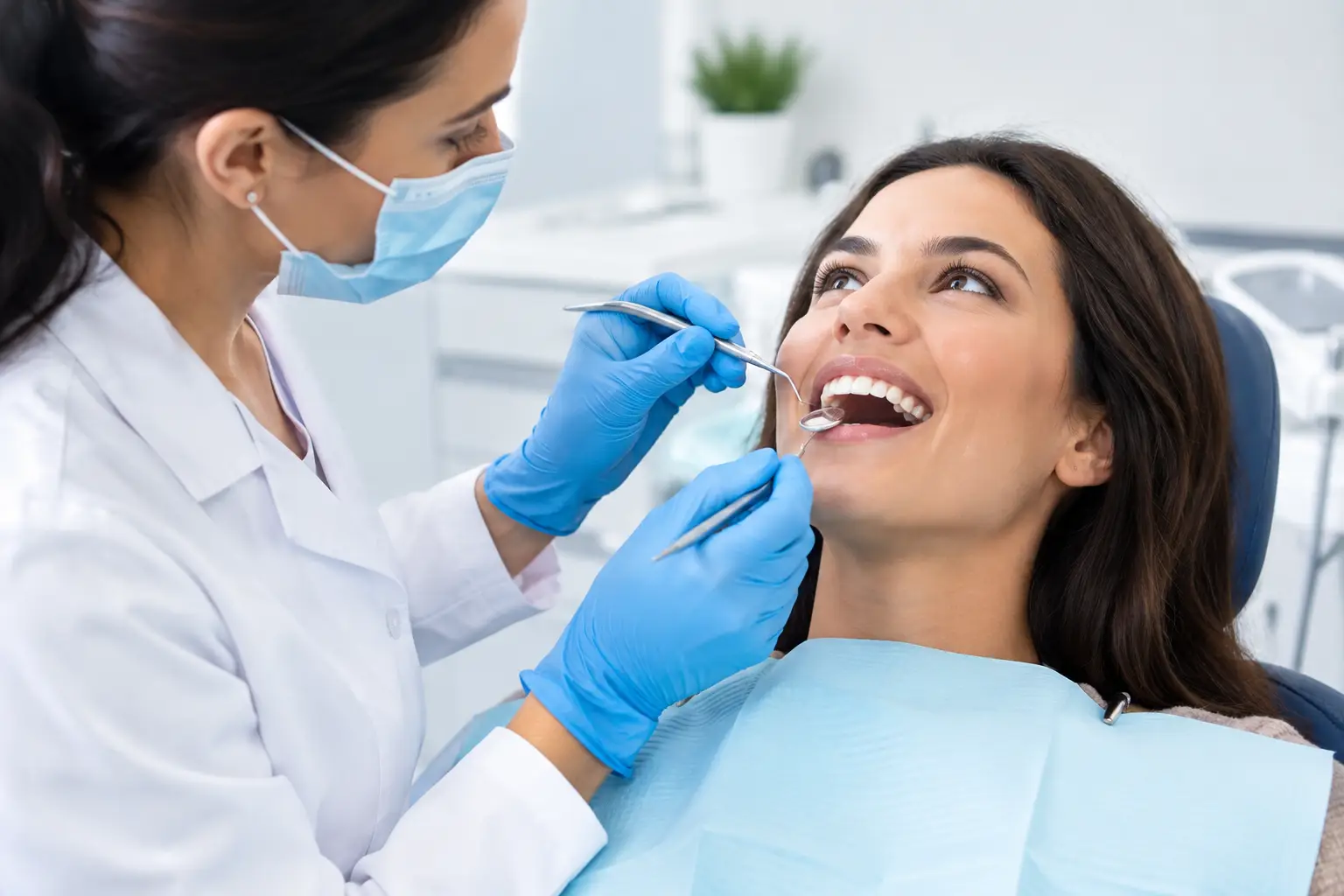
A comfortable checkup should feel thorough, personal, and straightforward. Your visit usually begins with a conversation about anything that has changed since your last appointment. That may include sensitivity, jaw soreness, bleeding gums, trouble chewing, headaches, changes in your health, or medications you have started taking.
Your dental team will examine your teeth, gums, bite, and soft tissues inside the mouth. They look for decay, worn enamel, loose or damaged restorations, signs of gum disease, and areas where plaque tends to collect. They also evaluate how your teeth come together, which matters when you have jaw discomfort, tooth wear, or a history of clenching and grinding.
Most routine visits also include a professional cleaning. Even patients who brush and floss consistently can develop hardened plaque, called tartar, in difficult-to-reach areas. A hygienist gently removes these deposits and polishes the teeth, then can offer practical guidance based on what they see – perhaps a different flossing technique, a softer brush, or more focused care around a crown, implant, or retainer.
X-rays are used thoughtfully
Dental X-rays reveal concerns that cannot be seen during a visual exam, including decay between teeth, changes around tooth roots, bone loss, and problems beneath existing fillings or crowns. They are not necessarily needed at every visit for every patient. The right schedule depends on your cavity risk, gum health, dental history, age, symptoms, and the quality of previous images.
If you have a history of frequent cavities, extensive restorations, or active gum concerns, your dentist may recommend images more often. If your oral health has been stable for years, less frequent imaging may be appropriate. The goal is not to take unnecessary X-rays. It is to gather the information needed to make informed, conservative recommendations.
Your gums deserve equal attention
Healthy gums are the foundation of a healthy smile. During an exam, your dental team checks for redness, swelling, recession, bleeding, and pockets between the teeth and gums. These can be early signs of periodontal disease, an infection that can gradually damage the tissues and bone supporting the teeth.
Gum disease is often quiet in its early stages. Many people assume bleeding while brushing is normal, but it is a reason to be evaluated. When inflammation is caught early, improved home care and routine cleanings may be enough to restore gum health. More advanced disease may require a deep cleaning and ongoing periodontal maintenance to protect the bone around the teeth.
Why a Dental Checkup Matters Even When You Feel Fine
Pain is a late signal for many oral health issues. Tooth decay can progress through enamel without causing symptoms. A small crack can worsen gradually with chewing. Infection around a tooth root may be painless until swelling or severe discomfort develops. The earlier these concerns are identified, the more options you generally have.
Early treatment is often more conservative, too. A small cavity may need a simple filling, while a larger area of decay could require a crown or root canal treatment. A worn night guard can be replaced before clenching causes more extensive tooth damage. A loose filling can be repaired before bacteria reach deeper layers of the tooth.
Checkups also support the appearance of your smile. Before pursuing whitening, veneers, aligners, or a more complete smile makeover, your teeth and gums need a healthy foundation. A careful exam helps ensure cosmetic treatment is planned around your bite, gum health, existing restorations, and long-term goals – not just a quick visual change.
How Often Should You Schedule a Dental Checkup?
For many people, visiting every six months is a practical standard. It allows enough time to monitor changes while keeping plaque and tartar buildup under control. However, the best interval is personal, not one-size-fits-all.
Some patients benefit from more frequent visits. That may include people with gum disease, diabetes, dry mouth, a high cavity risk, orthodontic appliances, pregnancy-related gum changes, or difficulty cleaning around dental work. Others with consistently excellent oral health and low risk may have a different recall schedule recommended by their dentist.
The most useful question is not simply, “How long has it been?” It is, “What does my mouth need to stay healthy?” A personalized schedule respects both your health needs and your time.
Signs You Should Not Wait for Your Next Routine Visit
A routine appointment is valuable, but certain symptoms deserve attention sooner. Call your dental office if you have persistent tooth pain, facial swelling, a broken tooth or restoration, a tooth that feels loose, prolonged sensitivity to hot or cold, bleeding that does not improve, or a sore in the mouth that has not healed within two weeks.
Jaw pain, frequent headaches, and waking with tight facial muscles are also worth discussing. These symptoms can be connected to clenching, grinding, bite changes, or jaw-joint concerns. A dentist can evaluate the likely cause and discuss options such as a custom night guard or other appropriate treatment.
If you have a true dental emergency, prompt care can protect your comfort and improve the chance of saving a tooth. Waiting for a regularly scheduled cleaning is rarely the right choice when swelling, trauma, or significant pain is involved.
Making the Visit Easier if You Feel Anxious
Dental anxiety is common, including among people who care deeply about their oral health. Sometimes it stems from a past experience, sensitivity, a strong gag reflex, embarrassment about time away from the dentist, or simply not knowing what will happen. You do not need to push through those feelings silently.
Let the office know when you schedule. A patient-centered team can explain each step, agree on a signal for breaks, use a gentle touch, and help you feel more in control throughout the visit. For patients who need additional support, comfort options and sedation may be appropriate depending on the treatment being performed and your health history.
It also helps to remember that a checkup is not a judgment. The purpose is to understand where your oral health stands now and create a realistic path forward. Whether it has been six months or several years, returning to care is a positive step.
Get More Value From Your Preventive Visits
Come prepared to mention changes in your health, medications, pregnancy status, or concerns about sleep, snoring, headaches, and jaw tension. Bring your night guard or removable appliance if you use one. These details can reveal patterns that are easy to miss in a quick conversation.
Use the appointment to ask clear questions about recommendations. You can ask what the concern is, how urgent it is, what may happen if you wait, and whether there are alternatives. Good dental care includes clear answers, transparent planning, and treatment recommendations that match your goals.
At West Hollywood Smile Dental, preventive care is designed to be the starting point for a long-term relationship, whether you need a routine cleaning, help with a painful tooth, or a plan to achieve the smile you deserve. One office that can coordinate preventive, restorative, cosmetic, and specialized care can make follow-through easier when your needs change.
The best time to schedule a checkup is before your mouth gives you a reason to make an urgent call. Give your smile the same attention you give the rest of your health, and let a caring dental team help keep small concerns from becoming disruptive ones.