A freshly whitened smile can make a meaningful difference before a big event, an important meeting, or simply when you look in the mirror each morning. The key to enjoying that brighter color is knowing how to maintain teeth whitening results without making your routine complicated. Small, consistent choices – paired with professional guidance when needed – can help your smile stay noticeably brighter for longer.
Teeth naturally pick up color over time. Coffee on the way to work, red wine at dinner, deeply pigmented foods, tobacco, and even the natural aging process can gradually dull enamel. Whitening is highly effective, but it is not permanent. The good news is that protecting your results is usually more about practical habits than giving up everything you enjoy.
Why Teeth Whitening Results Can Fade
Whitening treatments lift or break apart many of the stain molecules that have settled into the outer layers of teeth. After treatment, your enamel may be more susceptible to new staining for a short period, particularly after an in-office whitening visit or a stronger at-home treatment. This is why the first couple of days deserve extra attention.
Longer term, fading depends on your lifestyle, the type of whitening treatment used, your natural tooth color, and the condition of your enamel. Someone who drinks black coffee several times a day will usually need touch-ups sooner than someone who drinks mostly water. Teeth with thinning enamel, tiny surface cracks, older fillings, or crowns may also respond differently.
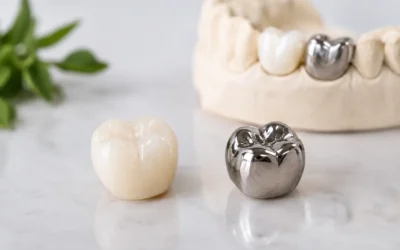
Whitening also changes the color of natural tooth structure only. Crowns, veneers, bonding, and fillings do not whiten in the same way, so an individualized plan matters when you have visible dental work.
How to Maintain Teeth Whitening Results With Daily Habits
A consistent oral hygiene routine is one of the most reliable ways to preserve a bright smile. Brush twice daily for two full minutes with a soft-bristled toothbrush and fluoride toothpaste. Brushing removes the film that lets stain-causing pigments cling to tooth surfaces.
Floss once a day as well. Staining and plaque can collect between teeth, where your toothbrush cannot adequately reach. Clean spaces between teeth make the entire smile look fresher and help support healthy gums, which frame your results.
Choose whitening toothpaste thoughtfully. These products can help remove surface stains, but some are more abrasive than others. Overusing a highly abrasive formula can wear down enamel over time, which may make teeth look more yellow rather than less. A dentist can recommend an option that fits your enamel health and sensitivity level.
Be Extra Careful for the First 48 Hours
Following a whitening treatment, try to avoid foods and drinks that would stain a white shirt. Dark coffee, tea, cola, red wine, berries, tomato sauce, balsamic vinegar, soy sauce, and richly colored curries are common culprits. Tobacco and vaping products can also quickly discolor teeth.
This short-term adjustment does not need to feel restrictive. Water, milk, plain yogurt, rice, chicken, fish, cauliflower, bananas, and other lightly colored foods are simple choices while your teeth settle. If your dentist gives you specific post-treatment instructions, follow those first.
Rinse, Sip Smart, and Do Not Let Stains Sit
You do not have to eliminate coffee or red wine forever to keep a bright smile. Timing and follow-through can make a real difference. Drink water after a staining beverage or meal to rinse away pigments before they have more time to settle on your teeth.
When practical, use a straw for cold drinks such as iced coffee, iced tea, or dark juices. It reduces direct contact with the front teeth, though it is not a complete substitute for brushing and rinsing. Avoid brushing immediately after acidic drinks, including soda, citrus beverages, and wine. Acid temporarily softens enamel, so wait about 30 minutes, then brush gently.
Manage the Habits That Cause the Most Staining
For many patients, frequent sipping is more challenging than the food or beverage itself. Nursing a cup of coffee for several hours repeatedly exposes your teeth to stain pigments and acid. Enjoy it in a shorter window, then have water afterward. The same approach applies to tea, soda, and dark juices.
Smoking and other tobacco use are among the fastest ways to lose whitening results. Beyond the cosmetic effects, tobacco raises the risk of gum disease, bad breath, tooth loss, and oral cancer. Cutting back or quitting supports a healthier mouth as well as a brighter smile.
Dry mouth deserves attention, too. Saliva naturally helps rinse away food particles and neutralize acids. Certain medications, dehydration, mouth breathing, and alcohol-containing mouthwash can contribute to dryness. Drink water regularly, and ask your dental team about dry-mouth solutions if your mouth often feels sticky, sore, or unusually dry.
Schedule Cleanings to Remove Surface Stains
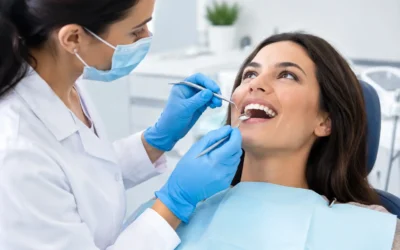
Even excellent home care cannot remove all plaque and tartar. Professional cleanings remove hardened buildup and surface stains before they become more noticeable. For most people, routine preventive visits are recommended every six months, although some patients benefit from a different schedule based on gum health and individual needs.
A cleaning is not the same as whitening, but it often restores some brightness by removing the external stains that build up from everyday life. Regular exams also allow your dentist to identify early enamel wear, cavities, gum inflammation, or cracked restorations that could affect both your oral health and your smile’s appearance.
At West Hollywood Smile Dental, personalized preventive care can be coordinated with cosmetic goals, so your whitening maintenance plan fits comfortably into your regular dental visits.
Use Touch-Ups Carefully, Not Constantly
Touch-up whitening is normal. Depending on your original treatment and habits, you may benefit from a brief at-home touch-up every few months or a professional refresh on a schedule recommended by your dentist. The right timing varies widely, which is why it is better to use dentist-approved products than to repeatedly try stronger over-the-counter options.
More whitening is not always better. Overuse can lead to tooth sensitivity, gum irritation, and uneven color. If your teeth start to feel sharp or sensitive with cold foods and drinks, pause treatment and contact your dental office. A clinician can help determine whether you need a lower-strength product, shorter wear time, desensitizing toothpaste, or an evaluation for another cause of sensitivity.
Keep any custom whitening trays clean, dry, and stored in their protective case. Heat can distort them, and residue inside the trays can affect how evenly whitening gel contacts the teeth. Never share trays or whitening products with another person.
Protect the Enamel Behind Your Whitening Results
The brightest-looking smiles are not just white. They are clean, smooth, and supported by healthy enamel and gums. Fluoride toothpaste, a balanced diet, and regular dental care help protect the enamel that gives teeth their natural luster.
Avoid using charcoal powders, lemon juice, baking soda scrubs, or other DIY whitening methods as a routine solution. These approaches can be abrasive or acidic, and they may damage enamel without delivering predictable whitening. Professional treatment is designed to be both effective and safe when used as directed.
If you grind or clench your teeth, ask whether a night guard may help. Grinding can create wear and small cracks that change how teeth reflect light and can make discoloration more apparent. Protecting teeth from unnecessary wear is an investment in both their appearance and function.
When a Brighter Smile Needs More Than a Touch-Up
Not all discoloration is caused by surface stains. A single tooth that turns gray, brown, or noticeably darker than neighboring teeth should be evaluated rather than whitened repeatedly. Internal discoloration can sometimes be related to a past injury, a large filling, or changes inside the tooth.
Likewise, whitening may not fully address yellowing caused by thin enamel, uneven color, or aging dental restorations. In those situations, options such as bonding, veneers, or replacing a visibly mismatched restoration may offer a more balanced result. Your dentist can explain the trade-offs and help you choose a conservative approach that supports your long-term oral health.
A bright smile is easier to maintain when it is built on healthy teeth and a routine you can realistically follow. Keep up with daily care, enjoy stain-causing favorites thoughtfully, and ask for professional advice before adding another whitening product. With personalized care and periodic touch-ups when appropriate, you can keep enjoying the smile you deserve.