A slightly rotated front tooth may be all you see in photos, while crowding, bite changes, or difficulty flossing may be the concern your dentist sees. The best options for crooked teeth are not always the fastest-looking cosmetic fix. The right choice should improve your smile while protecting your bite, gums, and long-term dental health.
For some patients, clear aligners are a discreet and effective answer. For others, traditional braces provide more control, or veneers offer a cosmetic change when tooth position is otherwise stable. A personalized exam is the best place to start because the same visible concern can have very different causes.
Best Options for Crooked Teeth: Start With the Cause
Crooked teeth can develop because there is not enough room in the jaw, teeth erupted at different angles, baby teeth were lost early, or the upper and lower jaws do not meet properly. Teeth can also shift over time, especially after orthodontic treatment if retainers are not worn consistently.
Before recommending treatment, a dentist should evaluate the alignment of your teeth, your bite, gum health, jaw position, existing dental work, and the condition of your tooth enamel. Digital imaging and scans can help create a clear plan without relying on guesswork.
This matters because straightening only the front teeth may look appealing at first, but it can create problems if the bite is ignored. The goal is a smile that looks natural, feels comfortable, and functions well when you chew and speak.
Clear Aligners for Discreet Tooth Movement
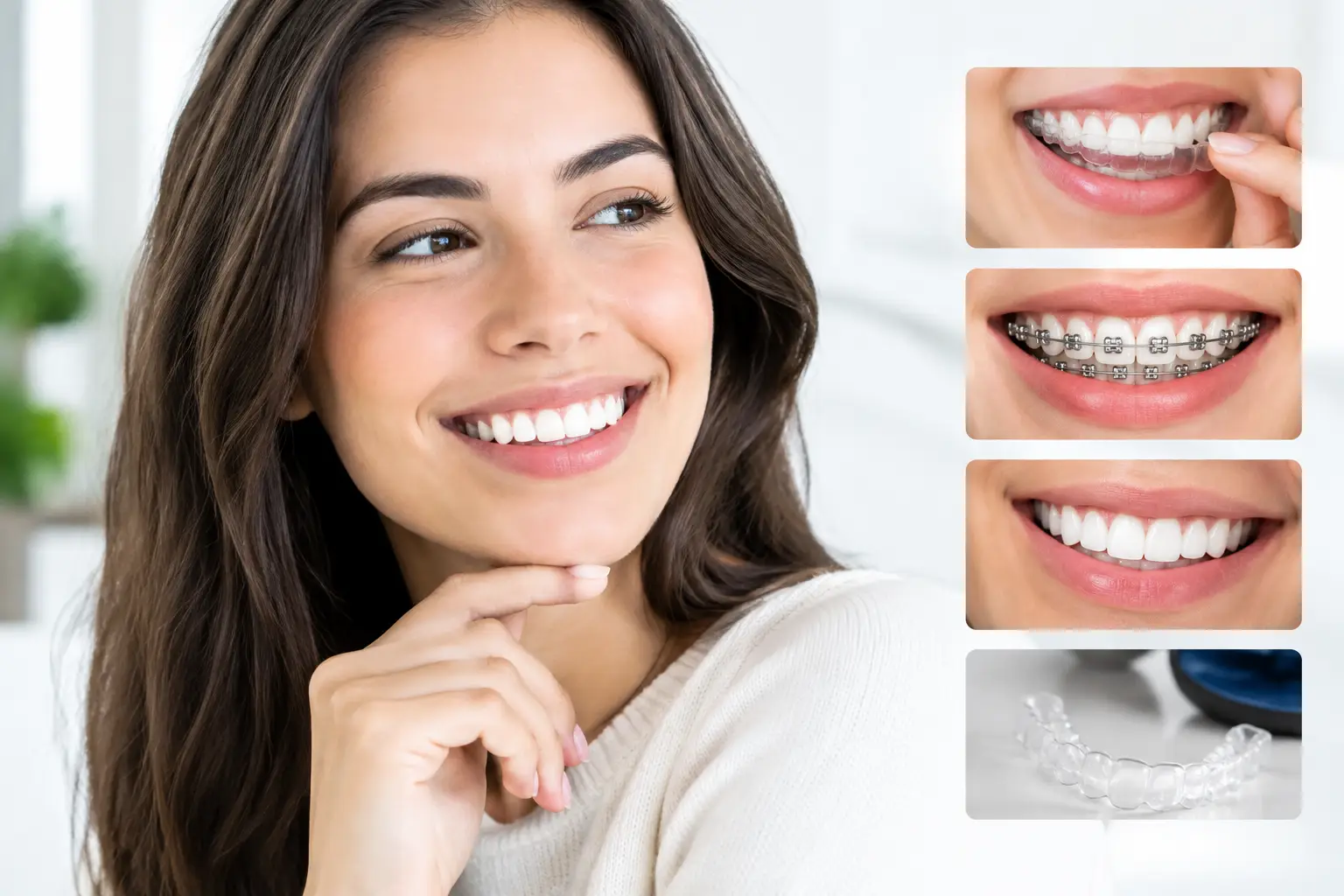
Clear aligners use a series of custom-made trays to gradually move teeth into better positions. They are popular with busy adults because the trays are removable and nearly invisible in everyday conversations, meetings, and photos.
Aligners can be an excellent option for mild to moderate spacing, crowding, relapse after prior braces, and certain bite concerns. You remove them for meals and for brushing and flossing, which can make maintaining oral hygiene easier than with fixed braces.
They do require consistency. Most patients need to wear aligners about 20 to 22 hours each day for treatment to stay on track. Leaving them out frequently, forgetting to switch trays as directed, or failing to attend monitoring appointments can extend treatment time. Some more complex rotations, severe crowding, or major bite corrections may respond more predictably to braces.
Braces for Precise, Comprehensive Correction
Traditional braces remain one of the most reliable treatments for significant tooth movement. Brackets and wires allow the dentist or orthodontic provider to apply steady, precise pressure, making braces especially useful for complex crowding, teeth that need vertical movement, severe rotations, and bite discrepancies.
Braces are fixed in place, so they do not depend on daily wear habits in the way aligners do. That can be helpful for teens and for adults who prefer not to manage removable trays. Today’s orthodontic options can be more comfortable and streamlined than many people expect, but they still require thoughtful cleaning around brackets and wires.
The trade-off is visibility and convenience. Certain crunchy, sticky, or hard foods need to be avoided, and brushing takes more time. For patients whose alignment needs are more involved, however, the added control can make braces the more efficient path to a healthier result.
Veneers for Select Cosmetic Concerns
Porcelain veneers are thin, custom restorations bonded to the front surfaces of teeth. They can create the appearance of a straighter, more balanced smile by improving the shape, color, and visible alignment of teeth.
Veneers may be appropriate when crookedness is minor and paired with concerns such as worn edges, chips, uneven tooth shapes, or discoloration that does not respond well to whitening. They are not orthodontics. Veneers do not physically move teeth or correct a bite problem, and they may not be the right choice when teeth are significantly crowded, protruding, or difficult to clean.
Because veneers often involve modifying a small amount of enamel, the decision deserves careful planning. A thoughtful cosmetic evaluation can determine whether orthodontic movement first, followed by conservative cosmetic work if desired, will provide the most natural and durable outcome.
Dental Bonding for Small, Targeted Adjustments
Dental bonding uses tooth-colored composite material to refine a tooth’s shape, close small gaps, or make a slightly rotated tooth appear more even. It is typically more conservative and less costly than veneers, making it useful for minor aesthetic changes.
Bonding has limits. It can stain, chip, or wear over time, particularly for patients who grind their teeth or bite into hard foods. It also cannot resolve substantial crowding or bite issues. Still, it can be a practical finishing touch after aligners or as a conservative option for a very small concern.
When Crooked Teeth Need More Than Cosmetic Treatment
Sometimes the concern is not only the appearance of the teeth. If you experience jaw discomfort, uneven wear, frequent biting of the cheeks, speech changes, headaches related to clenching, or difficulty cleaning between crowded teeth, a more comprehensive evaluation is worthwhile.
Gum disease and untreated cavities should be addressed before orthodontic treatment begins. Teeth move best in a healthy foundation of bone and gum tissue. If a tooth is missing or damaged, the treatment order also matters. Aligning surrounding teeth before a bridge, implant, or other restoration can create better spacing and a more balanced final result.
For children and teens, growth can influence treatment planning. For adults, treatment can still be highly successful, but the plan may account for existing crowns, fillings, gum recession, and prior orthodontic history. Age alone does not determine the right option.
What to Expect From a Personalized Treatment Plan
A good consultation should feel like a conversation, not a sales pitch. Your care team should ask what you want to change, whether your priority is discretion, speed, budget, bite function, or a combination of these goals.
After an exam and imaging, you should understand which treatments are appropriate, how long each may take, what the expected maintenance involves, and what happens if treatment is delayed. Ask whether your plan includes retainers, refinements for aligners, and any needed cosmetic finishing work. Clear expectations make it easier to choose with confidence.
At West Hollywood Smile Dental, comprehensive care makes it possible to coordinate preventive, orthodontic, cosmetic, and restorative needs in one comfortable setting. That continuity is especially valuable when straightening teeth is only one part of improving your overall smile.
Retainers Protect the Result You Worked For
Whether you choose braces or clear aligners, retention is not optional. Teeth naturally have a tendency to shift, particularly during the first months after active treatment. A custom retainer helps hold them in their new positions while supporting a stable result.
Your dentist will recommend a wear schedule based on your treatment and individual needs. Many patients eventually transition to nighttime wear, but stopping too soon can allow teeth to move again. Keep retainers clean, store them safely, and bring them to checkups if you notice looseness, cracks, or changes in fit.
The best treatment is the one that addresses your actual needs, fits realistically into your routine, and is planned with your long-term oral health in mind. A professional evaluation can turn a vague wish for a straighter smile into a clear, comfortable path forward.