Invisalign vs Braces Cost: What to Expect
If you have been comparing invisalign vs braces cost, you are probably not just asking about price. You are also asking what fits your lifestyle, how visible treatment will be, how long it may take, and whether the result will feel worth it when all is said and done.
That is the right way to think about it. Orthodontic treatment is an investment in appearance, comfort, and long-term dental health. The lower sticker price is not always the better value, and the more expensive option is not always the better choice for your smile.
Invisalign vs braces cost at a glance
In many cases, traditional braces cost around $3,000 to $7,000, while Invisalign often falls between $3,500 and $8,000. Those ranges can overlap quite a bit, which surprises many patients. A simple Invisalign case may cost about the same as braces, while a more complex case may push the fee higher.
Why the wide range? Because orthodontic pricing depends less on the brand name of the treatment and more on the complexity of your bite, how much tooth movement is needed, how long treatment will take, and what kind of follow-up care is included.
A patient with mild crowding may have a very different treatment plan from someone with significant spacing, a deep bite, or rotating teeth that are harder to move. Two people can both ask for aligners and receive very different quotes.
What affects the cost most
The biggest driver of cost is complexity. Mild cosmetic alignment issues are generally less expensive to treat than bite problems involving multiple teeth, jaw positioning, or significant crowding. If your case takes longer, needs more attachments, or requires refinements, the total cost may rise.
The second factor is the type of provider and technology used. Offices that use advanced imaging, digital scanning, and detailed treatment planning may charge differently than practices offering more basic workflows. That does not mean one is automatically overpriced. It often reflects the level of customization, comfort, and oversight involved.
Geography matters too. In areas like West Hollywood, Beverly Hills, and greater Los Angeles, dental care fees may be higher than the national average because overhead, staffing, and demand are different. Still, patients often value having experienced care close to home, especially for a treatment that requires regular check-ins.
Why Invisalign can cost more than braces
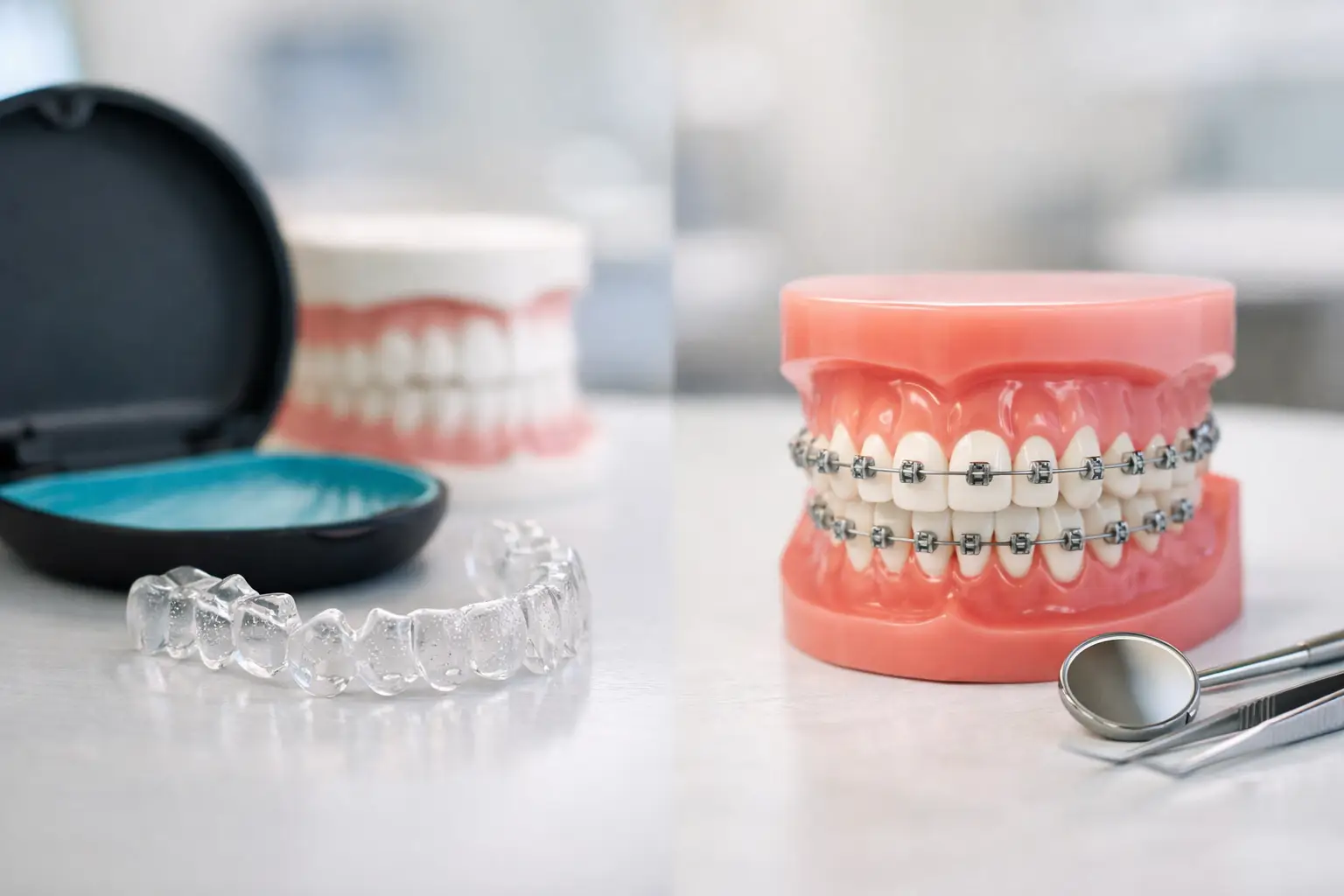
Invisalign is often viewed as the premium option because it is removable, discreet, and built around custom-made clear aligners. For adults and teens who care about appearance at work, in social settings, or in photos, that convenience can be a major advantage.
There is also more behind the scenes than many people realize. Invisalign treatment depends on digital planning, staged aligner manufacturing, and close monitoring to make sure teeth are tracking properly. If teeth do not move exactly as expected, additional aligners may be needed. In some cases, these refinements are included. In others, they affect the final fee.
That said, Invisalign is not always more expensive. Some mild to moderate cases can land very close to the price of braces. The only reliable way to know is to have your teeth evaluated in person.
When braces may be the better value
Braces are often the better value for complex orthodontic problems. If you have major crowding, severe rotation, significant bite issues, or tooth movements that require more control, braces may be the more efficient and predictable choice.
They also remove one major variable: patient compliance. Since braces stay on your teeth, they work full time. Invisalign only works as planned if you wear the aligners as directed, usually 20 to 22 hours a day. If you frequently remove them or forget to put them back in, treatment can drag on. That can turn a convenient option into a frustrating one.
For some patients, especially younger teens or adults with busy schedules, braces may offer stronger value simply because they reduce the risk of treatment delays caused by inconsistent wear.
Invisalign vs braces cost and insurance
Dental insurance can help with either option, but coverage varies. Many orthodontic benefits contribute a fixed lifetime amount rather than paying a percentage of the full fee. For example, a plan may cover up to $1,500 or $2,000 toward orthodontics whether you choose braces or Invisalign.
Some patients assume insurance only covers braces. That is not always true. Many plans now include clear aligners under orthodontic coverage, but there can still be restrictions based on age, medical necessity, or plan details.
This is one reason a clear financial breakdown matters. You want to understand the full treatment fee, what insurance is expected to pay, what your out-of-pocket cost will be, and whether monthly payment options are available. A straightforward office will walk you through that clearly.
Do hidden costs come up later?
They can, which is why this question is worth asking early. Not every quote includes the same things. Some treatment plans bundle retainers, refinement trays, follow-up visits, and emergency appointments into one fee. Others do not.
With braces, you may want to ask whether broken brackets, replacement wires, final retainers, and post-treatment retention visits are included. With Invisalign, ask whether additional aligners, lost tray replacements, and retainers are part of the quoted price.
A lower upfront fee can look attractive until you realize important parts of treatment are billed separately. Transparency matters just as much as the number itself.
Cost is only one part of the decision
Most adults do not choose orthodontic treatment based on dollars alone. They choose based on what they can realistically live with for months or years.
If you want the most discreet option and feel confident you will wear aligners exactly as directed, Invisalign may be worth paying a bit more for. It is popular for professionals, patients in client-facing roles, and anyone who wants to straighten teeth with less visibility.
If you want a treatment that does not depend on your daily discipline and may handle more difficult tooth movement with greater control, braces may be the smarter path. They are visible, but they are dependable.
Comfort also plays a role. Invisalign trays can feel smoother to many patients because there are no brackets or wires rubbing against the cheeks. Braces, on the other hand, avoid the routine of removing aligners before every meal and cleaning them throughout the day. What feels easier depends on your habits.
Which option is faster?
Sometimes Invisalign is faster. Sometimes braces are. It depends on your case.
Minor cosmetic corrections may move quickly with aligners. More complex cases may be treated more efficiently with braces. The important thing is not which option sounds faster in general, but which one is likely to work best for your specific bite and goals.
This is where personalized care matters. A thoughtful dentist or orthodontic provider should not push one system for every patient. They should explain what your teeth need, what each option can realistically accomplish, and where the trade-offs are.
How to think about value, not just price
The best orthodontic treatment is the one that gives you a healthy, stable result you can maintain. If a cheaper option leaves important bite issues untreated, it may not be the best value. If a more expensive option fits your life so well that you actually complete treatment successfully, that may be money well spent.
It also helps to think beyond straightness. Correcting alignment can make brushing and flossing easier, reduce uneven wear, improve bite function, and support long-term oral health. Those benefits are hard to measure in a simple price comparison, but they matter.
At a full-service office like West Hollywood Smile Dental, patients often appreciate being able to discuss orthodontic treatment in the context of their overall dental health, not as an isolated decision. If you also need preventive care, cosmetic work, or restorative treatment, coordinated planning can make the process easier and more efficient.
Questions worth asking at your consultation
Before choosing between aligners and braces, ask what is included in the quoted fee, how long treatment is expected to take, whether retainers are separate, how many visits you should expect, and what happens if treatment needs refinement. You should also ask which option your provider would choose if cost were not the deciding factor.
That last question often leads to the most honest answer. It shifts the conversation from sales to care.
When you compare invisalign vs braces cost, the smartest move is not chasing the cheapest number. It is choosing the treatment that fits your teeth, your routine, and your goals well enough that you will be happy with the process and the smile waiting at the end.

Emergency Dentist for Tooth Pain: When to Go