A tooth that looks shorter, flatter, more translucent at the edge, or suddenly sensitive to cold can be more than a cosmetic concern. The best solutions for worn teeth begin with understanding what is removing tooth structure in the first place. Wear can come from nighttime grinding, a bite that places too much force on certain teeth, acidic foods or reflux, and ordinary years of use. Often, more than one factor is involved.
A dental visit is the right place to sort out the cause and the level of damage. Some wear is mild and can be monitored; other cases need protection or restoration before cracks, sensitivity, or bite changes become more significant. There is no one “right” treatment for every worn smile, and a good conversation should never make you feel pressured to change your appearance.
Why teeth wear down
Tooth enamel is the hard outer layer of a tooth, but it is not indestructible. Grinding and clenching, also called bruxism, can flatten chewing surfaces and chip edges over time. The American Dental Association notes that bruxism may occur during sleep or while awake, and it can be associated with jaw discomfort, tooth wear, and damaged restorations.
Acid wear is different. Frequent exposure to acid can soften enamel, making it easier to wear away with brushing or chewing. Citrus, soda, sports drinks, and recurring acid reflux can all play a role. A dentist may also look at whether missing teeth, older fillings, or an uneven bite are concentrating force on a small group of teeth.
Not every short tooth is actively wearing down. Teeth can naturally vary in shape, and older wear may be stable. The key question is whether changes are continuing and whether your teeth, bite, or jaw are becoming uncomfortable.
Best solutions for worn teeth depend on the cause
The most conservative option that protects your teeth is often worth discussing first. Treatment may focus on slowing further wear, rebuilding lost structure, or both. Your dentist will consider how much healthy tooth remains, where the wear is located, your bite, your oral health, and what matters to you about function and appearance.
Monitoring and preventive changes
When wear is limited and stable, regular examinations may be appropriate. Your dentist can document the tooth surfaces and watch for meaningful change. If acid exposure is suspected, the conversation may include diet patterns or whether you should speak with your physician about frequent reflux. This is not about blame. It is about identifying small, realistic changes that may help preserve the enamel you have.
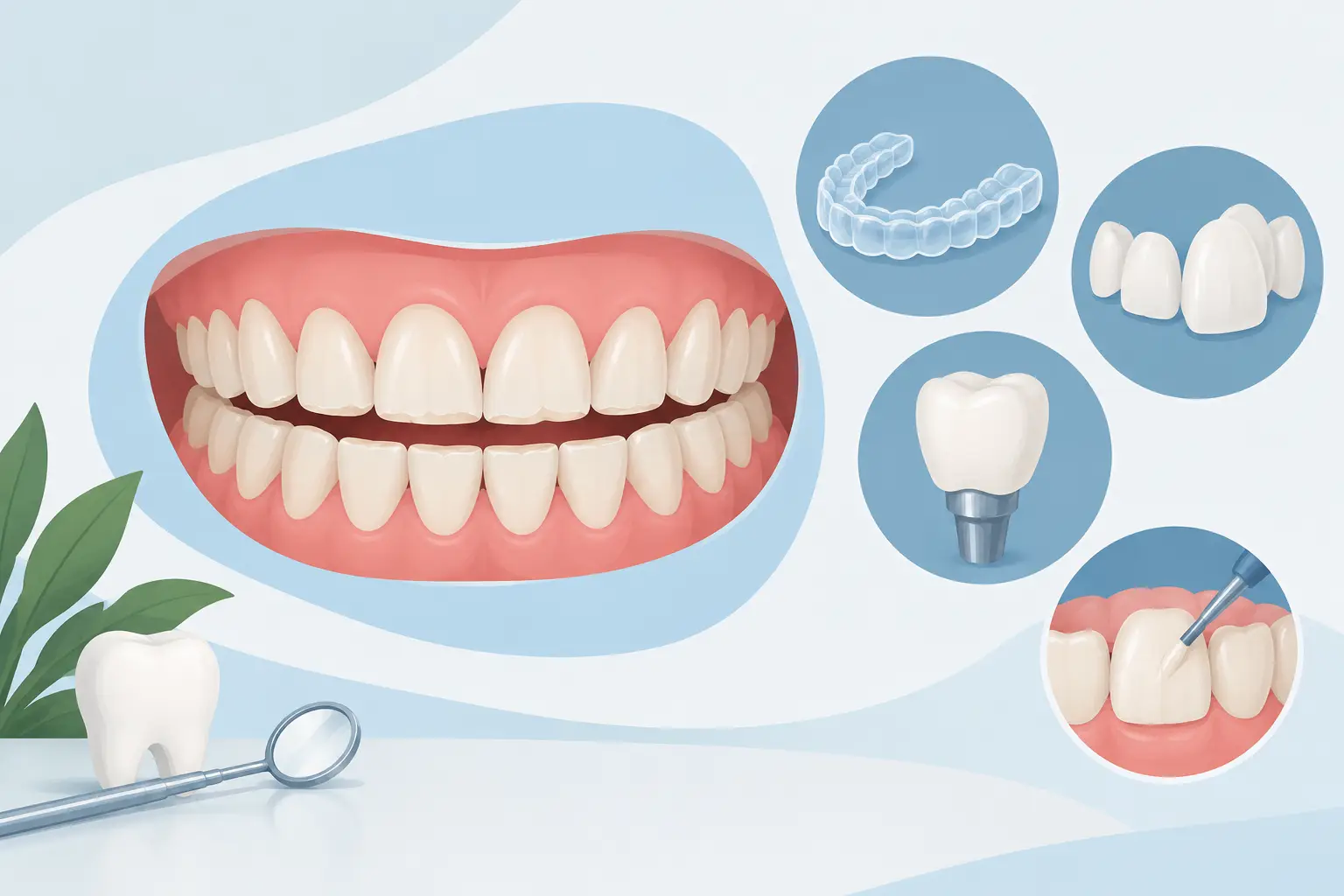
For people who clench or grind, stress, sleep habits, medications, and bite patterns may all be relevant. A custom oral appliance may be recommended in some situations to help protect teeth during sleep. It does not correct every cause of grinding, and it is not a replacement for evaluating pain, broken teeth, or a changing bite, but it can be an important protective measure for the right patient.
Dental bonding for small chips and edge wear
Bonding uses tooth-colored composite resin to rebuild a chipped or worn edge. It can be a conservative choice when the damage is localized and there is enough healthy tooth structure to support it. It may also help restore a more even outline when front teeth have become slightly uneven.
Bonding has trade-offs. Composite can stain, chip, or wear over time, particularly if you bite your nails, chew ice, or grind heavily. It may need maintenance or replacement. Still, its ability to preserve more natural tooth structure can make it a sensible option for select cases.
Veneers for front-tooth appearance and shape
Veneers are thin custom coverings placed on the front surfaces of teeth. They may be considered when visible front teeth have worn edges, changes in shape, or other cosmetic concerns that cannot be addressed predictably with bonding alone. A veneer plan should account for the bite, because restorations placed on teeth that receive heavy grinding forces can be more vulnerable to damage.
Veneers are not automatically the best choice simply because worn teeth are visible. They involve a permanent treatment decision, and some tooth preparation may be needed depending on the case. Ask how much natural enamel can be preserved, whether your bite has been evaluated, and what alternatives would be reasonable for your goals.
Crowns when a tooth needs more coverage
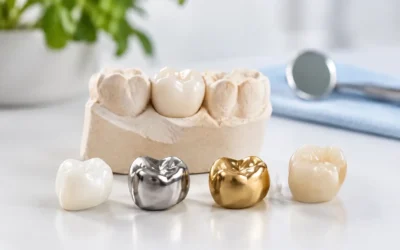
A crown covers the entire visible portion of a tooth above the gumline. It may be recommended when wear is extensive, a tooth is cracked, a large portion has broken away, or an existing restoration no longer provides adequate support. Crowns can restore shape and chewing function, but they require preparation of the tooth and are generally reserved for situations where a more conservative restoration would not offer dependable support.
If several teeth are severely worn, planning becomes especially important. Restoring one tooth without considering the opposing tooth and the overall bite can create new pressure points. A dentist may recommend a phased plan so the bite, appearance, and long-term protection are considered together.
Replacing missing teeth when they affect the bite
A missing tooth can allow neighboring teeth to shift and may alter how force is distributed when you chew. Depending on the situation, replacing it can be part of a broader restorative plan for worn teeth. The appropriate choice depends on the location of the space, gum and bone health, adjacent teeth, and the condition of the rest of the bite. It is not necessary or appropriate to assume that every gap is the reason for wear, but it is worth evaluating.
Questions to bring to a worn-teeth consultation
A clear consultation should give you room to ask questions, especially if you are weighing cosmetic and restorative options. Consider asking: What do you think is causing my wear? Is it active or stable? Which teeth need treatment now, and which can be monitored? Could a night guard or another protective step help? What are the benefits and limits of bonding, veneers, or crowns in my case? How would each option affect my bite and the amount of natural tooth preserved?
You can also ask to see where wear is occurring and why a particular treatment is being recommended. The National Institute of Dental and Craniofacial Research describes tooth decay and tooth damage as conditions best assessed through professional dental examination, rather than self-diagnosis from photos or symptoms alone. That is particularly relevant when sensitivity, cracks, jaw soreness, or a recent bite change is involved.
When to schedule an evaluation sooner
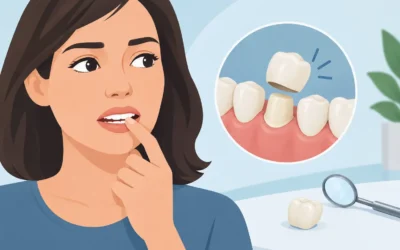
Do not wait for a routine visit if a tooth has cracked, a filling or crown has broken, chewing hurts, or you have persistent sensitivity. A tooth that suddenly feels taller, hits first when you close, or has a sharp edge can also deserve timely attention. These signs do not tell you exactly what is wrong, but they are useful details to share when requesting an appointment.
For West Hollywood patients who want a gentle, personalized conversation about worn teeth, West Hollywood Smile Dental can help you understand the findings and discuss options that fit your needs. Bring any concerns about grinding, sensitivity, reflux, or changes you have noticed. A thoughtful plan starts with protecting your natural teeth where possible and choosing treatment only when it serves your comfort, health, and goals.
Sources for further clinical context
American Dental Association, information on bruxism and oral health. National Institute of Dental and Craniofacial Research, patient education on dental conditions and professional evaluation.