
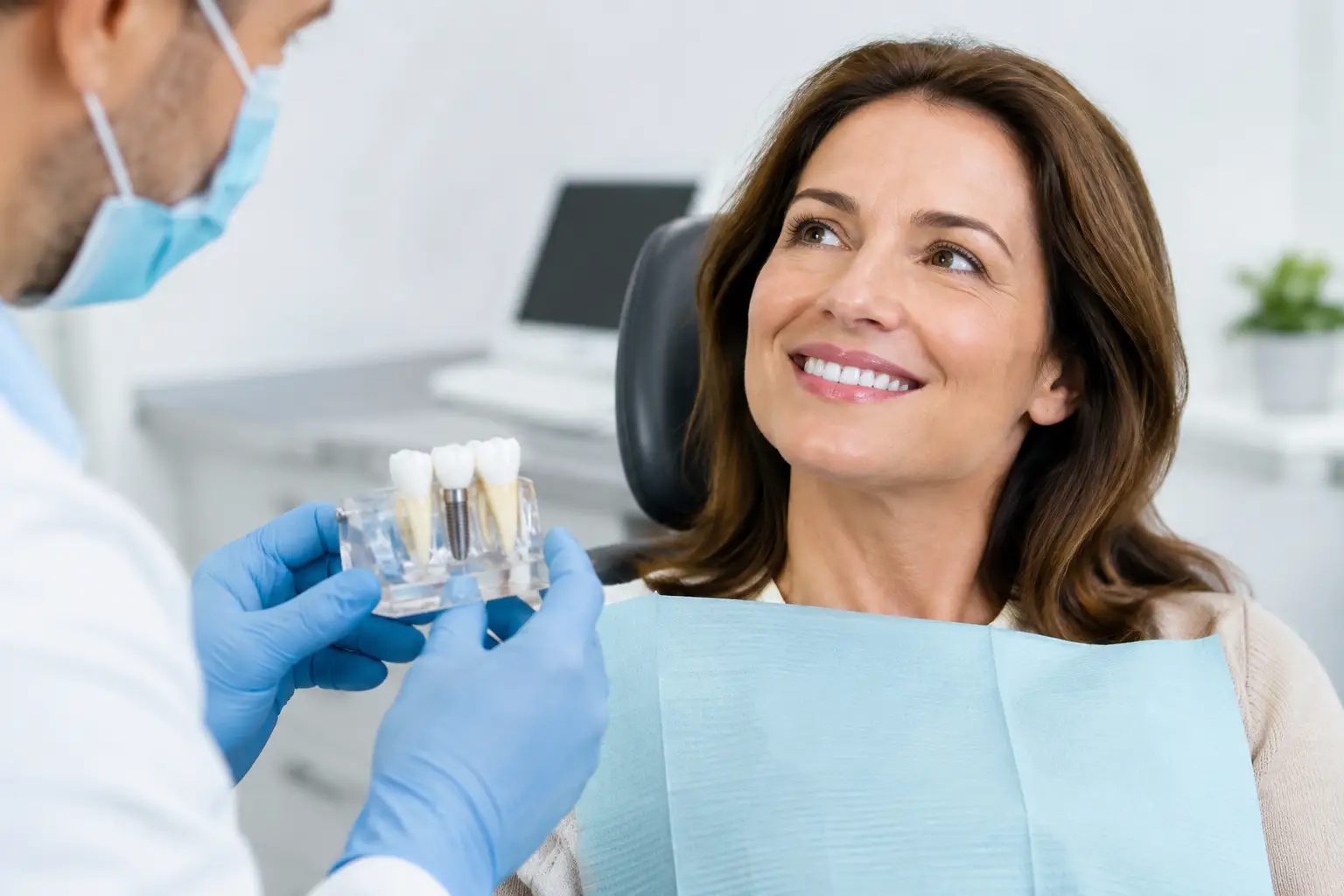
A missing tooth can change more than your smile. It may affect how confidently you speak, which foods feel comfortable to eat, and how your remaining teeth fit together over time. Dental implant eligibility is the first question many patients ask when they want a secure, natural-looking replacement – and the answer is often more encouraging than they expect.
An implant is not a one-size-fits-all procedure. Your dentist will look at your oral health, bone support, medical history, and goals to create a treatment plan that is safe, predictable, and built around you. Some patients are ready for treatment right away. Others may benefit from a little preparation first, such as treating gum disease or rebuilding bone. Neither path means you have missed your opportunity for a healthier smile.
Dental Implant Eligibility: What Your Dentist Assesses
Dental implants replace a missing tooth root with a small post placed in the jawbone. Once it has integrated with the bone, it can support a custom crown, bridge, or denture. Because the implant relies on the surrounding bone and gum tissue, a thoughtful evaluation is essential.
Your consultation should include a complete exam, digital imaging, and a conversation about your medical history and expectations. The goal is not simply to decide whether an implant can be placed. It is to determine how to make the treatment comfortable, functional, and lasting.
Healthy gums and a stable foundation
Healthy gum tissue is one of the most important parts of successful implant treatment. Active gum disease can weaken the tissues and bone around teeth, and it can increase the risk of complications around an implant. Bleeding gums, persistent bad breath, gum recession, or loose teeth are signs that deserve attention before surgery.
This does not automatically rule out implants. Deep cleaning, periodontal treatment, and better home care can often stabilize the mouth first. Taking the time to address inflammation protects both your investment and your long-term oral health.
Enough bone to support the implant
A dental implant needs adequate jawbone for support. After a tooth is lost, the body gradually begins to resorb bone in that area. This process can happen more quickly than people realize, especially after an extraction, which is why replacing a missing tooth sooner can sometimes simplify treatment.
Digital X-rays and 3D imaging help your dentist measure bone height, width, and density. If there is not enough bone in the planned area, a bone graft may make treatment possible. A sinus lift may be recommended for some upper back teeth when the sinus space limits available bone. These additional steps can extend the timeline, but they may create a more stable result.
Overall health and healing ability
Many adults with common health conditions can receive dental implants successfully. What matters is whether a condition is well managed and whether your care team can plan appropriately. Diabetes, for example, does not necessarily prevent implants, but uncontrolled blood sugar can slow healing and raise infection risk.
Your dentist should know about medications, past surgeries, allergies, autoimmune conditions, and treatments such as radiation therapy to the head or neck. Certain osteoporosis medications and blood thinners may require coordination with your physician. Honest health information is not a barrier to care – it is how your dental team keeps your treatment safe.
Tobacco and nicotine use
Smoking and other nicotine use can reduce blood flow and interfere with healing. It is associated with a higher risk of implant failure and gum complications. Vaping is not a risk-free alternative, since nicotine itself can affect healing.
Patients who smoke may still be candidates, but the conversation needs to be direct. Reducing or stopping nicotine use before and after treatment can make a meaningful difference. Your dentist can explain the timing and precautions that fit your situation.
Age, Missing Teeth, and Timing
Most adults are old enough for implants once jaw growth is complete. For teenagers and younger patients, the jaw may still be developing, so a different temporary or restorative solution is often safer until growth has stabilized.
There is no upper age limit for dental implants. A healthy 75-year-old may be an excellent candidate, while a younger patient with uncontrolled periodontal disease may need treatment before moving forward. Eligibility is about health, healing, and the specific needs of your mouth – not a number on a birthday card.
Implants can replace one tooth, several teeth, or an entire arch of missing teeth. A single implant can support one crown without altering neighboring healthy teeth. Multiple implants may support a fixed bridge, while implant-retained dentures can improve stability for patients tired of loose or uncomfortable removable dentures. The best option depends on where teeth are missing, the condition of remaining teeth, available bone, and your budget.
When You May Need Treatment Before an Implant
Being told that you need preparatory care should not feel like a rejection. It often means your dentist is planning for a better result rather than rushing to surgery. Depending on your exam, treatment may begin with periodontal care, an extraction, bone grafting, or a temporary tooth replacement while the site heals.
If a damaged tooth can be predictably saved with restorative treatment, keeping your natural tooth may be the best choice. Dental implants are an exceptional solution for missing or non-restorable teeth, but they are not meant to replace a tooth that still has a strong prognosis. A trustworthy recommendation weighs the long-term health of your natural teeth alongside the benefits of an implant.
Some patients may not be ready for implants because of untreated infection, severe medical instability, or an inability to maintain regular oral hygiene and follow-up care. In these situations, your dentist can discuss alternatives such as bridges or removable dentures and revisit implant treatment when circumstances improve.
What the Implant Process Usually Looks Like
After your evaluation, the process is customized to your needs. If no grafting or extraction is required, implant placement may be the next step. The procedure is performed with careful planning and comfort in mind. For patients who feel anxious about dental treatment, options such as oral sedation may help make the experience feel more manageable.
Following placement, the implant needs time to integrate with the bone. Healing time varies based on the location of the implant, bone quality, and whether grafting was needed. Once the implant is stable, your dentist takes impressions or digital scans for a custom restoration designed to blend with your smile and bite.
The final crown, bridge, or denture is not only about appearance. It must also be shaped to support comfortable chewing, clear speech, and proper cleaning. A well-planned restoration should feel natural in daily life while allowing you to care for the gums around it.
Questions Worth Asking at Your Consultation
A good implant consultation should leave you informed, not pressured. Ask what your imaging shows, whether grafting is recommended, how long your treatment is expected to take, and what type of final restoration is being proposed. It is also reasonable to ask about comfort options, expected maintenance, risks specific to your health history, and the full cost of each phase of care.
Implants require ongoing attention after placement. Brushing twice daily, cleaning between teeth or around implant restorations, and keeping routine dental visits are essential. Unlike a natural tooth, an implant cannot develop a cavity, but the gum and bone around it can become inflamed without consistent care.
For patients in West Hollywood and the greater Los Angeles area, having an implant evaluation in a practice that also provides preventive, restorative, and cosmetic care can make the experience more coordinated. Your team can address the health of your entire smile rather than treating one missing tooth in isolation.
The most useful next step is a personal evaluation. Even if you have been told before that you lack enough bone, have gum concerns, or are unsure whether your health history qualifies you, treatment options may have changed. A careful conversation and detailed imaging can replace uncertainty with a clear, comfortable path toward the smile you deserve.