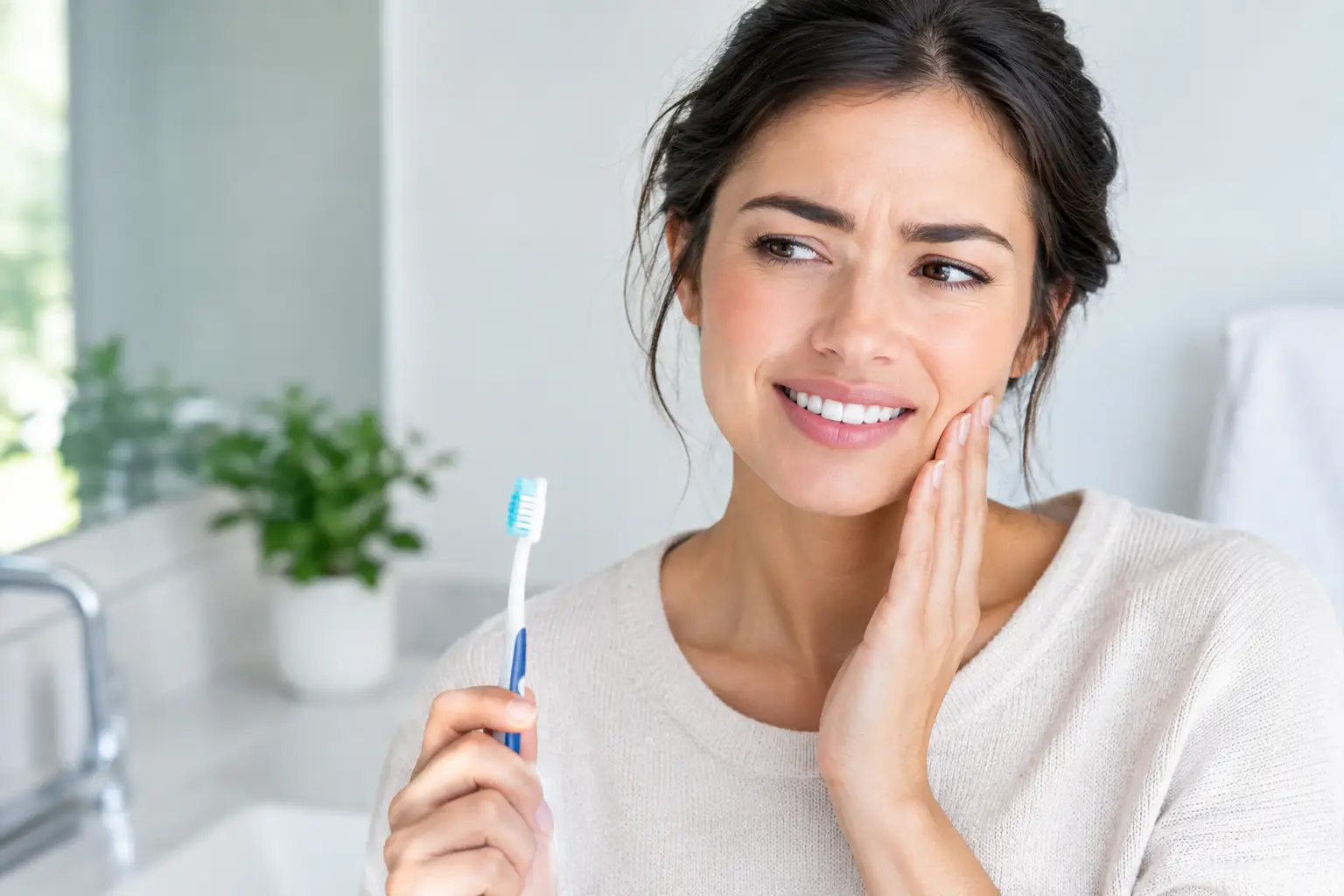
That sharp jolt from iced coffee, a bite of something sweet, or even a breath of cool air can turn an ordinary moment into one you brace for. The good news is that you can often reduce tooth sensitivity with the right daily habits and dental care. The key is not simply covering up the discomfort. It is finding out why the tooth is reacting in the first place.
Sensitivity is common, but it should not become something you quietly tolerate. For some people, a few small adjustments make a meaningful difference. For others, sensitivity is an early sign of enamel wear, gum recession, a cracked tooth, decay, or an old restoration that needs attention. A personalized exam can separate a manageable sensitivity issue from a problem that needs treatment.
Why teeth become sensitive
Each tooth has a protective outer layer called enamel. Below the gumline, the roots are protected by cementum, which is much thinner than enamel. When enamel wears down or gums recede, tiny channels in the dentin beneath become exposed. Hot, cold, sweet, acidic, or acidic foods can then trigger the nerve inside the tooth, creating the quick, sharp sensation many people recognize as sensitivity.
Brushing too hard is a frequent contributor, especially when paired with a firm-bristled toothbrush or abrasive whitening toothpaste. Gum disease, clenching and grinding, frequent acidic drinks, cavities, cracked teeth, and worn fillings can also play a role. Recent whitening treatment may cause temporary sensitivity as well.
The pattern matters. A brief twinge that happens with cold water may be different from pain that lingers after a hot drink or wakes you at night. Lingering, spontaneous, or worsening pain deserves prompt evaluation because it can point to deeper inflammation or infection.
How to reduce tooth sensitivity at home
At-home care can be very effective when the source of sensitivity is exposed dentin or mild enamel wear. The goal is to protect the tooth surface and avoid repeated irritation.
Switch to a sensitivity toothpaste
Toothpaste made for sensitive teeth can help block pain signals or seal exposed dentin channels over time. Use it consistently, twice a day, rather than switching between products every few days. Most people need at least two to four weeks of regular use before deciding whether it is helping.
Brush gently with a soft-bristled toothbrush. Use small, controlled motions along the gumline instead of scrubbing back and forth aggressively. More pressure does not mean a cleaner mouth. In fact, it can wear away enamel and contribute to gum recession.
If your dentist recommends it, a small amount of sensitivity toothpaste can sometimes be applied directly to the sensitive spot before bed. Ask first, especially if you have significant pain or are unsure which tooth is causing the problem.
Be thoughtful about acids and temperature extremes
Lemon water, soda, sports drinks, wine, citrus, and frequent snacking on acidic foods can soften enamel. You do not necessarily have to eliminate every favorite food or drink, but frequency matters. Sipping an acidic beverage over several hours exposes your teeth more often than enjoying it with a meal.
After acidic foods or drinks, rinse with plain water and wait about 30 minutes before brushing. Brushing immediately while enamel is temporarily softened can increase wear. Using a straw for cold or acidic drinks may also help some people, although it is not a substitute for addressing the underlying cause.
Very cold foods can be a trigger when teeth are already sensitive. Choosing room-temperature water for a few weeks may make daily life more comfortable while you work on the source of the problem.
Protect your teeth from clenching and grinding
Many adults clench their jaw during stressful workdays or grind their teeth while asleep without realizing it. Over time, this pressure can create tiny cracks, flatten tooth surfaces, loosen restorations, and worsen sensitivity.
A custom night guard can be a worthwhile option when grinding is confirmed. Store-bought guards may offer limited protection, but they do not fit every bite properly and can feel bulky. A dental evaluation helps determine whether a custom appliance, bite adjustment, or another treatment is appropriate.
Pause whitening if your teeth are reacting
Whitening can cause short-term sensitivity, particularly if treatments are used too frequently or left on longer than directed. If discomfort begins, pause the product and speak with your dental team before continuing. Lower-strength options, shorter application times, or spacing treatments farther apart may be more comfortable.
Do not assume whitening-related pain is always harmless. A single tooth that becomes sharply sensitive may have a cavity, crack, or leaking filling that needs attention.
When sensitivity needs professional treatment
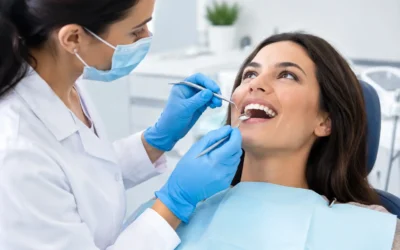
Home care is helpful, but it cannot repair a cavity, replace a failing filling, or treat an infection. A dental exam allows your provider to check for signs of decay, gum recession, cracks, bite pressure, and worn restorations. Dental X-rays may be recommended when the concern is not visible on the surface.
Depending on the cause, treatment may include a professional fluoride application, desensitizing treatment, a filling, bonding to protect an exposed root, gum care, or replacement of an old restoration. If a crack or deep cavity has reached the tooth’s nerve, root canal treatment may be the most reliable way to relieve pain while preserving the natural tooth.
This is why a one-size-fits-all answer does not work. Sensitivity from mild gum recession may respond well to toothpaste and fluoride, while sensitivity from a fractured tooth needs a different solution entirely. The most conservative effective treatment is usually the best place to start.
Signs you should not wait on
Schedule a dental visit soon if sensitivity lasts longer than a few weeks despite gentle home care, becomes more frequent, or occurs in one specific tooth. You should also be evaluated if hot foods trigger pain, discomfort lingers after the trigger is gone, or you notice swelling, a bad taste, a pimple-like bump on the gums, or pain when biting.
Seek urgent dental care for facial swelling, fever, trouble swallowing, or severe pain that is not controlled with over-the-counter medication. These symptoms can signal an infection that requires timely treatment.
A comfortable plan for sensitive teeth
Sensitive teeth can make routine pleasures feel stressful, from enjoying brunch to brushing before bed. You deserve clear answers and care that feels calm, gentle, and focused on your comfort. At West Hollywood Smile Dental, an exam can identify what is causing the sensitivity and help you choose a treatment plan that fits your needs, whether that means preventive care, restorative treatment, or protection for a worn tooth.
Start with a soft brush, a sensitivity toothpaste, and fewer acidic exposures. Then give persistent pain the attention it deserves. Addressing sensitivity early can protect your comfort today and help preserve your smile for years to come.