
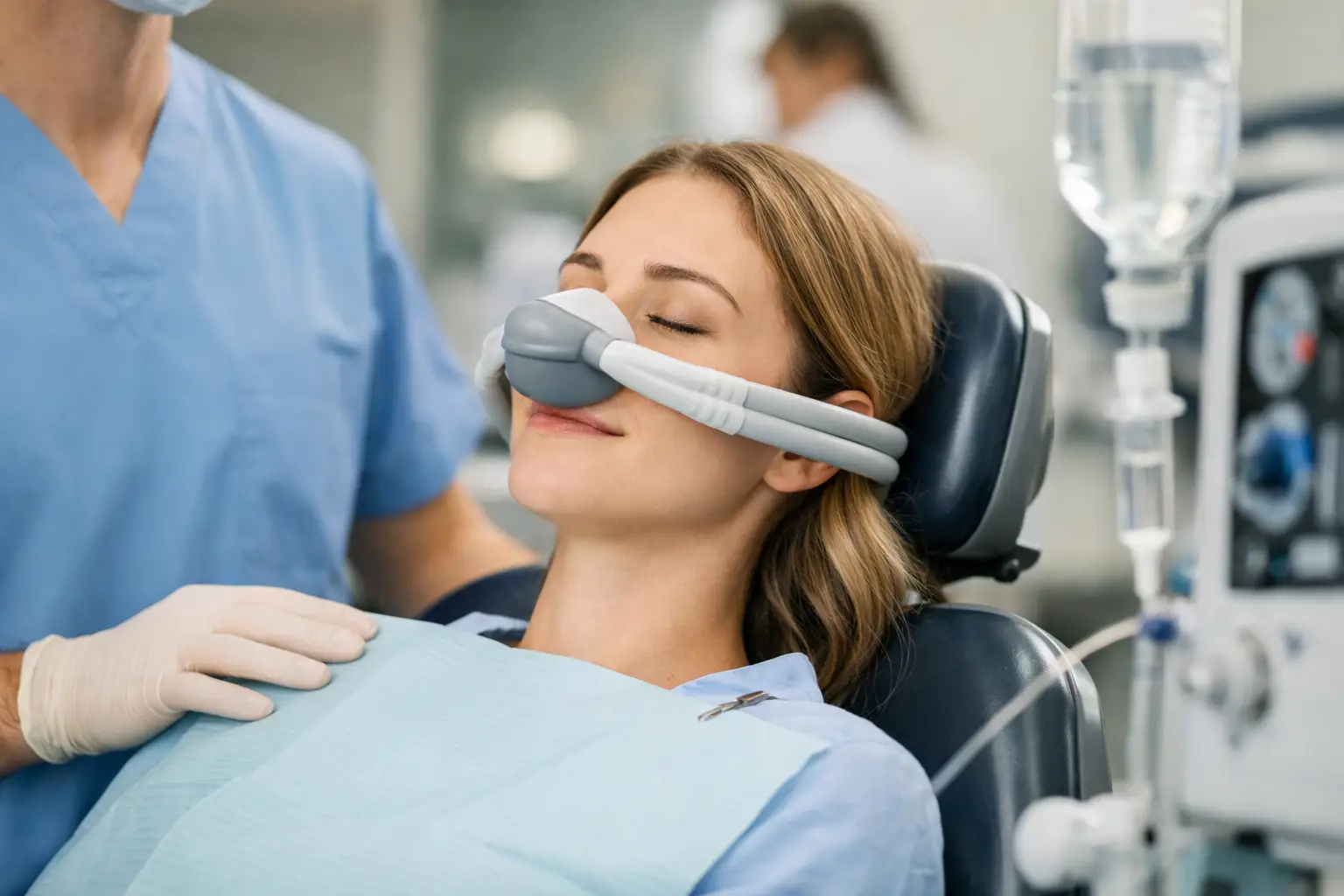
A dental appointment should not have to feel like something you spend weeks worrying about. If fear, a strong gag reflex, sensitive teeth, or a lengthy procedure has made care difficult, you may be asking, is sedation dentistry safe? For most appropriately screened patients, sedation can be a safe and effective way to receive needed treatment more comfortably. The key is not simply choosing sedation. It is choosing the right type, sharing your full health history, and receiving care from a trained dental team that monitors you carefully.
Is Sedation Dentistry Safe for Most Patients?
Yes, dental sedation has a strong safety record when it is used correctly. Before recommending it, your dentist should review your medical history, current medications, allergies, prior experiences with anesthesia, and the treatment you need. That conversation helps determine whether sedation is appropriate and, if so, which level is best for you.
Sedation is not the same as being unconscious for every procedure. Many patients remain awake, can respond to instructions, and breathe on their own. They simply feel calmer, less aware of time, and more able to relax through treatment. Local anesthetic is still used to numb the treatment area when necessary. Sedation addresses anxiety and comfort, while local anesthetic helps control pain.
Safety also depends on preparation and monitoring. A responsible care team checks vital signs as appropriate, uses medications and doses suited to the individual patient, and gives clear instructions for before and after the visit. Sedation may not be the right choice for everyone, but that is exactly why a personalized evaluation matters.
Understanding the Types of Dental Sedation
The word “sedation” covers several options with different levels of effect. Your dentist may recommend one approach based on your anxiety level, health history, procedure length, and how much support you want during the visit.
Nitrous oxide
Nitrous oxide, often called laughing gas, is inhaled through a small mask over the nose. It takes effect quickly and creates a light, relaxed feeling. You remain conscious and can communicate with the dental team. Its effects usually wear off rapidly once the gas is stopped, which means many patients can return to normal activities sooner, depending on their dentist’s instructions.
Oral sedation
Oral sedation involves taking a prescribed medication before your appointment. It is often a good option for patients with moderate dental anxiety or those having more involved treatment. You may feel drowsy and deeply relaxed, and you may remember little of the appointment afterward, but you can generally still respond when spoken to.
Because oral sedation can affect coordination, judgment, and alertness for hours, you need a responsible adult to drive you home and stay available as instructed. You should not plan to work, drive, make major decisions, or drink alcohol after your visit.
Deeper sedation options
For some surgical or complex procedures, deeper sedation may be considered. These options require additional training, equipment, and monitoring requirements. Not every dental office provides every type of sedation, and the appropriate option may involve a specialist-supported setting. What matters is that the level of sedation matches both the procedure and the patient’s individual needs.
Who May Need Extra Precautions?
Sedation is never a one-size-fits-all service. Certain health conditions do not automatically rule it out, but they may change the recommended approach or require medical clearance. Be especially thorough with your dentist if you have sleep apnea, heart or lung disease, uncontrolled diabetes, liver or kidney disease, a history of substance use disorder, or complications with anesthesia in the past.
Pregnancy, current breastfeeding, and certain medications also deserve a careful conversation. Sedatives can interact with medications for anxiety, sleep, pain, blood pressure, seizures, or other conditions. Even supplements and cannabis use can matter. Honest answers are not about judgment. They allow your dental team to make the safest recommendation for you.
Children and older adults require individualized planning as well. Age alone does not determine whether sedation is safe. Overall health, airway considerations, medication use, and the ability to follow recovery instructions are more useful factors.
What Makes a Sedation Visit Safer?
A safe experience begins before you sit in the dental chair. Your dentist should explain the proposed sedation method, its expected effects, possible side effects, alternatives, and what you need to do to prepare. You should have time to ask questions and understand the plan before agreeing to treatment.
Follow pre-appointment instructions exactly. Depending on the type of sedation, you may be asked not to eat or drink for a certain period, to take or avoid specific medications, or to wear comfortable clothing. Do not take an extra dose of any medication because you are feeling anxious. The prescribed dose and timing are part of the safety plan.
For oral or deeper sedation, arrange transportation in advance. A rideshare is not always an appropriate substitute for a trusted adult who can escort you home and help you settle in. Your dentist can tell you what level of support is needed for your specific appointment.
During treatment, the team should remain attentive to your comfort and response. Depending on the sedation level, this may include monitoring oxygen levels, heart rate, blood pressure, and breathing. You should also receive written recovery instructions that explain what is normal and when to call the office.
Common Side Effects and When to Call
Most side effects are temporary and mild. You may feel sleepy, groggy, dizzy, or slightly nauseated after sedation. Dry mouth and temporary memory gaps are also possible, particularly with oral medication. Resting at home, drinking fluids when permitted, and following your dentist’s instructions can help your recovery go smoothly.
Call your dental office promptly if you have persistent vomiting, worsening dizziness, unusual confusion that does not improve, trouble breathing, chest discomfort, swelling, or any symptom that concerns you. If you have severe breathing difficulty, loss of consciousness, or signs of a serious emergency, call 911.
The goal is not to make patients afraid of rare complications. It is to make sure you know that clear post-treatment guidance and access to your care team are part of quality sedation dentistry.
Questions to Ask Before Choosing Sedation
A good consultation should leave you feeling informed rather than pressured. Ask which sedation option is being recommended and why it fits your procedure and health history. Ask who will administer and monitor it, what training the team has, how long recovery usually takes, and whether you will need a companion after your visit.
You can also ask about alternatives. For a short appointment, extra time, gentle communication, noise-canceling headphones, or a lighter form of relaxation may be enough. For a patient who has avoided dentistry for years or needs several procedures completed comfortably, oral sedation may offer a more practical path forward. The best choice depends on your needs, not on a standard package.
At West Hollywood Smile Dental, comfort conversations are part of personalized care. Whether you are considering oral sedation for a restorative procedure or simply want a gentler approach to routine treatment, your concerns deserve to be heard before a plan is made.
Dental anxiety is common, and it should never be a reason to postpone care until a small problem becomes painful or complex. A thoughtful conversation about your health, your worries, and your options can help you receive treatment with greater calm and confidence.

Payment Options for Dental Treatment Explained