Do I Need a Root Canal? Signs to Watch
A tooth that suddenly throbs when you sip coffee, hurts when you bite, or keeps you up at night can make one question feel urgent: do I need a root canal? The short answer is maybe, but not every toothache leads to that treatment. What matters is why the tooth hurts, how long it has been happening, and whether the inner nerve tissue has been damaged or infected.
Root canals tend to sound more intimidating than they really are. In practice, they are designed to do one thing very well – remove infection, stop pain, and help save a natural tooth that might otherwise need to be extracted. For many patients, the bigger problem is waiting too long and hoping the pain will pass on its own.
When do I need a root canal?
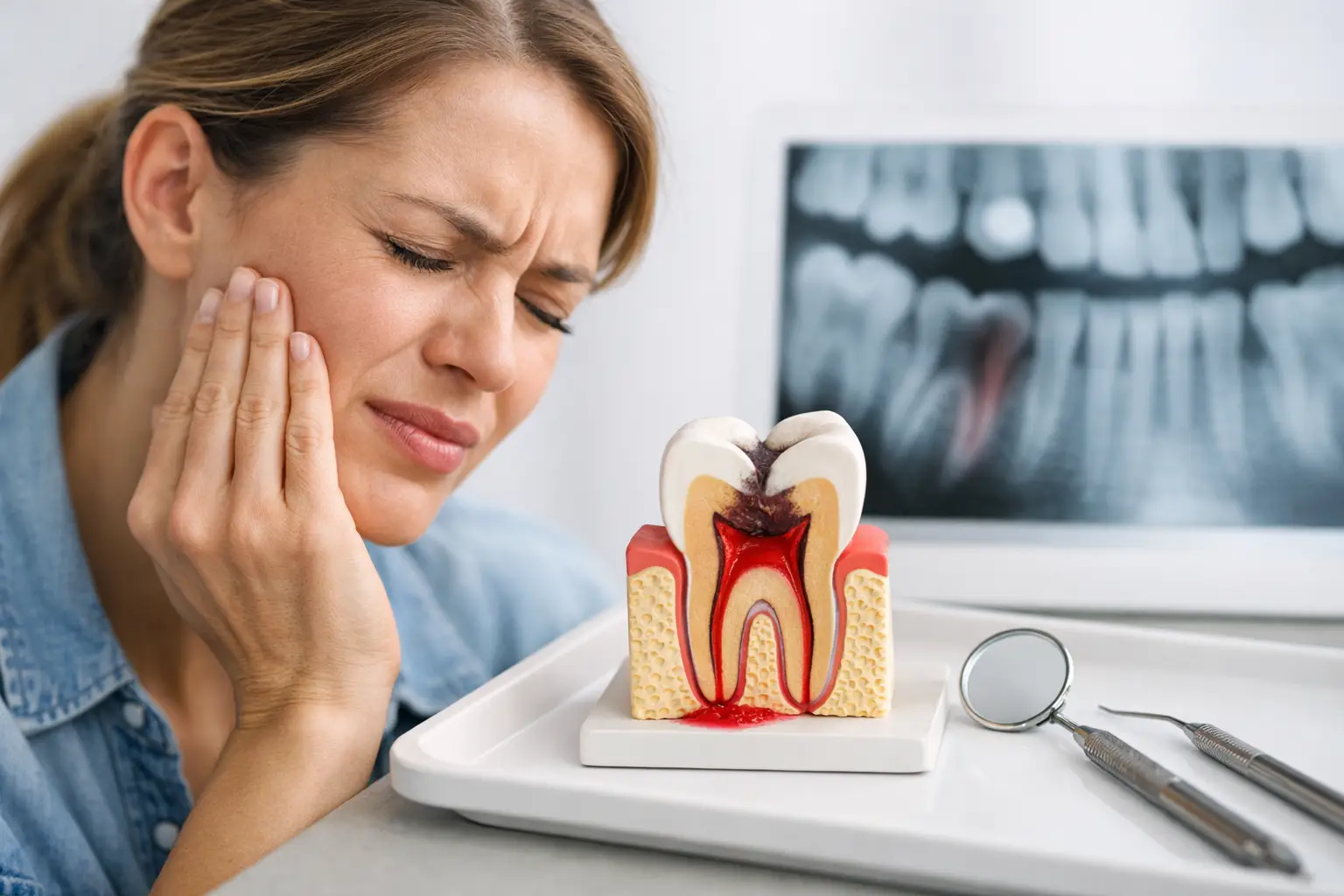
You may need a root canal when the pulp inside the tooth becomes inflamed, infected, or irreversibly damaged. The pulp contains nerves and blood vessels, and once bacteria reach that inner space, a regular filling is usually not enough to solve the problem.
This can happen because of a deep cavity, a cracked tooth, repeated dental work on the same tooth, or trauma from an injury. Sometimes the cause is obvious. Other times, a tooth looks mostly normal from the outside while the inside is badly inflamed.
That is why symptoms matter, but an exam matters just as much. X-rays, temperature testing, and a close look at the tooth and surrounding gums help determine whether the nerve can recover or whether root canal treatment is the best way to protect your oral health.
Common signs you may need a root canal
Pain is the symptom most people notice first, but it does not always show up the same way. Some patients feel a constant deep ache. Others only notice sharp pain when chewing or sensitivity that lingers long after something hot or cold touches the tooth.
A few signs that raise concern include severe tooth pain, prolonged sensitivity to heat or cold, swelling in the gums, tenderness when biting, and a small pimple-like bump near the tooth. You might also notice tooth discoloration, especially if the tooth starts looking darker than the ones around it.
Still, there is some nuance here. A tooth that reacts to cold for only a second may just need a filling. Gum inflammation can also mimic tooth pain. And not every infected tooth causes dramatic symptoms right away. Some people have very little pain even when the nerve is no longer healthy.
Pain that lingers is different from brief sensitivity
A quick zing from ice cream is not the same as pain that hangs on for 30 seconds or longer. Lingering sensitivity often points to deeper nerve irritation. If heat makes the tooth throb and the pain continues after the trigger is gone, that is especially worth getting checked promptly.
Pressure pain can signal internal damage
If chewing feels uneven or painful, the issue could be a cracked tooth, an infection around the root, or inflammation inside the pulp. Patients sometimes describe it as feeling like the tooth is bruised or too high when they bite down.
Swelling is a sign to take seriously
If you notice swelling in the gums, face, or jaw, or a bad taste draining from one area, infection may be present. That is not something to monitor casually. Dental infections can worsen and spread, and prompt treatment is the safest move.
What happens if you wait?
It is understandable to delay care when pain comes and goes. Many people hope the tooth will calm down, especially if their schedule is packed or they are nervous about treatment. The trouble is that infected pulp does not heal on its own.
Sometimes the nerve actually dies, and the pain decreases for a while. That can seem like good news, but it often means the problem has progressed deeper into the root and surrounding bone. At that point, swelling, abscess formation, and more complicated treatment can follow.
Waiting also affects your options. In the earlier stages, a tooth may still be treated conservatively. Once the infection is advanced, saving the tooth becomes harder and more expensive than addressing it sooner.
Do I need a root canal or just a filling?
This is one of the most common questions patients ask, and the answer depends on how far the decay or damage has reached. A filling repairs a cavity when the problem is limited to the outer tooth structure. A root canal treats the inside of the tooth when the nerve has been irreversibly affected.
The difference is not always visible without an exam. Two cavities can look similar on the surface, yet one only needs a filling while the other has already reached the pulp. The same goes for cracked teeth. A small crack may be manageable with a crown, while a deeper crack that irritates the nerve may require root canal treatment first.
The goal is not to recommend the bigger procedure by default. It is to match the treatment to the condition of the tooth so the problem is actually solved.
What a root canal really involves
A lot of anxiety around root canals comes from outdated stories. Modern treatment is typically much more comfortable than people expect, especially when the area is fully numb and the plan is clearly explained.
During a root canal, the damaged or infected pulp is removed, the inside of the tooth is cleaned and disinfected, and the root canals are sealed. In many cases, the tooth is then protected with a crown to restore strength and function.
Most patients are surprised that the procedure feels similar to getting a filling, just more involved and longer. In an office focused on gentle care and modern technology, comfort measures can make a major difference, especially for patients who feel nervous in the dental chair.
Can a root canal save my tooth long term?
Yes, in many cases it can. Saving a natural tooth is usually preferable when the tooth is restorable because it helps preserve chewing function, bite alignment, and the feel of your natural smile.
A root canal is not a magic fix for every situation, though. If a tooth is severely fractured below the gumline, has too little structure left, or has advanced periodontal damage, extraction may still be the better option. This is where an honest evaluation matters. Good dentistry is not about forcing one treatment. It is about choosing the option with the best long-term outcome.
When a root canal is appropriate and followed by the right restoration, the treated tooth can often last for many years.
When to call right away
Some symptoms should move you from watchful waiting to prompt scheduling. If you have swelling, severe pain, pain that wakes you up, fever, facial tenderness, or trouble chewing on one side, it is time to be seen. The same goes for a tooth that has darkened after an injury or pain that keeps returning.
For busy adults and families, convenience matters here. Being able to get an exam, imaging, and treatment planning in one place can make it easier to act before a small dental problem becomes a weekend emergency. That patient-first approach is a big part of how West Hollywood Smile Dental helps people feel cared for instead of rushed.
The best next step if you are unsure
If you are asking yourself, do I need a root canal, the safest answer is not to self-diagnose. Tooth pain can come from decay, infection, grinding, cracked enamel, gum problems, or even referred pain from another area. The right treatment depends on a precise diagnosis.
A timely dental visit gives you clarity. You can learn whether the tooth needs a filling, a crown, root canal treatment, or something else entirely. Just as important, you can address the issue before pain gets worse or options become more limited.
If your tooth has been sending warning signs, trust that instinct and get it checked. Relief often starts with a simple exam, and saving your natural tooth is usually easier when you do not wait.

Clear Aligners for Adults: What to Expect