How to Whiten Teeth Safely Without Damage
A brighter smile can make you feel more polished for a meeting, a photo, or a night out in West Hollywood. But whitening is not one-size-fits-all. The safest path depends on why your teeth look darker, the health of your enamel and gums, and whether you have crowns, veneers, fillings, or existing sensitivity. Knowing how to whiten teeth safely starts with protecting your oral health rather than chasing the fastest result.
Start by finding out what is causing the discoloration
Not every stain responds to whitening products in the same way. Surface stains from coffee, tea, red wine, tobacco, and deeply colored foods often improve with a professional cleaning and whitening treatment. Yellowing that develops gradually can also respond well to peroxide-based whitening.
Other changes need a more tailored approach. A single dark tooth may be related to prior trauma, a large filling, or a root canal. Gray discoloration, uneven white spots, and stains that began during tooth development may not lighten predictably with over-the-counter products. In these situations, repeated whitening can be frustrating and may delay the care you actually need.
A dental exam is especially valuable if the color change is sudden, isolated to one tooth, or accompanied by pain, swelling, bleeding gums, or sensitivity when you bite. Whitening should never be used to cover a possible dental problem.
How to whiten teeth safely with professional guidance
Professional whitening begins with an assessment of your teeth and gums. Your dentist can check for cavities, gum inflammation, worn enamel, cracks, recession, and restorations before recommending a whitening approach. This matters because peroxide can temporarily increase sensitivity, and exposed root surfaces are more vulnerable to irritation.
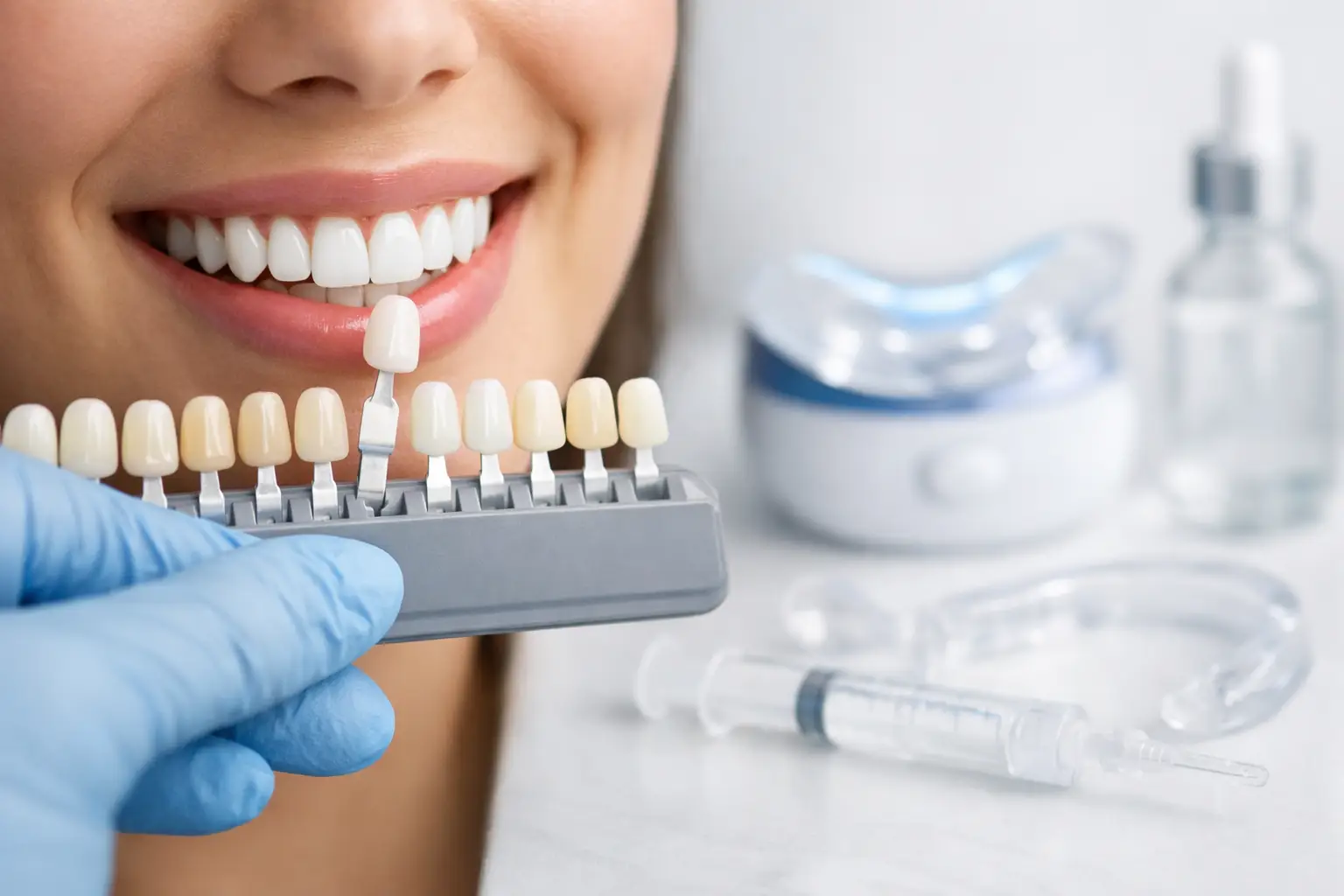
In-office whitening is a good option when you want noticeable improvement on a predictable schedule. The whitening gel is applied carefully, with protection for your lips and gums, and the treatment is monitored throughout your visit. It is often an efficient choice before a special event, though the right shade goal should still look natural for your complexion and smile.
Custom take-home trays offer a different kind of control. Trays made to fit your teeth closely help keep the whitening gel where it belongs and reduce contact with the gums. You wear them for the time your dental team recommends, allowing you to brighten gradually and pause if sensitivity develops. For many patients, this balance of convenience and professional oversight is the most comfortable route.
At West Hollywood Smile Dental, whitening recommendations can be coordinated with cleanings, restorative care, veneers, or other smile goals. That continuity helps avoid a common disappointment: whitening natural teeth first, then realizing existing crowns or fillings will not change color.
Be realistic about what whitening can and cannot change
Whitening gel changes the shade of natural tooth enamel and dentin. It does not whiten porcelain, composite bonding, crowns, veneers, implants, or fillings. If a front crown is darker than neighboring teeth, whitening the adjacent natural teeth may make the difference more obvious, not less.
That does not mean cosmetic work is the only answer. Sometimes the best plan is to whiten healthy natural teeth first, let the shade settle, and then match any new restoration to your brighter smile. Your dentist can explain the sequence before treatment begins, so the outcome feels intentional rather than mismatched.
Results also vary with the type and depth of discoloration. Most people can expect improvement, not necessarily a paper-white shade. A healthy, believable brightness tends to look better over time than a result pushed beyond what your enamel can comfortably tolerate.
Over-the-counter whitening: use it carefully
Whitening strips, gels, pens, and trays can help with mild staining when used exactly as directed. They are not automatically unsafe, but they leave less room for personalization. A strip that fits poorly can expose your gums to gel, while a generic tray may spread whitening material beyond the teeth.
If you choose an over-the-counter option, start conservatively. Do not wear strips longer than instructed, use more product than recommended, or stack several whitening methods at once. More peroxide and more frequent applications do not always create better results. They can create sore gums, sharp sensitivity, and uneven color instead.
Stop treatment and contact a dental office if you develop persistent tooth pain, gum burning, white patches on the gums, or sensitivity that does not improve after a day or two. Temporary sensitivity is common, but significant discomfort is a signal to reassess the plan.
Skip abrasive and acidic DIY methods
Social media has made whitening look deceptively simple. Lemon juice, vinegar, charcoal powders, salt scrubs, and undiluted hydrogen peroxide are not gentle shortcuts. Acidic ingredients can soften enamel, while abrasive powders can wear away the smooth outer surface that helps teeth reflect light.
Baking soda toothpaste can be appropriate when it is formulated and tested for daily brushing, but scrubbing loose baking soda directly onto teeth is not a whitening strategy. It may remove some surface stain, yet it cannot safely bleach deeper discoloration and can be harsh if used repeatedly.
Once enamel is worn down, it does not grow back. Teeth may appear more yellow because the naturally yellow dentin beneath becomes more visible, and they can become more sensitive. A temporary brightening trick is not worth that trade-off.
Make whitening more comfortable for sensitive teeth
If cold drinks already make you wince, mention it before whitening. Your dentist may suggest treating sensitivity first, using a lower-strength whitening product, shortening wear time, or spacing treatments farther apart. A sensitivity toothpaste can also help when used consistently before and during whitening.
Give your teeth recovery time. Whitening every day for long stretches is rarely necessary, especially once you have reached a shade you like. If sensitivity begins, pause treatment rather than trying to push through it. For some people, whitening every other day or using shorter sessions creates similar results with much less discomfort.
Avoid very hot or cold foods and drinks immediately after a whitening session if your teeth feel reactive. Use a soft-bristled toothbrush and gentle pressure. Aggressive brushing will not remove new stains faster, and it can irritate gums or contribute to enamel wear.
Protect your results without giving up everything you enjoy
Whitening is not permanent because teeth are exposed to stain-producing foods and drinks every day. The goal is maintenance, not perfection. Regular brushing with fluoride toothpaste, daily flossing, and routine professional cleanings help remove surface buildup before it becomes more noticeable.
For the first day or two after a whitening session, it can be helpful to limit intensely colored items such as coffee, red wine, cola, dark berries, tomato sauce, and tobacco. After that, you do not need a restrictive diet. Drinking water after coffee or wine, using a straw for iced dark beverages when practical, and rinsing after richly colored foods can reduce staining over time.
Touch-up treatment is usually safer and more effective than repeatedly doing a full whitening cycle. The right schedule depends on your stain exposure, enamel sensitivity, and the product used. Your dental team can help you maintain your preferred shade without overdoing it.
When to schedule a dental visit before whitening
A dental visit should come first if you have untreated cavities, bleeding gums, loose restorations, mouth sores, pregnancy-related oral changes, severe sensitivity, or dental pain. The same applies if you have not had a cleaning in a while. Sometimes removing plaque and tartar alone makes teeth look noticeably brighter.
If you are considering whitening before veneers, bonding, or a crown, plan ahead. Color matching is most predictable after the whitening result has stabilized. A few extra steps now can help your finished smile look even and natural.
A brighter smile should feel good, not sting, burn, or leave you worried about what is happening beneath the surface. Choose a method that respects your enamel, listen to signs of sensitivity, and let a trusted dental team help you achieve the smile you deserve with comfort and confidence.
Dental Bonding vs Veneers: Which Fits You?