
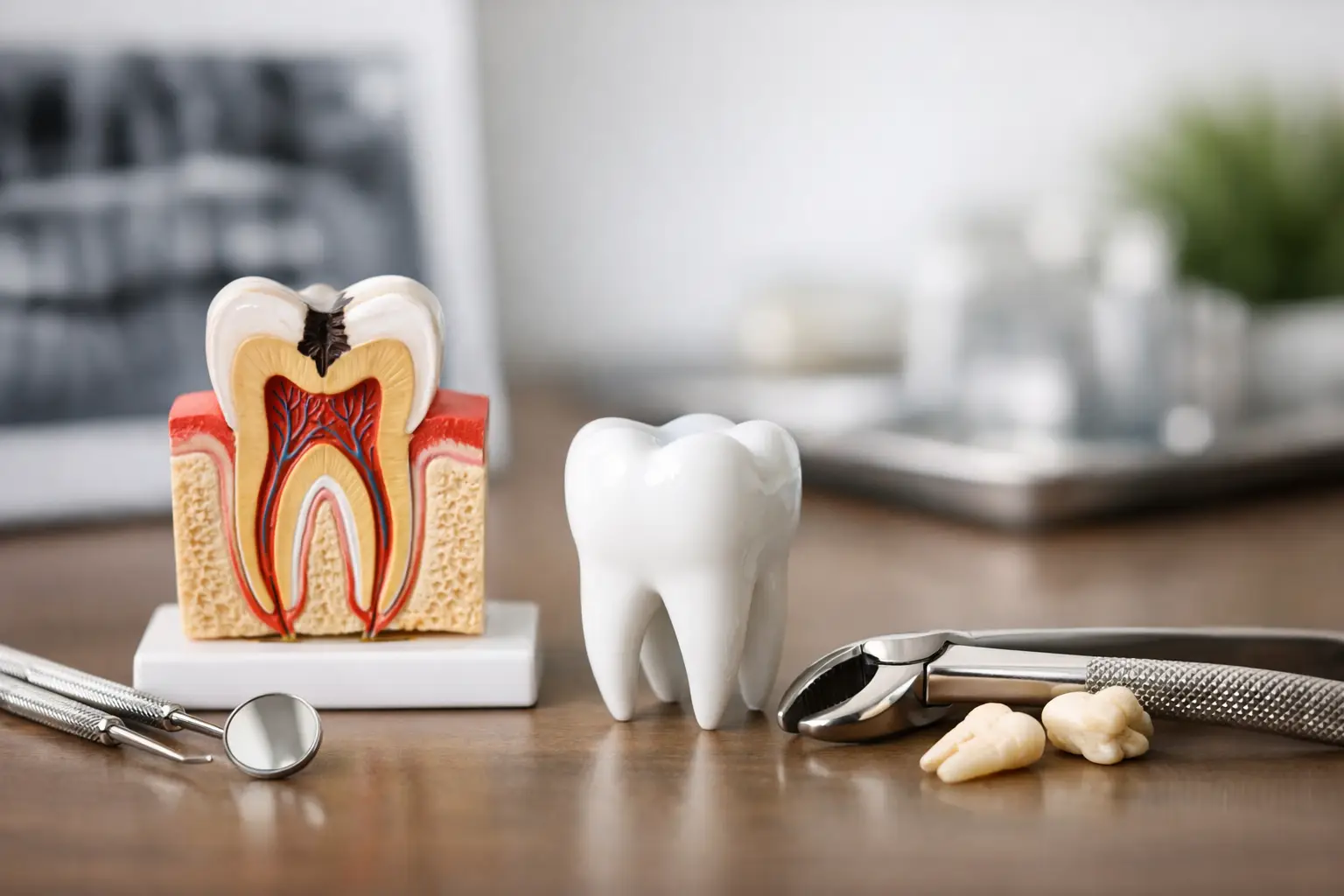
Root Canal or Extraction? How to Choose
A tooth that suddenly starts throbbing at dinner or wakes you up at 2 a.m. can make the decision feel urgent fast. When your dentist says you may need a root canal or extraction, the real question is not which sounds easier today – it is which choice gives you the healthiest, most comfortable result over time.
That answer depends on the condition of the tooth, the surrounding bone and gums, your budget, your timeline, and your long-term goals for your smile. For many patients, saving a natural tooth is the better path when it is still possible. In other cases, removing the tooth is the more predictable and healthier option. A good dental team should explain both clearly, without pressure, so you can make a decision that feels informed and right for you.
Root canal or extraction: what is the difference?
A root canal is a treatment used to save a tooth when the nerve inside has become inflamed, infected, or damaged. During treatment, the infected tissue is removed from inside the tooth, the canals are cleaned and sealed, and the tooth is usually restored with a filling or crown. The goal is to keep the natural tooth in place while removing the source of pain and infection.
An extraction removes the tooth entirely. This may be recommended when the tooth is too damaged to restore, the crack extends below the gumline, the infection is severe, or the surrounding support structures are no longer strong enough to hold the tooth predictably. In some cases, extraction is followed by a replacement option such as a dental implant, bridge, or partial denture.
On paper, extraction can sound simpler. In real life, the decision is bigger than one appointment. Once a tooth is removed, you also have to think about healing, shifting teeth, chewing function, and whether you will replace it.
When a root canal makes sense
If a tooth can be saved structurally, keeping it is often the most conservative option. Natural teeth help maintain your bite, support normal chewing, and preserve the spacing of the surrounding teeth. A root canal is commonly recommended when decay has reached the pulp, when a deep filling has irritated the nerve, or when trauma has damaged the inside of the tooth.
Many patients still associate root canals with discomfort, but modern treatment is usually far easier than the pain that brought them in. With local anesthesia, careful technique, and a gentle touch, the procedure is often comparable to getting a filling. What patients usually notice most is relief – especially when the tooth has been causing constant aching, sensitivity to pressure, or lingering pain with hot and cold foods.
A root canal is usually a strong choice when the tooth has enough healthy structure left to support a restoration. If the surrounding bone is healthy and the tooth is restorable with a crown, it can often continue functioning for many years.
Benefits of saving the tooth
The biggest benefit is that you keep your natural tooth. That means your bite stays more stable, chewing feels more natural, and you avoid the additional planning that comes with replacing a missing tooth. In many cases, saving the tooth also shortens the overall treatment journey compared with extraction plus implant placement and restoration.
There is also a comfort factor. Even though no dental procedure is most people’s idea of fun, many patients appreciate resolving the infection while preserving what nature gave them.
When extraction may be the better option
There are times when removing a tooth is the healthiest call. If the tooth is fractured in a way that cannot be repaired, has severe decay below the gumline, has advanced bone loss, or has failed previous treatment beyond a reasonable chance of success, extraction may offer a more dependable outcome.
This can also be true when infection has caused extensive destruction around the tooth or when the cost of saving a badly compromised tooth would still leave an uncertain prognosis. A caring dentist should not recommend a root canal simply because it is possible. The better question is whether it is wise.
For some patients, extraction can provide the fastest way out of pain, especially if the tooth is not functional, is partially broken down, or is already creating repeated problems. But it is important to think one step ahead. If the tooth is removed and not replaced, neighboring teeth can drift, the opposing tooth can over-erupt, and chewing may become less balanced over time.
The hidden part of extraction
The extraction itself is only part of the decision. The follow-up matters just as much. If the missing tooth is visible when you smile, helps support your bite, or plays an important role in chewing, replacement is often recommended. That can mean a dental implant, bridge, or removable option depending on your needs.
This is why extraction is not always the cheaper option in the long run. The upfront cost may be lower than a root canal and crown, but once replacement is added, the total investment can be higher.
Root canal or extraction: what affects the decision?
The best recommendation comes from a full exam, X-rays, and an honest conversation about your priorities. A few factors tend to guide the choice.
The first is restorability. If enough healthy tooth remains above and below the gumline, a root canal may be a strong option. If the tooth is too damaged to hold a crown or filling, saving it may not be realistic.
The second is infection and structural damage. A localized infection inside the tooth can often be treated successfully with a root canal. A vertical root fracture, by contrast, usually points toward extraction.
The third is long-term value. If preserving the tooth gives you years of function and helps maintain your bite, root canal treatment may offer the better return. If the tooth has a poor prognosis even after treatment, extraction may spare you additional time, expense, and frustration.
Your comfort level matters too. Some patients come in feeling anxious and assume extraction is easier because it removes the problem in one step. Others strongly prefer to keep their natural tooth whenever possible. Neither reaction is wrong. What matters is having a dentist who explains what each path really involves.
Recovery, comfort, and what to expect
Root canal recovery is usually straightforward. Mild tenderness for a few days is common, especially if the tooth was infected beforehand. Most people return to work and regular routines quickly. If a crown is needed, protecting the tooth until final restoration is important.
Extraction recovery can also be manageable, but it tends to involve a different kind of healing. The site needs time to close, and you may have swelling, soreness, or dietary restrictions for several days. If a bone graft or future implant is planned, the timeline becomes longer.
Neither option should mean white-knuckling your way through the appointment. Comfort-focused care, clear communication, and proper anesthesia make a real difference. For anxious patients, having access to a team that offers a calm environment and supportive treatment can change the experience completely.
Cost matters, but so does the full picture
Patients are right to ask about cost. A root canal plus crown may be more expensive than extracting the tooth that day. But removing a tooth without replacing it can create bigger issues later, and replacing it often adds significantly to the total cost.
This is one reason personalized treatment planning matters so much. The right choice is not always the cheapest appointment. It is the option that protects your health, fits your goals, and makes sense over time.
At a comprehensive office like West Hollywood Smile Dental, patients often appreciate being able to talk through both the immediate treatment and the next step in one place, rather than piecing together a plan across multiple offices.
The best question to ask your dentist
Instead of asking only, “Which is faster?” ask, “What would you recommend if this were your tooth?” That question often leads to the most useful conversation.
A trustworthy answer should include the tooth’s condition, the chances of long-term success, whether replacement would be needed after extraction, and how each option affects your comfort and function. It should not feel rushed. It should feel like someone is looking out for your health, not just solving today’s pain.
If your tooth can be predictably saved, that is often worth serious consideration. If it cannot, extraction may be the most responsible step toward a healthier smile. The right choice is the one that treats the problem completely and supports your life after the appointment – when you are eating, speaking, smiling, and no longer thinking about that tooth at all.

Do I Need a Root Canal? Signs to Watch