A dental visit can feel very different when your care is planned from a detailed 3D scan rather than a traditional impression tray. For patients who value precision, comfort, and efficient appointments, digital dentistry trends are changing how dentists diagnose concerns, design restorations, and help patients visualize a healthier smile before treatment begins.
The technology itself is not the goal. The goal is more personalized care: clearer answers, fewer unpleasant steps, and treatment plans built around your oral health, comfort, and priorities. Here is what the most meaningful changes may look like in the dental chair.
Digital Dentistry Trends That Improve Patient Care
Digital tools are becoming part of everyday preventive, cosmetic, and restorative dentistry. Some make a visit more comfortable, while others help dentists plan complex treatment with greater accuracy. The right technology depends on your needs. A routine exam does not require every advanced tool, but digital imaging and scanning can be especially valuable when planning veneers, crowns, implants, aligners, or a full smile makeover.
Intraoral scanners are replacing many traditional impressions
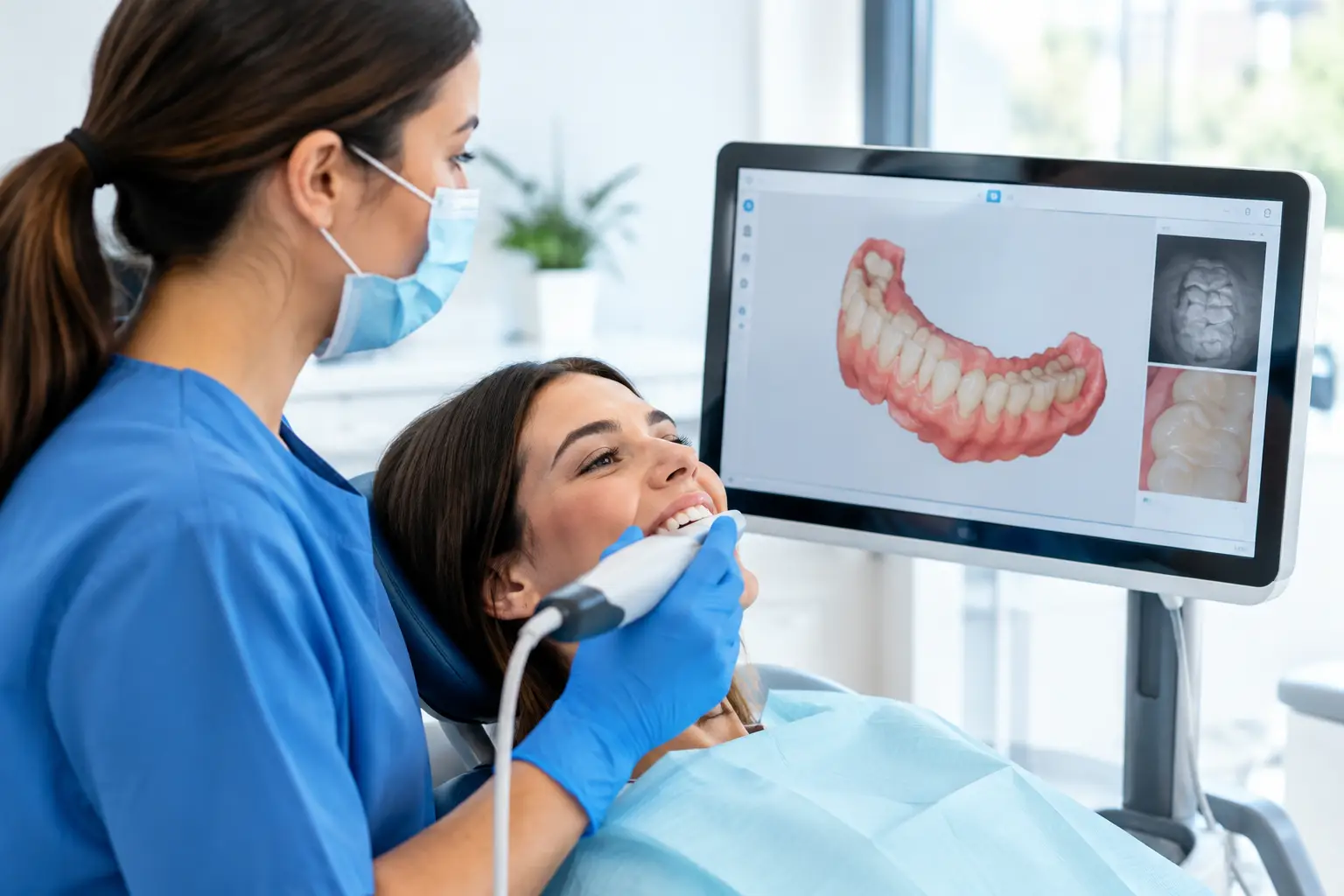
One of the most patient-friendly developments is the intraoral scanner. Instead of filling a tray with impression material and asking you to hold it in place, a dentist can use a small handheld camera to create a highly detailed digital model of your teeth and gums.
For people with a sensitive gag reflex, this can be a major improvement. The process is generally faster and more comfortable than conventional impressions, and the resulting scan can be sent directly to a dental lab or used to plan a custom restoration. It also gives you a chance to see your teeth on a screen, which can make conversations about crowding, worn enamel, or bite changes much easier to understand.
Traditional impressions still have a role in certain situations, particularly when a case has unique clinical requirements. But for many crowns, bridges, night guards, and cosmetic treatments, digital scanning offers an efficient and accurate alternative.
3D imaging supports more confident treatment planning
Standard dental X-rays remain essential for checking areas that cannot be seen during a visual exam. For more complex cases, however, cone beam computed tomography, often called CBCT, can provide a three-dimensional view of the teeth, jawbone, nerves, sinuses, and surrounding structures.
This level of detail can be particularly helpful for dental implant planning, impacted wisdom teeth, root canal evaluation, and some surgical procedures. When an implant is being considered, for example, the dentist needs to assess whether there is enough healthy bone and identify important anatomical structures. A 3D image helps guide that planning before treatment starts.
More imaging is not automatically better. Dentists should recommend CBCT when the clinical benefit justifies it, not as a routine replacement for every X-ray. A thoughtful approach balances diagnostic value with the lowest reasonable radiation exposure.
Digital smile design makes cosmetic choices easier to discuss
Cosmetic dentistry is personal. Two people may want very different results from teeth whitening, veneers, or bonding. One may prefer a subtle refresh, while another wants a brighter, more symmetrical smile. Digital smile design helps turn those preferences into a more productive conversation.
Using photographs, scans, and planning software, your dentist may be able to show how changes in tooth shape, length, color, or spacing could complement your facial features. This is not a promise that a screen preview will match the final result exactly. Your bite, gum health, tooth structure, and the materials selected all matter. Still, it gives patients a helpful reference point before making decisions.
The best cosmetic plan is never based on a template alone. It should protect healthy tooth structure whenever possible and account for function as carefully as appearance. A beautiful smile should also feel comfortable when you chew, speak, and go about your day.
How Digital Dentistry Trends Are Changing Restorative Care
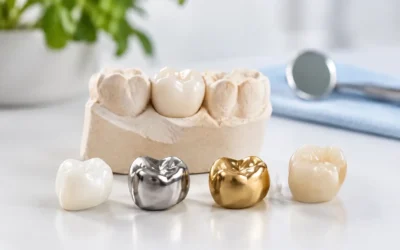
When a tooth needs a crown, bridge, implant restoration, or other repair, precision matters. A restoration must fit well at the margins, work with your bite, and blend naturally with neighboring teeth. Digital workflows can help make each stage more coordinated.
Computer-aided design improves restoration planning
After a digital scan is taken, computer-aided design software can help the dental team and laboratory plan the shape of a crown, bridge, or implant restoration. The design is based on your bite, adjacent teeth, available space, and cosmetic goals.
This does not mean a computer makes treatment decisions on its own. Skilled dentists and lab technicians still review the case, adjust details, and apply clinical judgment. The technology is a planning aid, not a substitute for experience. That distinction matters because a restoration can look excellent on a screen yet need adjustments to account for real-world chewing forces or gum contours.
For patients, the benefit is often better communication between the office and the lab, along with a more predictable fit. Depending on the treatment, digital records can also make it easier to compare changes over time or replace an existing restoration if needed.
Guided implant surgery can add precision for eligible patients
Dental implants require careful planning because the implant must be placed in a position that supports both long-term function and a natural-looking final tooth. When appropriate, a dentist may combine 3D imaging with digital scans to create a surgical guide.
This guide helps transfer the treatment plan to the procedure itself. It can be especially useful when multiple implants are involved or when available bone and surrounding anatomy require close attention. Not every implant case calls for the same approach, and a surgical guide does not remove all risk. Healing, bone quality, gum health, and daily home care still influence success.
What it can provide is a more detailed plan before the procedure, which many patients find reassuring. If you are considering implants, ask how your dentist evaluates bone health, bite forces, and the final restoration before recommending treatment.
Artificial intelligence may help identify patterns, but the dentist remains essential
AI-assisted software is beginning to appear in dental imaging and record review. These tools can flag areas on an X-ray that may deserve a closer look, such as possible decay between teeth or changes in bone levels. They may also help organize records and support more consistent documentation.
The useful word here is “assist.” Software can identify patterns, but it cannot evaluate your symptoms, inspect your mouth, understand your medical history, or decide what treatment is appropriate for you. A finding on an image may need monitoring rather than immediate treatment. In other cases, a tooth that looks minor on an X-ray may require prompt attention because you are in pain.
Patients should expect technology to support a thorough clinical exam, not replace the relationship with their dentist. Clear explanations and honest recommendations remain the standard for quality care.
What Patients Should Ask Before Choosing Digital Treatment
Technology can make care more comfortable and precise, but the most important question is whether it serves your specific needs. If a dentist recommends a digital scan, 3D image, or digitally planned restoration, it is reasonable to ask what problem it helps solve and how it will affect your treatment experience.
You may also want to ask whether there are alternatives, how many appointments are likely needed, and what will happen if adjustments are required. For cosmetic care, discuss the level of change you want, how the treatment will affect natural enamel, and how to maintain the result. For restorative treatment, ask about the expected lifespan of the material, your bite, and any habits such as grinding that could affect the restoration.
At West Hollywood Smile Dental, technology is most valuable when it supports the kind of care patients actually want: a gentle touch, a clear plan, and the convenience of having preventive, cosmetic, restorative, and surgical needs addressed in one trusted office.
A digital scan or 3D image can provide valuable information, but your comfort should remain part of every decision. Choose a dental team that takes time to explain what they see, listens to your goals, and uses modern tools to help you move forward with confidence.