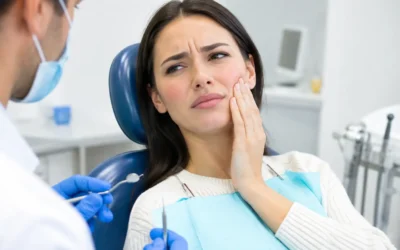
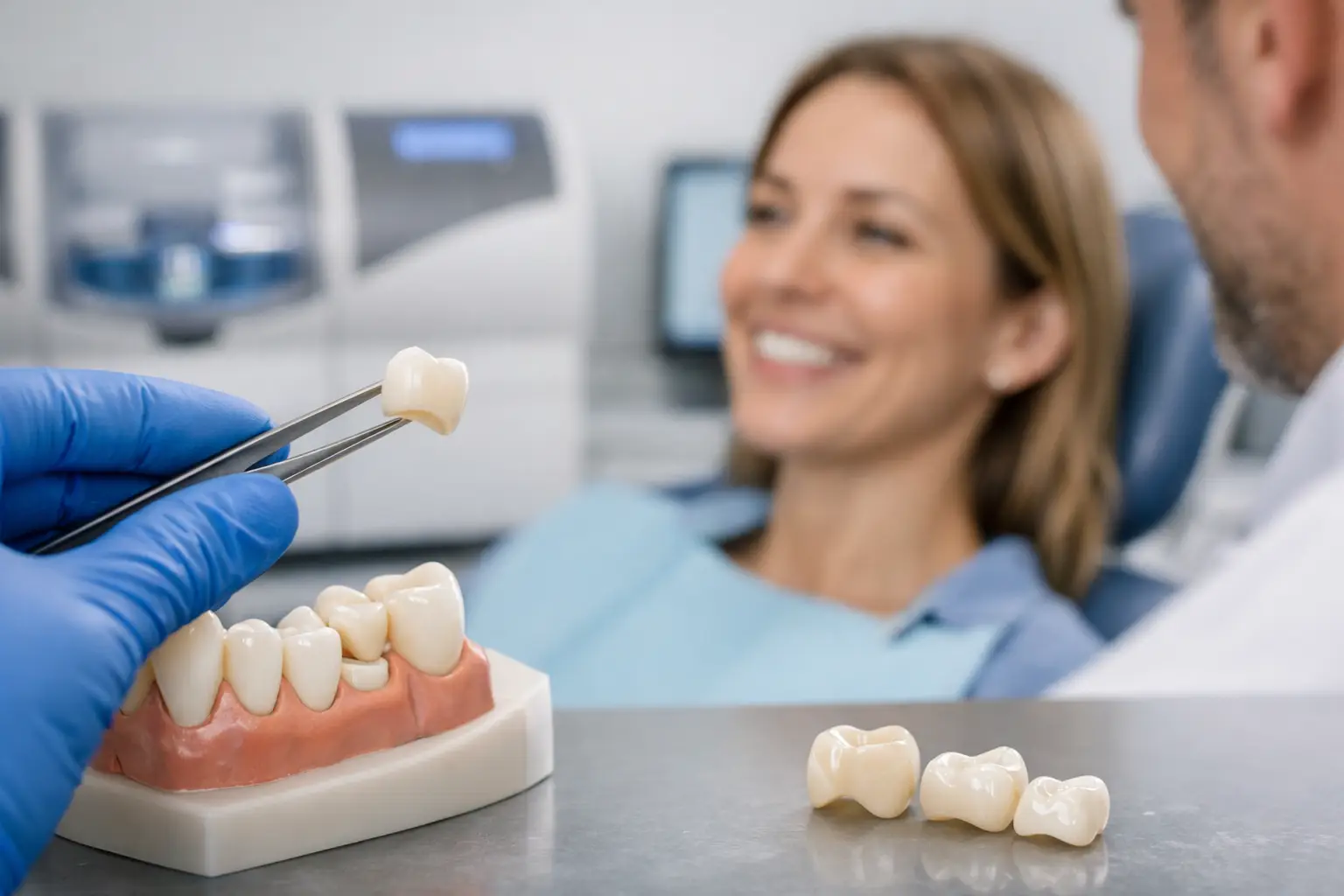
A cracked tooth rarely chooses a convenient moment. You may be trying to finish a workday, attend a dinner in West Hollywood, or simply chew without that sharp reminder every time you bite down. A same day dental crown can often restore a damaged tooth in one visit, replacing the traditional process of multiple appointments and a temporary crown with a carefully designed permanent restoration.
For the right patient and tooth, this approach offers a meaningful combination of speed, comfort, and natural-looking results. Still, the fastest option is not automatically the best option in every situation. Your dentist should evaluate the health of the tooth, your bite, the location of the restoration, and your long-term goals before recommending treatment.
What Is a Same Day Dental Crown?
A dental crown is a custom restoration that covers the visible portion of a weakened tooth. Think of it as a protective cap designed to restore strength, shape, and function when a filling alone is no longer enough. Crowns are commonly recommended after a large cavity, fracture, root canal treatment, or replacement of an older failing restoration.
Traditional crowns are typically made by a dental laboratory. After the tooth is prepared, you wear a temporary crown while the final restoration is created and returned to the dental office. With same-day technology, your dentist takes a detailed digital scan of the prepared tooth, designs the crown on a computer, and mills it from a high-quality ceramic block in the office. The crown is then adjusted, polished, and bonded into place during that same appointment.
The result is a permanent restoration without messy impression material, a temporary crown, or a second visit for placement in many cases.
Why Patients Choose Same-Day Crowns
Time is the most obvious advantage. For busy professionals, parents, and anyone managing a packed Los Angeles schedule, completing treatment in one visit can make dental care much easier to fit into real life. It also means there is no temporary crown to baby for a couple of weeks.
Temporary crowns serve an important purpose, but they can occasionally loosen, break, or feel different when you chew. A same-day approach eliminates that interim stage when the case is appropriate. Many patients also appreciate the digital workflow. Digital scans are highly precise and generally more comfortable than traditional impressions.
A well-designed ceramic crown can closely match the shade and translucency of surrounding teeth. This is particularly valuable when restoring a tooth that shows when you smile. Your dentist can also make adjustments to the crown’s fit and bite while you are in the chair, helping you leave with a restoration that feels comfortable and looks like it belongs in your smile.
What Happens During the Appointment?
Your visit begins with a thorough examination and, when needed, digital X-rays. Before a crown is placed, the dentist needs to confirm that the tooth can be predictably restored. If there is infection, extensive damage below the gumline, or not enough healthy tooth structure remaining, another treatment may be needed first.
Once the plan is clear, the tooth is gently numbed and prepared. This involves removing decay, old filling material, or damaged tooth structure and shaping the tooth so the crown can fit securely. The amount of preparation varies depending on the condition of the tooth and the material selected.
Next, a digital scanner captures a detailed 3D image of your teeth. Your dentist designs the crown to support your bite and blend with nearby teeth. The restoration is milled from ceramic while you relax in the office. Before bonding it permanently, the dentist checks the fit, contours, color, and bite. Small refinements can be made on the spot.
The total appointment length varies, but patients should plan for a longer visit than a routine filling. The benefit is that you generally walk out with the final crown already in place.
Comfort Is Part of the Process
Dental treatment should not feel like something you simply have to endure. Local anesthetic keeps the procedure comfortable, and your care team can explain each stage before it happens. If dental anxiety has made you postpone treatment, let the office know. Comfort options and a gentle, unhurried approach can make a significant difference.
After the numbness wears off, mild tenderness around the gums or jaw is possible for a day or two. This usually improves quickly. Call your dentist if you experience persistent pain, pressure when biting, sensitivity that worsens, or a crown that feels too high.
Is Everyone a Candidate for a Same-Day Crown?
Not always, and an honest recommendation matters. Same-day ceramic crowns work very well for many teeth, including molars that need dependable strength and teeth in the smile zone that need a natural appearance. However, some cases benefit from a laboratory-made crown instead.
For example, a tooth with unusually complex cosmetic requirements may need additional shade layering or characterization from a dental lab. A patient with heavy grinding or clenching may need a particular material or design approach. Extensive fractures, deep decay, gum disease, bite concerns, and a tooth that needs root canal treatment can also affect the timeline and type of restoration recommended.
Crowns are not one-size-fits-all. A dentist may recommend a same-day ceramic crown, a laboratory-fabricated crown, an onlay that preserves more healthy tooth structure, or another restorative option. The goal is not to force every tooth into a one-visit solution. It is to choose the restoration that gives your tooth the best chance of lasting comfortably.
Same-Day vs. Traditional Crowns: The Real Trade-Off
Both options can provide excellent results. The difference is less about one being universally better and more about which process and material best fit your specific case.
Same-day crowns offer convenience, digital precision, and the ability to avoid a temporary. They are especially appealing when a crown is needed promptly or when scheduling two appointments is difficult. Traditional crowns involve at least two visits, but they may offer more material choices and added artistic customization for certain front-tooth cases.
Your dentist should also discuss cost and insurance before treatment begins. Coverage for crowns varies by plan, and a crown is often covered only when it is considered medically necessary rather than primarily cosmetic. A clear treatment estimate helps you understand your options and make decisions without surprises.
How to Care for Your New Crown
A crown is strong, but the tooth and gums around it still need daily care. Brush twice a day with a soft-bristled toothbrush and fluoride toothpaste, and clean between your teeth every day. Flossing is especially important at the edge where the crown meets the natural tooth, since plaque can still collect there and lead to decay at the margin.
Avoid using your teeth to open packages, bite nails, or crunch hard objects such as ice. If you grind or clench while sleeping, a custom night guard may help protect both your crown and your natural teeth. Routine exams and cleanings allow your dentist to monitor the crown, your gums, and your bite before small concerns turn into bigger repairs.
With thoughtful design, good home care, and regular dental visits, a crown can serve you well for many years. Its longevity depends on factors such as bite forces, oral hygiene, diet, and the health of the tooth underneath.
When Not to Wait
Contact a dentist promptly if you have a broken tooth, a lost large filling, pain when chewing, swelling, or a crown that has come off. Waiting can allow a crack to spread, bacteria to reach the inner tooth, or a manageable repair to become a more involved problem. Even if pain comes and goes, the tooth deserves an evaluation.
If a same day dental crown is appropriate, it can turn an inconvenient dental problem into a focused, comfortable visit with a lasting result. The best next step is a personalized exam, where your dentist can protect what is healthy, explain what is needed, and help you get back to eating, speaking, and smiling with confidence.