Coffee before a morning meeting, red wine with dinner, and a favorite tomato-based meal can all leave their mark over time. If you are wondering how to whiten stained teeth, the best answer depends on what caused the discoloration in the first place. Some stains respond beautifully to professional whitening, while others need a cleaning, cosmetic treatment, or a different approach altogether.
A brighter smile should not come at the expense of healthy enamel or sensitive teeth. The goal is to remove or lighten discoloration safely, then create habits that help your results last.
Start by Identifying the Type of Stain
Not all tooth discoloration is the same. Surface stains, called extrinsic stains, sit on the outside of the enamel. They are commonly caused by coffee, tea, red wine, dark berries, tobacco, and deeply pigmented foods. These are often the easiest stains to improve with a professional cleaning or whitening treatment.
Intrinsic stains develop within the tooth structure. They may be related to aging, certain medications, dental trauma, excessive fluoride exposure during tooth development, or changes inside a tooth after an injury. Whitening can sometimes help, but it may not fully change the color. In those cases, veneers, bonding, or crowns may be better options for creating a more even-looking smile.
There is also a third situation that patients sometimes mistake for staining: tartar buildup. Tartar can look yellow, brown, or dark near the gumline, but it cannot be brushed away at home. It needs to be removed professionally.
Schedule a Professional Cleaning Before Whitening
A dental cleaning is often the smartest first step for stained teeth. Plaque, tartar, and surface buildup can make teeth look dull even when the underlying enamel is naturally a healthy shade. Removing that buildup may noticeably brighten your smile without bleaching it at all.
A cleaning also gives your dentist an opportunity to check for cavities, gum inflammation, worn enamel, cracks, and exposed roots. Whitening products can irritate sensitive areas, so treating those concerns first makes the process more comfortable and predictable.
If your teeth still look darker than you would like after a cleaning, professional whitening may be the next step. Starting with clean teeth helps whitening gel contact the enamel more evenly, which can improve the appearance of the final result.
How to Whiten Stained Teeth Safely
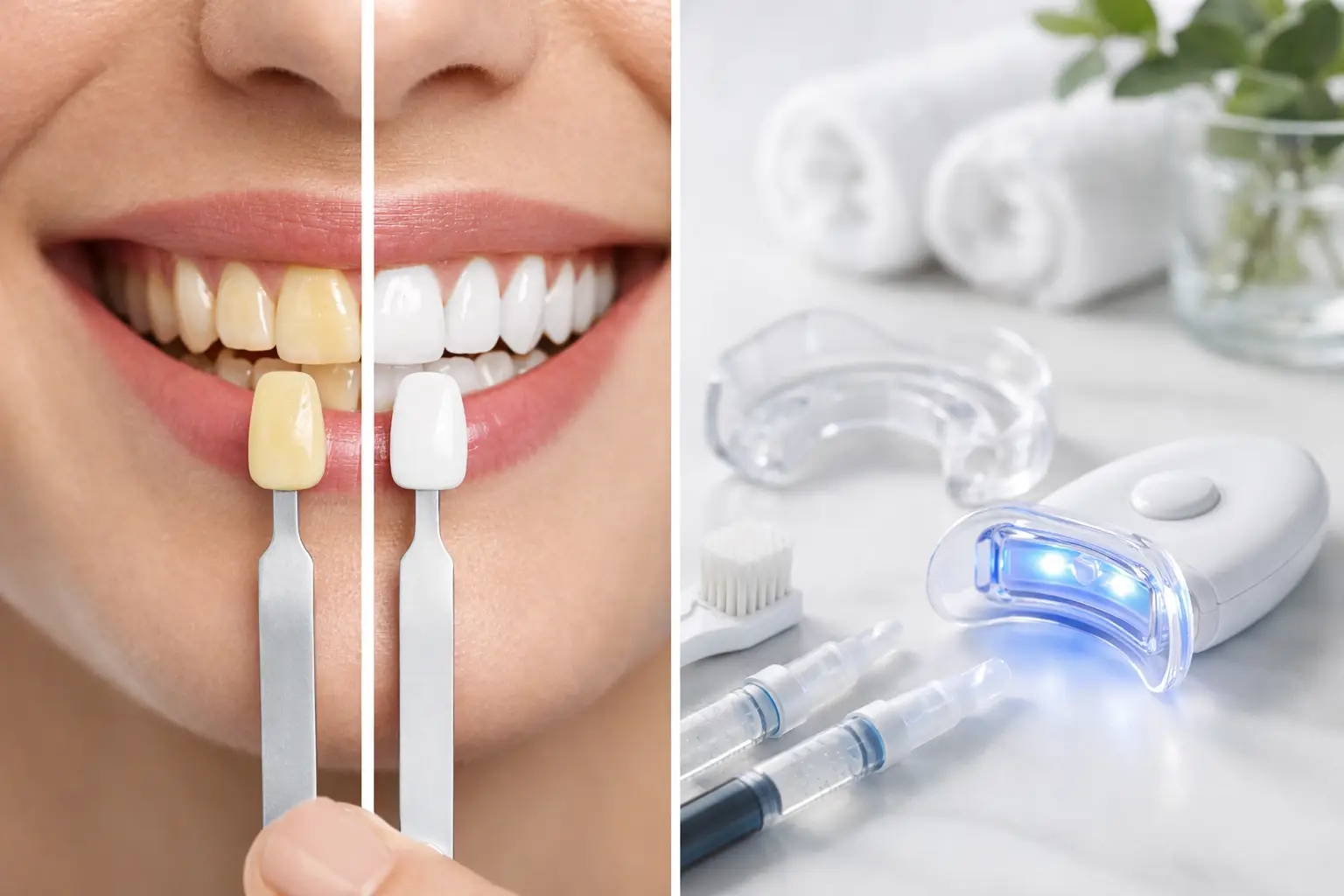
Professional teeth whitening is generally the most reliable option for noticeable, controlled results. Your dental team can recommend the right strength of whitening gel, protect your gums, and tailor treatment around sensitivity, existing dental work, and your desired shade.
In-office whitening is a good fit for people who want faster results, such as before a wedding, event, photoshoot, or important professional occasion. Treatment is completed under supervision, and many patients see a significant improvement in one visit. Results vary because natural tooth color, enamel thickness, and the type of stain all play a role.
Custom take-home trays offer another effective option. Unlike one-size-fits-all strips, custom trays are made to fit your teeth closely. That helps keep whitening gel where it belongs and can reduce gum irritation. Take-home whitening is more gradual, but it gives many patients flexibility and excellent results over a couple of weeks.
Over-the-counter whitening strips, toothpastes, and pens can help with mild surface staining. Their trade-off is that they are less personalized and often less powerful than professional options. Whitening toothpaste can polish away some external stains, but it does not usually change the internal color of teeth. Some formulas are abrasive enough that aggressive use may contribute to sensitivity or enamel wear, especially if you already brush hard.
Be Careful With DIY Whitening Remedies
Social media is full of quick whitening claims, but many popular home remedies are more likely to damage teeth than brighten them. Lemon juice, vinegar, charcoal powders, and baking soda scrubs can be abrasive or acidic. They may make teeth appear cleaner temporarily while gradually weakening enamel.
Enamel does not grow back. Once it is worn away, teeth can look more yellow because the naturally darker dentin beneath becomes more visible. That is why a gentle, dentist-guided plan is a better long-term investment than harsh DIY methods.
Hydrogen peroxide is the active ingredient in many whitening products, but concentration and contact time matter. Using household peroxide or combining products without guidance can irritate your gums and increase sensitivity. More product does not necessarily mean a whiter smile.
Know What Whitening Will Not Change
Whitening treatments lighten natural tooth enamel. They do not change the color of crowns, veneers, fillings, bonding, or implants. If you have visible dental work on front teeth, whitening your natural teeth may create a color mismatch.
This does not mean whitening is off the table. It simply means the timing matters. In many smile makeover plans, natural teeth are whitened first, then new restorations are matched to the brighter shade. A dentist can help you plan the order of treatment so your smile looks balanced rather than patchy.
A dark gray or brown tooth that has changed color after an injury deserves an exam before whitening. The tooth may have an issue inside that requires treatment, such as a root canal, before cosmetic improvement is considered. Whitening should never be used to cover up pain, swelling, bleeding gums, or a sudden change in tooth color.
Reduce Sensitivity During Whitening
Temporary sensitivity is one of the most common concerns with teeth whitening. It can feel like a brief zing when you drink something cold or breathe in cool air. This usually improves after treatment is paused or completed, but you do not have to simply push through discomfort.
Use a sensitivity toothpaste in the days before and during whitening, and brush with a soft-bristled toothbrush. If you are using take-home trays, your dentist may recommend shorter wear times, fewer applications, or a lower-strength gel. Avoid whitening when you have active cavities, gum irritation, or severe tooth sensitivity until those issues are addressed.
It is also wise to limit very hot, cold, acidic, and deeply colored foods for a short period after whitening. Your teeth can be more susceptible to new staining immediately after treatment.
Help Your Brighter Smile Last
Whitening is not permanent because life comes with coffee runs, celebrations, and everyday meals. Still, simple habits can help keep stains from returning quickly. Rinse with water after coffee, tea, wine, or dark sauces, particularly when brushing is not practical. Waiting about 30 minutes to brush after acidic drinks or foods is gentler on enamel.
Using a straw for iced coffee or cold tea can reduce contact with front teeth. Regular cleanings are equally valuable because they remove new surface stains before they become more noticeable. If you smoke or use tobacco, quitting is one of the most meaningful steps you can take for both tooth color and overall oral health.
For many patients, periodic touch-up whitening is enough to maintain a shade they enjoy. The ideal schedule depends on your habits, sensitivity level, and the whitening method used. A personalized recommendation is more useful than trying to follow a one-size-fits-all routine.
When Cosmetic Dentistry May Be the Better Answer
If stains are deep, uneven, or resistant to whitening, cosmetic dentistry can offer a more complete solution. Dental bonding may improve small areas of discoloration and minor shape concerns. Veneers can cover persistent stains while also changing the contour, symmetry, or overall appearance of front teeth. Crowns may be appropriate when a tooth is both discolored and structurally compromised.
The right option should reflect your oral health, budget, timeline, and how much change you want. At West Hollywood Smile Dental, patients can discuss whitening and cosmetic alternatives in the same office, with a treatment plan designed around comfort and natural-looking results.
A bright smile does not have to mean an unnaturally white one. The most flattering result is usually a healthy, even shade that suits your complexion, your features, and the smile you deserve. If stains have been bothering you, a professional exam can replace trial and error with a clear, gentle path forward.
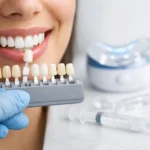
How to Whiten Teeth Safely Without Damage