Veneers vs Bonding: Which Is Better?
A small chip on a front tooth can feel much bigger than it is. So can uneven edges, gaps, or stains that never seem to lift with whitening. When patients ask about veneers vs bonding, they usually want the same thing – a smile that looks natural, feels comfortable, and fits their budget and timeline.
Both treatments can improve the appearance of your teeth, but they are not interchangeable. The right choice depends on what you want to fix, how long you want results to last, and how much enamel change you are comfortable with. A good cosmetic consultation should never push one option for everyone. It should help you choose the treatment that makes sense for your smile.
Veneers vs Bonding: The Core Difference
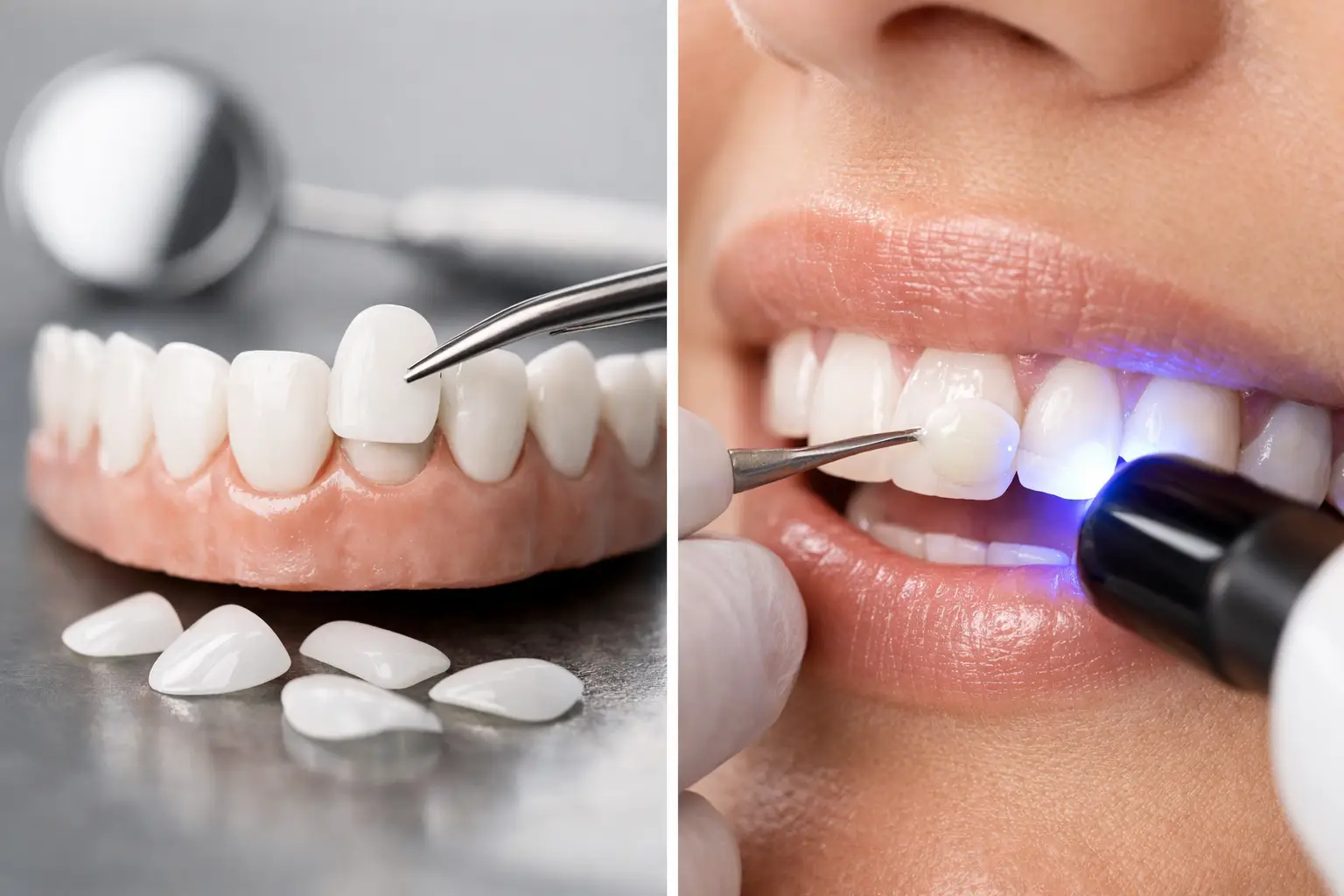
Porcelain veneers are thin custom-made shells that are bonded to the front surface of teeth. They are designed in a lab and are usually used when someone wants a more dramatic or comprehensive cosmetic change. Veneers can reshape teeth, brighten a smile, and create a more uniform look.
Dental bonding uses a tooth-colored composite resin that is applied directly to the tooth and shaped by your dentist during the visit. It is a more conservative treatment and is often used for smaller corrections, such as chips, minor gaps, uneven edges, or isolated discoloration.
If you want the simplest way to think about veneers vs bonding, here it is: veneers are typically a longer-lasting, more polished cosmetic upgrade, while bonding is usually a quicker, more affordable fix for modest changes.
When Veneers Make More Sense
Veneers are often the better choice when several cosmetic issues show up at once. If teeth are stained, slightly misshapen, uneven in size, or worn down over time, veneers can create a balanced and consistent appearance across the smile. They are especially appealing for patients who want a high-end cosmetic result and are ready for a more planned-out process.
Porcelain also reflects light in a way that closely resembles natural enamel. That matters if aesthetics are your top priority. Many patients choose veneers because they want a brighter smile that still looks believable, not flat or overly opaque.
Another major advantage is stain resistance. Porcelain holds its color well, so coffee, tea, and red wine are less likely to dull the appearance over time compared with composite materials. For image-conscious professionals or anyone frequently on camera, that can be a meaningful benefit.
That said, veneers are not the right answer for every tooth or every patient. They usually require some enamel reshaping, which means the process is less reversible than bonding. They also cost more upfront and require more than one step to complete.
When Bonding Is the Better Fit
Bonding works well when the issue is smaller and more localized. A chipped corner, a short tooth edge, a slight gap, or one stubborn spot of discoloration can often be corrected beautifully with composite resin. In many cases, bonding can be completed in one visit, which is a major advantage for patients with busy schedules.
This option is also appealing if you want to improve your smile without making a larger financial commitment right away. Bonding generally costs less than veneers, and it usually removes little to no healthy tooth structure. For patients who want a conservative starting point, that can feel reassuring.
Bonding is also easier to repair. If the material chips or wears down, it can often be touched up without redoing the entire treatment. That flexibility is helpful, especially for younger adults or patients who are still deciding whether they eventually want a more comprehensive cosmetic plan.
The trade-off is longevity. Composite resin is durable, but it is not as strong or stain-resistant as porcelain. It can pick up discoloration over time and may need maintenance or replacement sooner.
Appearance: Which Looks More Natural?
This is where nuance matters. Both veneers and bonding can look natural when done well. The outcome depends heavily on the skill of the dentist, the quality of the materials, and whether the treatment suits the tooth being corrected.
Veneers generally offer more control over shape, translucency, and symmetry. Because they are custom-designed, they can create a refined result that is difficult to match with direct bonding in more complex cases. If you are changing multiple front teeth and want them to look balanced under different lighting, veneers usually have the edge.
Bonding can still look excellent, especially for small repairs. In fact, for a single chip or contour issue, bonding may blend so naturally that it is the smartest cosmetic choice. The key is matching the material carefully and sculpting it with restraint. Cosmetic dentistry should improve your smile, not make it look overdone.
Durability and Maintenance
Porcelain veneers typically last longer than bonding. With good care, veneers may last 10 to 15 years or more. Bonding often lasts closer to 3 to 7 years, depending on the location, your bite, and daily habits.
If you bite your nails, chew ice, grind your teeth, or use your front teeth to open packages, neither option will love that. Bonding is more likely to chip under pressure, while veneers can crack if they are stressed enough. Patients who clench or grind may need a night guard to protect their investment.
Maintenance is straightforward for both treatments. You still need brushing, flossing, and regular dental cleanings. Veneers do not get cavities, but the teeth underneath and around them still need healthy gums and good hygiene. Bonded teeth also need attention because resin margins can stain or wear if plaque builds up.
Cost Matters – and So Does Value
For many patients, the real question in veneers vs bonding is not just price. It is value over time.
Bonding usually costs less upfront, which makes it attractive if you need a quick cosmetic fix or want to improve one or two teeth. Veneers cost more initially because they involve custom design, lab fabrication, and a more advanced cosmetic process.
But lower upfront cost does not always mean lower long-term cost. If bonding needs frequent repairs or replacement, the total investment can add up. Veneers may offer better value for patients who want a longer-lasting result and are committed to the maintenance that comes with it.
A trustworthy dental office should talk openly about both the short-term and long-term financial picture. Cosmetic treatment is personal, and the best plan is one that fits your smile goals without creating unnecessary pressure.
Who Is a Good Candidate for Each?
Veneers may be the better fit if you want a major cosmetic improvement, have several front teeth that need attention, or are looking for a more durable and stain-resistant result. They are often ideal for patients with healthy teeth and gums who want a polished, lasting transformation.
Bonding may be the better fit if your concerns are minor, your enamel is healthy, and you want a conservative treatment that can be completed quickly. It is also a strong option when you are repairing isolated flaws rather than redesigning the whole smile.
Some patients benefit from a combination approach. For example, veneers may be used on a few visible teeth, while bonding can refine neighboring teeth or address small areas elsewhere. Personalized care matters here. The best cosmetic plan is not always the most expensive one. It is the one that respects your natural teeth, your bite, and your priorities.
Veneers vs Bonding in a Cosmetic Consultation
A cosmetic consultation should look beyond the surface. Before recommending veneers or bonding, your dentist should evaluate enamel quality, bite alignment, gum health, existing restorations, and habits like grinding or clenching. A beautiful smile result has to function well, too.
This is especially important if you have old fillings, worn teeth, or signs of bite imbalance. In those cases, what looks like a simple cosmetic concern may need a more complete plan. Offices that provide comprehensive care under one roof can make that process easier, since cosmetic treatment, preventive care, and restorative needs can all be considered together.
If you are comparing options, ask practical questions. How long is each option expected to last in your case? Will your teeth need reshaping? What kind of maintenance should you expect? Can the result be adjusted later? Honest answers build trust and lead to better decisions.
The right smile treatment should feel like it fits you – not just your teeth, but your comfort level, schedule, and goals. Whether veneers or bonding makes more sense, the best choice is the one that gives you confidence every time you catch your reflection, not just the day the procedure is finished.