
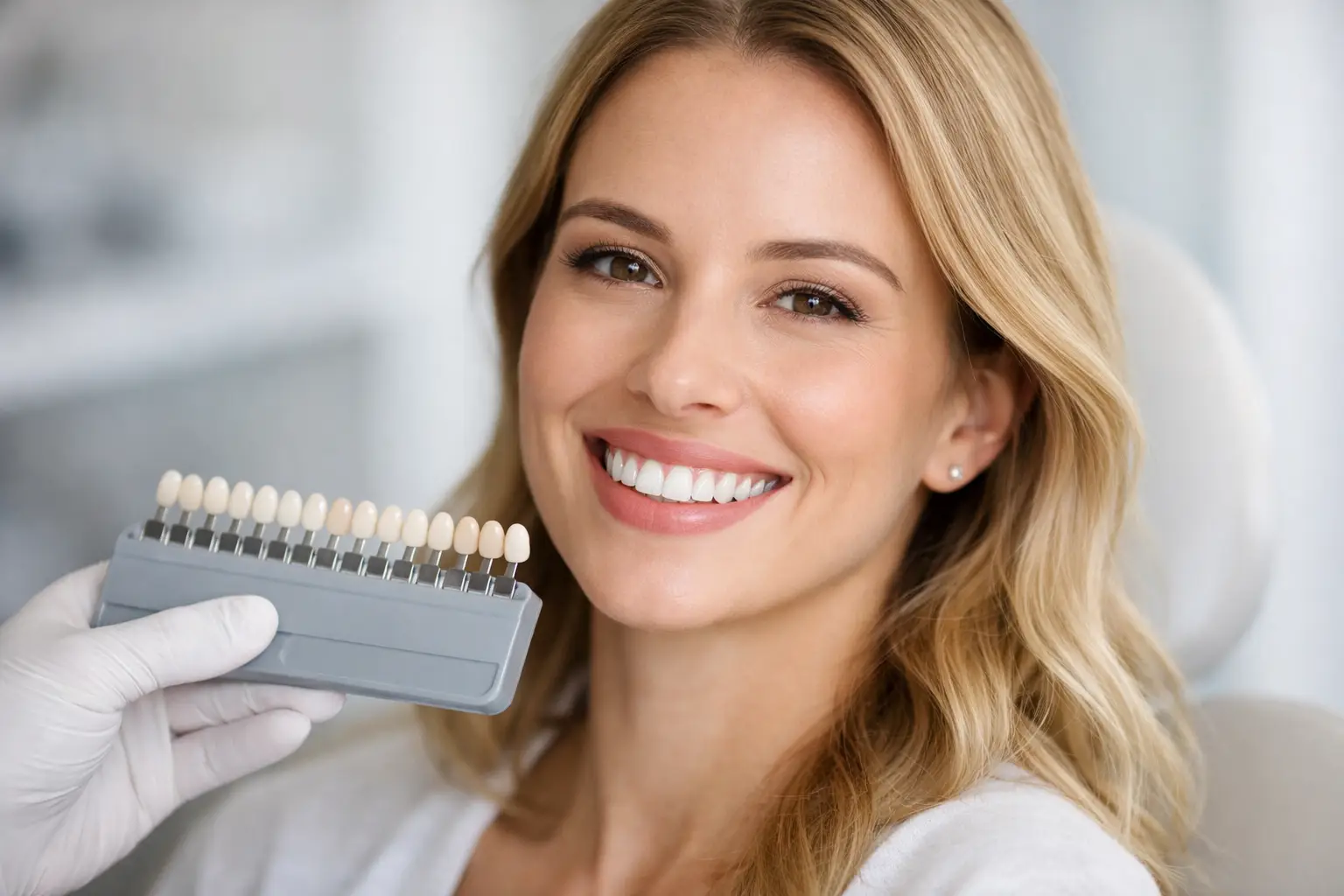
Cosmetic Dentistry That Looks Natural
A smile can change the way you carry yourself before you say a word. For many adults, the real question is not whether cosmetic dentistry works. It is whether the results will look natural, feel comfortable, and fit real life. That is where good planning matters.
The best cosmetic dental work does not make you look like someone else. It should make your smile look healthier, brighter, and more balanced while still feeling like you. For some patients, that means whitening a few shades. For others, it means repairing worn edges, replacing missing teeth, or combining several treatments to improve both appearance and function.
What cosmetic dentistry really includes
Cosmetic dentistry is often associated with bright white veneers and dramatic before-and-after photos. Those treatments have their place, but the field is much broader than that. It includes procedures that improve the color, shape, size, alignment, and overall harmony of your teeth and gums.
Teeth whitening is one of the most common starting points because it is conservative and relatively quick. Veneers can change shape, color, and proportion in a way whitening cannot. Bonding can repair chips and small gaps with less preparation than veneers, although it may not last as long. Clear aligners can straighten teeth without metal braces, which appeals to adults who want a lower-profile option. Crowns, implants, and tooth-colored restorations may also be part of cosmetic treatment when appearance and durability need to work together.
That overlap matters. A beautiful smile is not just about color. If a tooth is cracked, heavily filled, missing, or out of position, the right treatment has to support long-term oral health too.
Cosmetic dentistry is not one-size-fits-all
One of the biggest misconceptions about cosmetic dentistry is that there is a single best treatment for everyone. In reality, the right plan depends on your goals, your current oral health, your timeline, and how much change you want.
If your teeth are healthy and you mostly want a brighter smile, professional whitening may be enough. If you have uneven edges, small chips, or stubborn discoloration that does not respond well to whitening, veneers or bonding may make more sense. If crowding or spacing is the issue, straightening the teeth first can create a better foundation than simply covering the problem.
It also depends on your habits. Someone who grinds their teeth, drinks a lot of coffee, or wants the lowest-maintenance option may need a different approach than someone looking for a quick cosmetic refresh before a wedding, job change, or major event.
This is why a personalized consultation matters. A thoughtful dentist does not start with the most expensive option. They start with what is actually bothering you, what your teeth need, and what kind of result will age well.
Popular cosmetic dentistry treatments and when they make sense
Teeth whitening
Whitening is often the easiest entry point into cosmetic dentistry. It can lift years of staining from coffee, tea, wine, and normal aging. Professional treatment is more predictable than over-the-counter products, and it is usually tailored to reduce sensitivity.
Still, whitening has limits. It works on natural tooth enamel, but it will not whiten crowns, veneers, or certain internal stains. If you have visible restorations on front teeth, brightening your natural teeth may create a mismatch unless you plan ahead.
Veneers
Veneers are thin porcelain shells placed on the front of teeth to improve color, shape, and symmetry. They are a strong option for patients who want a polished, long-lasting transformation, especially when multiple concerns are present at once.
The trade-off is that veneers require careful design and, in many cases, some preparation of the tooth. They are not the right answer for every minor cosmetic issue. When done well, they look refined and natural. When overdone, they can look flat or too uniform. The skill of the dentist and the planning process make a major difference.
Dental bonding
Bonding uses tooth-colored resin to repair chips, reshape edges, or close small spaces. It is more conservative than veneers and can often be completed quickly. For the right case, it offers excellent value.
The main consideration is longevity. Bonding can stain and wear faster than porcelain, especially in patients who bite hard on their front teeth or consume a lot of staining foods and drinks. It is often ideal for smaller corrections rather than full smile redesigns.
Clear aligners and orthodontic treatment
Straight teeth often look better, but alignment is not only cosmetic. Correcting crowding or bite issues can also make teeth easier to clean and reduce uneven wear. Clear aligners appeal to many adults because they are discreet and fit busy professional and social lives.
The key is patience. Orthodontic treatment takes longer than whitening or bonding, but in many cases it creates a more conservative and stable result. Sometimes moving the teeth first means you need less drilling, fewer restorations, or no veneers at all.
Implants, crowns, and smile restoration
Not every cosmetic concern starts as a cosmetic problem. A broken tooth, an old crown, or a missing tooth affects the look of your smile, but it also affects chewing, balance, and long-term dental health. In these cases, cosmetic dentistry and restorative dentistry work together.
An implant can replace a missing tooth in a way that looks natural and helps preserve the structure around it. A crown can strengthen a damaged tooth while improving its appearance. This is often the right path when function cannot be separated from esthetics.
What a good cosmetic plan should consider
A polished smile should still fit your face, speech, bite, and personality. That sounds obvious, but it is where many rushed cosmetic plans fall short.
A good plan looks at tooth proportion, gumline symmetry, lip movement, shade, and facial balance. It should also account for how your teeth come together when you bite and how much enamel is available. If the teeth are unhealthy, inflamed, or unstable, cosmetic work should not be the first step.
This is one reason many patients prefer a full-service office. If you need a cleaning, gum care, alignment, whitening, and final restorations, it is easier when the treatment is coordinated in one place instead of spread across several offices. At West Hollywood Smile Dental, that kind of continuity helps patients move from problem-solving to smile improvement with less stress and fewer surprises.
How to choose the right cosmetic dentistry provider
Cosmetic dentistry is part science and part judgment. Materials matter. Technology matters. But listening matters too.
Look for a dentist who asks what you want to change and what you want to keep. Natural-looking cosmetic work usually comes from restraint, not excess. You want someone who can explain the pros and cons of each option clearly, show you what is realistic, and discuss maintenance before treatment begins.
Comfort should also be part of the conversation. Many adults postpone treatment because they are nervous, busy, or worried about discomfort. A practice that prioritizes gentle care, efficient scheduling, and a supportive experience can make the process much easier to follow through on.
Cost is another real factor. The best office conversations are honest ones. Sometimes treatment can be phased. Sometimes a simpler option meets your goals well. Sometimes investing in a more durable solution saves money over time. There is no single right answer, but there should be a clear one for you.
Is cosmetic dentistry worth it?
For many patients, yes, but not always for the reason people expect. The value is not just in photos or first impressions. It is in smiling without thinking about the chip on one front tooth. It is in speaking, laughing, and showing up confidently at work or in social settings. It is also in restoring function when worn, broken, or missing teeth have started to affect daily life.
That said, the best results come from realistic expectations. Cosmetic dentistry can make a meaningful difference, but it is not about chasing perfection. It is about creating a healthy, attractive smile that feels believable and comfortable for you.
If you have been thinking about changing your smile, start with the concern that bothers you most. Sometimes the right answer is simple. Sometimes it is a combination of treatments. Either way, cosmetic dentistry works best when the plan is personal, the care is gentle, and the result still looks like you on your best day.