Clear Aligners for Adults Review
If you have ever looked at photos of yourself on Zoom, in meetings, or at dinner with friends and noticed the same tooth every time, you are not alone. A clear aligners for adults review usually starts with appearance, but most adults quickly realize the bigger question is whether aligners will fit real life – work, social plans, comfort, budget, and long-term oral health.
Clear aligners for adults review: what adults really want to know
Most adults are not looking for a trendy orthodontic fix. They want something discreet, predictable, and manageable without making everyday life harder. That is why clear aligners appeal to professionals, parents, and anyone who wants to improve their smile without the look of traditional braces.
The short review is this: clear aligners can be an excellent option for adults, but they are not the right answer for every case. They work best when the treatment plan is carefully designed, the patient wears them consistently, and the movements needed are within what aligners can realistically achieve.
That last part matters. Marketing can make aligners sound almost universal. In real dental care, the truth is more nuanced. Some adults are ideal candidates. Others may need a different orthodontic approach, or they may need restorative or gum treatment before moving teeth safely.
The biggest advantages of clear aligners for adults
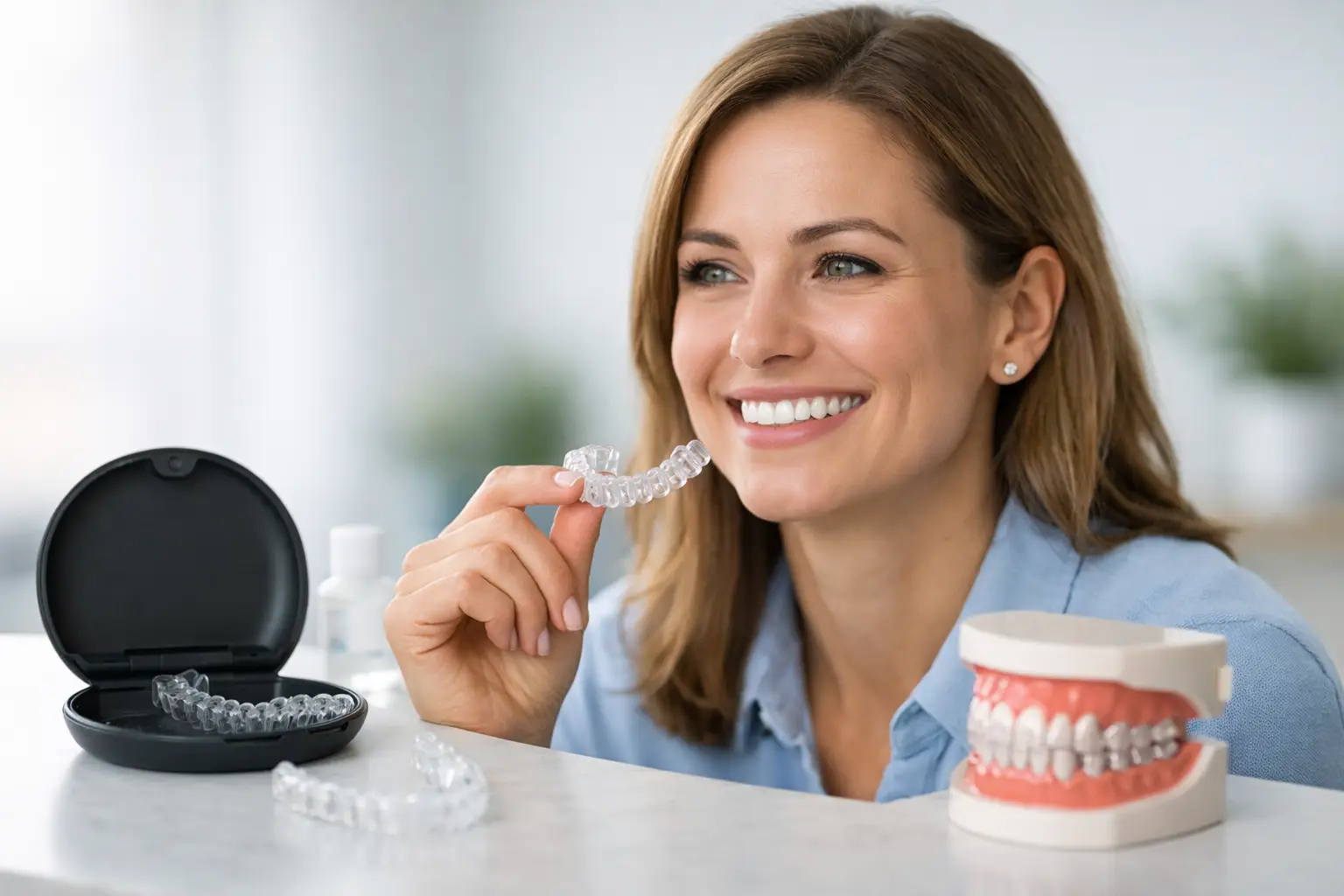
The appeal is easy to understand. Clear aligners are removable, nearly invisible, and generally more comfortable than brackets and wires. For adults with presentations, client meetings, events, or simply a strong preference for subtle treatment, that matters.
Comfort is another major reason people choose them. While aligners still create pressure as teeth move, there are no metal edges rubbing against cheeks and lips. Many adults also appreciate being able to remove aligners for meals, which means no major food restrictions. You can still enjoy a salad with nuts, a steak dinner, or popcorn at the movies without worrying about breaking a bracket.
Oral hygiene is often easier too. Since the trays come out, brushing and flossing can stay close to your normal routine. That is a real benefit for adults with crowns, dental work, or a history of gum sensitivity. Cleaner teeth and healthier gums support better orthodontic outcomes.
There is also a convenience factor. With digital planning and well-organized check-ins, treatment can feel more streamlined than many adults expect. For busy patients, fewer disruptions and a more predictable process make a difference.
Where clear aligners can fall short
A fair clear aligners for adults review has to cover the limitations, because this is where expectations can drift away from reality.
Clear aligners depend heavily on patient compliance. If you do not wear them for the recommended 20 to 22 hours a day, treatment can slow down or become less accurate. Adults often assume they will be more disciplined than teens, and many are. But business lunches, coffee habits, social events, and travel can add up quickly.
Some tooth movements are also more complex than they appear. Severe crowding, major bite changes, significant tooth rotation, and certain vertical movement issues may not respond as efficiently to aligners alone. In those situations, traditional braces may still be more effective, or a hybrid approach may be recommended.
Attachments can surprise people too. These are small tooth-colored shapes bonded to certain teeth to help the aligners grip and move them. They are usually subtle, but not always invisible at close range. They are worth it when they improve control, but patients should know about them before starting.
Speech changes are another temporary issue. Most adults adjust within a few days, but some notice a slight lisp at first. It typically improves quickly, though it can feel awkward during the early stage of treatment.
Who is usually a good candidate
Adults with mild to moderate crowding or spacing often do very well with clear aligners. They can also be a good fit for patients who had braces years ago and experienced relapse. Small shifts over time are common, especially if retainers were not worn consistently.
Adults who value routine tend to succeed with aligners. If you are organized, able to keep the trays in most of the day, and willing to follow instructions closely, your chances of a smooth experience are higher.
Healthy gums and stable dental conditions matter too. Before moving teeth, your dentist should evaluate for gum disease, untreated decay, failing restorations, and bite problems. Straightening teeth on an unhealthy foundation is not good care. This is one reason many adults benefit from being treated in a practice that can look at the full picture rather than only the alignment issue.
Cost, time, and what affects both
Adults understandably want a straight answer on price and treatment time. The honest answer is that both vary.
Cost depends on case complexity, treatment length, the aligner system being used, whether refinements are needed, and the experience behind the treatment planning. A simpler cosmetic alignment case is usually less expensive than a bite-focused case involving more stages and closer monitoring.
Treatment time can range from several months to well over a year. Mild corrections may move quickly. More involved cases take longer, especially when bite changes are part of the plan. If trays are not worn as directed, treatment can stretch beyond the original estimate.
This is where value matters more than the cheapest number. A lower-cost option can become expensive in other ways if the treatment plan is weak, support is limited, or the final bite is not stable. Adults should look beyond the headline price and ask what level of evaluation, monitoring, and follow-up is included.
In-office care versus mail-order aligners
This is one of the most important distinctions in any review.
In-office clear aligner treatment starts with a clinical exam, imaging, and a detailed assessment of the teeth, bite, jaw function, gum health, and any existing dental work. That means your provider is not just asking whether teeth can move. They are asking whether they should move, how they should move, and what needs attention first.
Mail-order or remote-first systems may seem convenient, but they remove much of that clinical oversight. Teeth do not move in a vacuum. Adults often have fillings, crowns, gum recession, clenching habits, or bite issues that can affect treatment choices. Without a thorough evaluation, problems can be missed.
For many adults, especially those investing in both appearance and long-term oral health, direct professional supervision is the safer and more reliable path. A well-planned aligner case should protect your bite, gum health, and overall dental stability, not just produce a straighter-looking front row of teeth.
What the treatment experience actually feels like
The first few days with a new set of trays usually bring pressure rather than sharp pain. That pressure is a sign the aligners are working. Most adults describe it as noticeable but manageable.
The bigger adjustment is behavioral. You need to take the trays out before eating or drinking anything besides water, brush before putting them back in, and keep track of wear time. That routine feels like a chore for some people and a nonissue for others.
You may also need small refinements at the end. This is normal. Teeth do not always track perfectly, even with careful planning. Refinement trays help fine-tune the final result and are often part of a quality-oriented process rather than a sign something went wrong.
Once treatment is done, retainers are not optional. Adults who skip retention often see teeth shift again. If you are not prepared to wear retainers as directed, aligners may not deliver the lasting value you expect.
How to judge whether clear aligners are worth it
For many adults, they are absolutely worth it. A more even smile can improve confidence, make oral hygiene easier, and in some cases reduce uneven wear or bite-related strain. But worth depends on your goals.
If your main goal is subtle cosmetic improvement and your case is appropriate, clear aligners can be one of the most comfortable and convenient ways to get there. If your case involves more complex movement or significant bite correction, worth may depend on whether aligners can truly do the job well rather than simply do part of it.
The best consultations are honest ones. A trustworthy dental team will tell you when aligners are a strong fit, when they are possible but not ideal, and when another treatment would serve you better. That kind of guidance protects both your smile and your investment.
At a comprehensive office like West Hollywood Smile Dental, adults often appreciate being able to evaluate alignment in the context of their complete dental health. If you have cosmetic goals, old dental work, gum concerns, or a busy schedule, coordinated care can make the process feel much more straightforward.
A good smile plan should feel comfortable, realistic, and tailored to your life. If clear aligners can offer that for you, they are more than a cosmetic upgrade – they are a practical step toward feeling better every time you speak, laugh, or see yourself in the mirror.

Wisdom Tooth Extraction Recovery Tips