
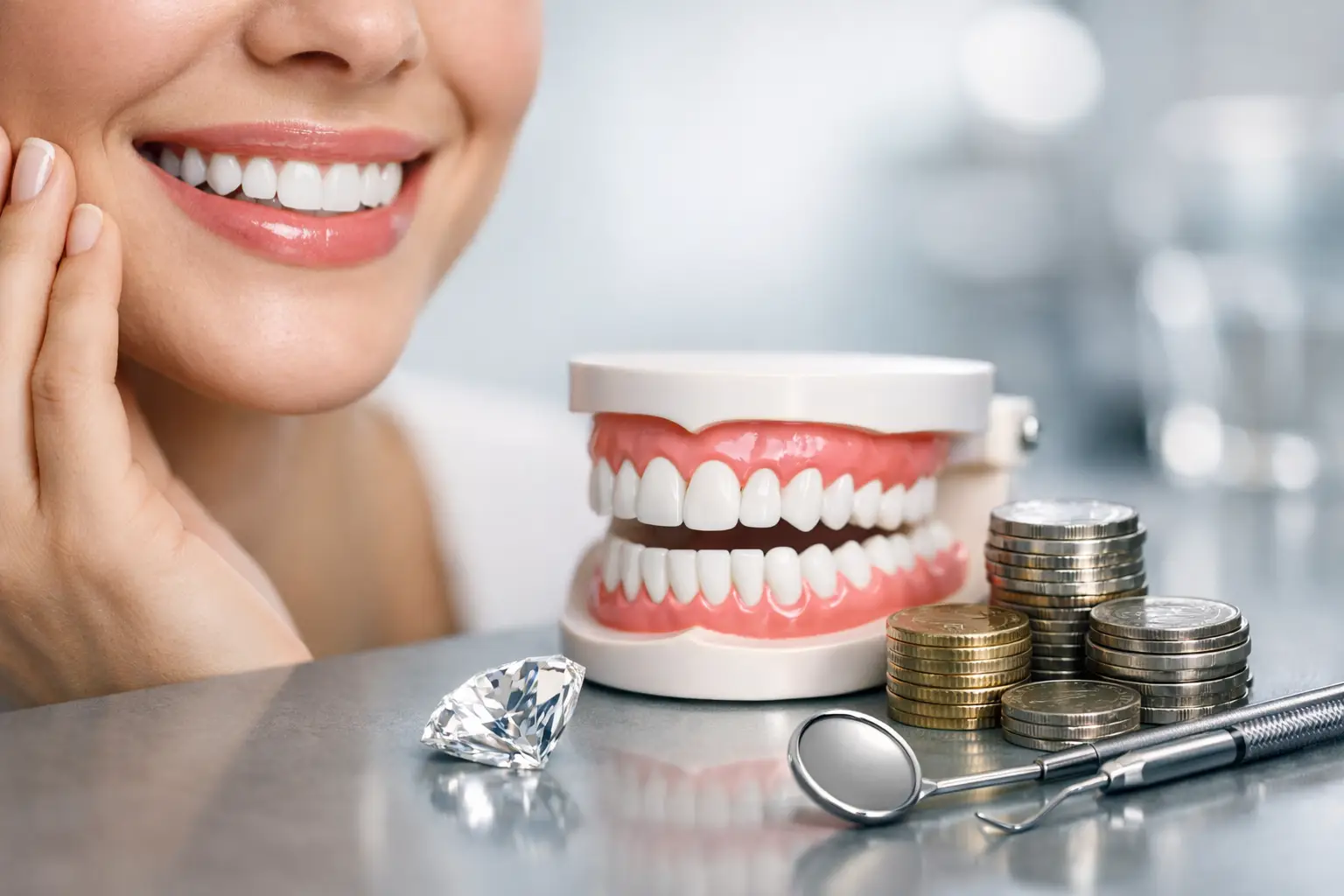
Is Cosmetic Dentistry Expensive?
A lot of patients ask the same question before they ever book a consultation: is cosmetic dentistry expensive? The honest answer is that it can be, but not always in the way people expect. Cosmetic dental care covers a wide range of treatments, and the price depends on what you want to change, how complex your case is, and whether your goals are mostly aesthetic, functional, or both.
For some people, cosmetic dentistry means professional whitening before a wedding or job change. For others, it means veneers, clear aligners, bonding, or a full smile makeover after years of wear, chips, staining, or missing teeth. Those are very different starting points, so the costs can vary just as much.
Is cosmetic dentistry expensive compared to general dental care?
Compared to a routine exam, cleaning, or filling, cosmetic treatment usually costs more. That is partly because many cosmetic procedures are elective, which means insurance may not cover them. It is also because these services often involve detailed planning, high-quality materials, artistic precision, and multiple appointments.
Still, expensive is relative. A simple bonding treatment to repair one chipped tooth may feel very manageable. A full set of porcelain veneers is a bigger investment. The question is less whether cosmetic dentistry is universally expensive and more whether a specific treatment makes sense for your smile, budget, and priorities.
That distinction matters. When treatment improves both appearance and function, the value can be stronger than patients first assume. Straightening teeth with aligners, for example, may improve smile appearance while also making brushing, flossing, and bite alignment easier. Replacing a missing tooth with an implant can improve appearance, chewing, and long-term bone support. In cases like these, the benefit is not only cosmetic.
What makes cosmetic dentistry cost more?
The biggest factor is the treatment itself. Whitening is generally one of the most affordable options because it is relatively straightforward. Bonding is often less expensive than veneers because it typically requires less lab work and fewer materials. Veneers, crowns, implants, and orthodontic treatment tend to cost more because they involve more planning, more chair time, and more advanced materials.
Another cost factor is how many teeth are involved. Whitening often treats the whole smile at once. Veneers might be placed on two teeth or ten. Clear aligners may address minor spacing or a more complex bite issue. The broader the treatment area, the more the investment usually increases.
Materials also matter. Porcelain generally costs more than composite because it is made in a dental lab, tends to be more stain-resistant, and can deliver a highly refined look. That does not mean porcelain is always the better choice. For some patients, composite bonding is a smart and attractive option, especially when the goal is a small correction rather than a dramatic transformation.
The dentist’s experience and the level of technology used can influence pricing too. Cosmetic dentistry is part science and part artistry. A natural-looking result requires shade matching, facial balance, bite evaluation, and attention to detail. Patients often feel the difference when a treatment looks beautiful and also feels comfortable and stable.
Common cosmetic treatments and how they compare
Teeth whitening is usually the most accessible entry point for patients who want a brighter smile without changing tooth shape or position. If discoloration is the main concern, whitening may offer a noticeable improvement at a lower cost than other cosmetic services.
Dental bonding is often a practical choice for small chips, gaps, worn edges, or minor shape corrections. It can be completed relatively quickly and usually costs less than porcelain restorations. The trade-off is that bonding may not last as long as porcelain and can be more prone to staining over time.
Veneers are one of the more premium cosmetic options because they can transform color, shape, symmetry, and overall smile design. They are popular for patients who want a polished, long-lasting result, but they do require a bigger financial commitment.
Clear aligners fall somewhere in the middle to upper range depending on case complexity. They are often chosen for cosmetic reasons, but they can also improve function. If crowding or spacing is affecting oral hygiene or bite comfort, the investment may carry practical benefits beyond appearance.
Dental implants are often seen as restorative, but they can also be part of cosmetic treatment when replacing missing teeth in visible areas. They tend to be one of the higher-cost options because they involve surgery, healing time, and restoration. Their long-term value can be significant, especially when compared with the impact of leaving a gap untreated.
Why the cheapest option is not always the least expensive
It is easy to compare cosmetic dentistry by sticker price alone, but that can be misleading. Lower-cost treatment may need repairs, replacement, or revisions sooner. A treatment that looks good at first but does not hold up well can become more expensive over time.
That does not mean every patient needs the most advanced or most costly option. It means the right choice should match your goals and your timeline. If you want a quick improvement for a small flaw, bonding may be ideal. If you want a more comprehensive smile upgrade with durability in mind, porcelain may offer better long-term value.
Good cosmetic care should be personalized, not pushed. A trustworthy dentist will explain what each option can realistically achieve, how long it may last, and where the trade-offs are. That kind of guidance helps patients avoid overspending on treatment they do not need or underspending on something that will not truly solve the problem.
Is cosmetic dentistry expensive if you only want a small change?
Not necessarily. Many patients assume cosmetic dentistry always means a full smile makeover, but small improvements can make a real difference. Whitening, contouring, or bonding one or two teeth may noticeably improve your smile without requiring a major investment.
This is where a consultation helps. You may come in thinking you need veneers when a more conservative option could get you very close to your goal. On the other hand, if you have multiple concerns such as color, alignment, and wear, combining treatments might be more efficient than addressing each issue separately over time.
A good treatment plan should reflect both what you want and what makes clinical sense. That includes protecting healthy tooth structure, improving comfort, and choosing options that fit your lifestyle.
How to make cosmetic dentistry more affordable
If cost is a concern, ask about phased treatment. Some patients do whitening first, then bonding or veneers later. Others address health needs first and complete cosmetic work in stages. Breaking treatment into steps can make the process more manageable financially and emotionally.
It also helps to ask whether any part of the treatment has a functional component. In some cases, a procedure that improves structure or restores damaged teeth may qualify differently than a purely elective service. Coverage varies, so it is worth reviewing benefits carefully.
Payment options can make a difference too. Many practices offer financing or in-house plans that help patients move forward without paying the full amount upfront. At West Hollywood Smile Dental, many patients appreciate having cosmetic, restorative, and preventive care in one office because it makes planning simpler and avoids the back-and-forth of multiple providers.
How to decide if it is worth it
The better question may be not is cosmetic dentistry expensive, but is it worth the investment for you. If you hide your smile in photos, feel self-conscious at work, or are dealing with worn or damaged teeth that affect confidence and comfort, cosmetic treatment can have a meaningful impact.
That said, worth is personal. Some patients want a dramatic transformation. Others want subtle refinements that look natural and never overdone. The best cosmetic dentistry respects that difference. It should support your health, match your features, and feel like an upgrade to your daily life, not just your reflection.
If you are considering cosmetic dental work, start with clarity instead of assumptions. Ask what bothers you most, what result you want, and what options fit your budget. A thoughtful dentist will help you compare choices honestly and build a plan that feels comfortable from every angle. The right smile investment is not always the biggest one. It is the one that gives you confidence, function, and lasting value.
10 Examples of Cosmetic Dentistry