When multiple teeth are broken, missing, painful, worn down, or difficult to chew with, treating one tooth at a time can feel like an endless cycle. A guide to full mouth restoration starts with a different idea: look at your entire smile, bite, health, and goals together, then build a treatment plan that makes sense for your life.
Full mouth restoration is not one procedure or a one-size-fits-all cosmetic makeover. It is a personalized combination of restorative, periodontal, surgical, and cosmetic treatments designed to rebuild function and appearance. For some patients, the priority is finally eating comfortably again. For others, it is replacing failing dental work, correcting a collapsed bite, or feeling confident enough to smile in photos without hesitation.
What Does Full Mouth Restoration Treat?
A full mouth restoration may be recommended when several dental concerns affect the way your teeth work together. Common reasons include widespread tooth decay, advanced gum disease, severely worn enamel, multiple missing teeth, broken or failing crowns, old bridgework, bite problems, or trauma.
Teeth can wear down slowly for years due to grinding, acid erosion, or an uneven bite. Missing teeth can allow neighboring teeth to shift and place extra stress on the jaw. In other cases, dental pain or repeated repairs make it clear that a more complete plan would be more predictable than patching problems as they arise.
The goal is not to perform the most treatment possible. It is to preserve healthy natural teeth whenever practical, remove infection or discomfort, restore reliable chewing, and create a smile that feels natural to you.
Your Guide to Full Mouth Restoration Begins With Planning
A thoughtful plan is the foundation of successful care. Before recommending treatment, your dental team needs to understand both the clinical picture and what matters most to you. That typically begins with a comprehensive exam, digital X-rays or 3D imaging when needed, photographs, and an evaluation of your bite, gums, jaw joints, and existing dental work.
You should also expect a conversation. Are you avoiding certain foods? Do you wake up with jaw soreness? Is your main concern pain, appearance, function, or all three? Do you have a timeline for an event, or would you prefer to phase treatment over time? Honest answers help shape a plan that is realistic, not generic.
In many cases, the treatment sequence matters as much as the treatments themselves. Active gum infection, for example, should be addressed before placing new crowns or implants. If a tooth cannot be saved, replacement options are considered early so the final bite is properly supported. Temporary restorations may be used to test comfort, speech, and appearance before final restorations are made.
Restoring Health Comes Before Final Cosmetics
A healthy foundation gives restorations their best chance of lasting. Deep cleaning or periodontal treatment may be needed when gum disease is present. Decay, cracked teeth, and infection may require fillings, root canal treatment, or extraction before the rebuilding phase can begin.
This stage can feel less exciting than choosing the color or shape of a new smile, but it is essential. Placing beautiful crowns over untreated inflammation or unstable teeth does not solve the underlying problem. A good plan protects your long-term oral health first.
Replacing Missing or Unsalvageable Teeth
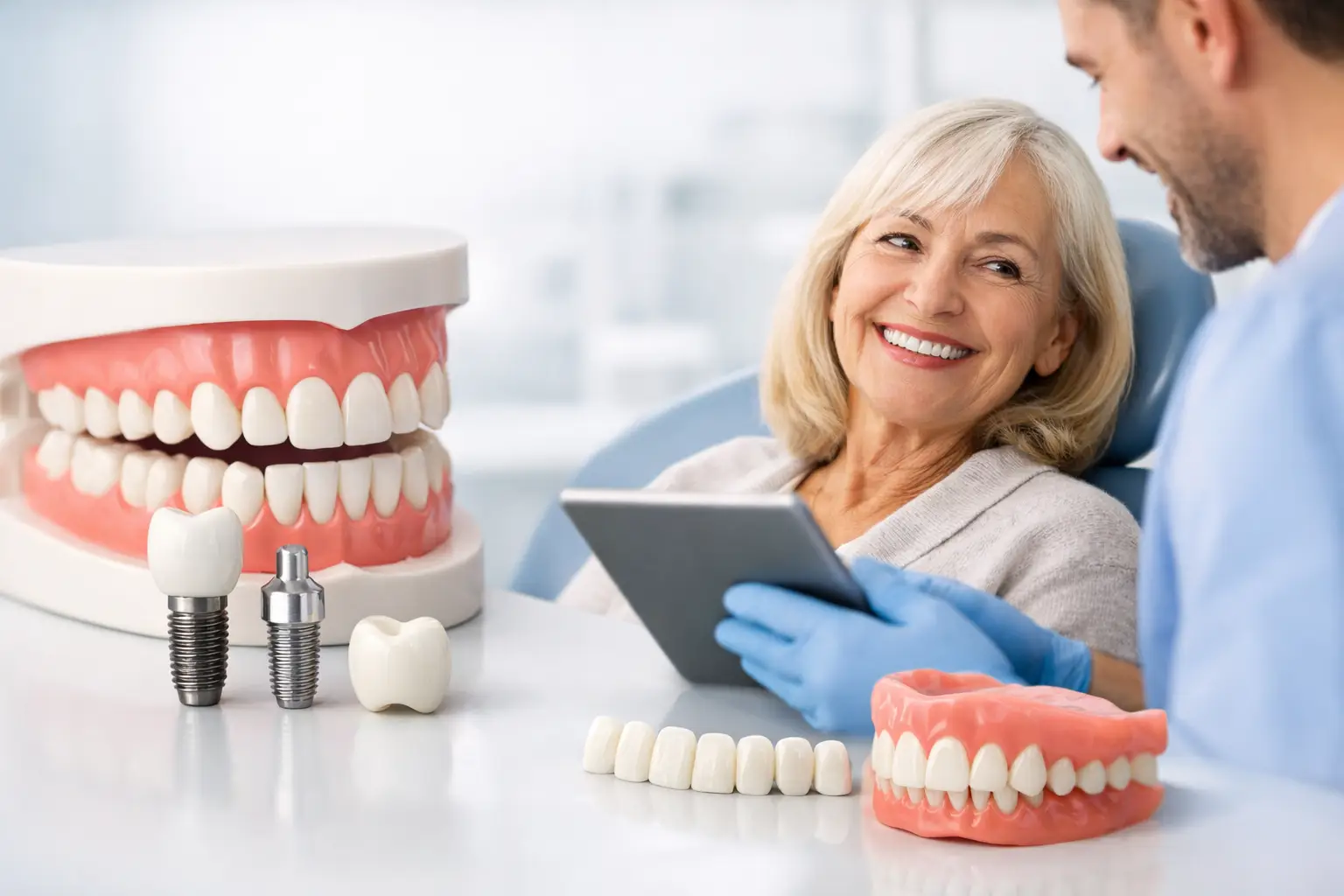
Dental implants are often a strong option for replacing missing teeth because they are designed to function like tooth roots and help support the bone in the jaw. An implant can hold a single crown, support a bridge, or stabilize a full arch of replacement teeth.
Implants are not the only choice. A fixed bridge may be appropriate when adjacent teeth already need crowns, and removable partial or full dentures can be a practical solution in certain situations. The right option depends on bone health, gum condition, the number and location of missing teeth, medical history, budget, and personal preferences.
An implant-based plan usually takes longer because healing is part of the process. That time can be worthwhile for many patients, but it is a trade-off worth discussing openly. A quality treatment plan should explain what is possible now, what needs time to heal, and what temporary options can keep you comfortable along the way.
Treatments That May Be Part of a Full Mouth Plan
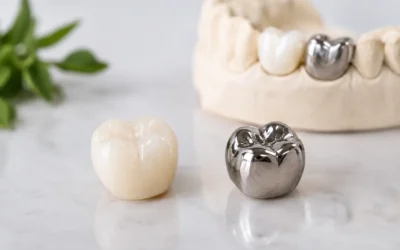
Full mouth restoration often combines several services, selected for a specific purpose. Crowns can protect weakened or root canal-treated teeth while restoring their shape and strength. Bridges can replace one or more missing teeth. Veneers may improve the appearance of healthy front teeth when shape, color, or minor alignment is a concern.
Dental implants, implant-supported bridges, and implant-supported dentures can replace missing teeth with added stability. Composite bonding may be useful for smaller repairs. In some cases, orthodontic treatment or clear aligners can move teeth into a healthier position before restorative work begins. A night guard may be recommended after treatment for patients who clench or grind, helping protect new restorations from excessive force.
Not every patient needs every option. A person with healthy gums and a few worn teeth may need a very different plan than someone managing gum disease, multiple extractions, and long-standing bite collapse. Personalized care means matching the solution to the problem rather than fitting the patient into a predetermined package.
What the Treatment Timeline Can Look Like
The length of treatment depends on the complexity of your needs. Some restorations can be completed in a matter of weeks. More extensive cases that involve gum therapy, extractions, bone grafting, implant healing, orthodontics, or multiple phases of restorative work may take several months or longer.
That does not necessarily mean you spend every week in the dental chair. Much of the time may be devoted to healing or allowing laboratory-crafted restorations to be made with precision. Your dental team should outline the expected phases so you know what to plan for at work, at home, and socially.
Many patients are concerned that restoration means spending months with an incomplete smile. Temporary crowns, bridges, or dentures can often provide a presentable, functional transition while final treatment is underway. The specifics depend on your clinical needs, but comfort and confidence should be part of the conversation from the beginning.
Comfort, Sedation, and the Fear Factor
If dental anxiety has kept you from getting care, you are not alone. Patients often delay treatment because they remember a difficult experience, worry about pain, or feel embarrassed about the condition of their teeth. A compassionate office should meet that concern with respect, never judgment.
Modern anesthesia, gentle techniques, and clear communication can make a substantial difference. For patients who need additional support, oral sedation may be an option depending on the procedure and health history. Let your dentist know about past anxiety, a sensitive gag reflex, difficulty getting numb, or any medical conditions and medications. These details help your care team plan for a calmer visit.
Questions to Ask Before You Commit
A full mouth restoration is a meaningful investment in your health, comfort, and self-confidence. You deserve to understand the plan before moving forward. Ask which teeth can be saved, which treatments are essential now, and which can safely be phased later. Ask what materials are recommended and why, what temporary solutions will be used, and how your bite will be checked before final restorations are placed.
It is also reasonable to discuss costs, insurance benefits, financing, and membership or payment options early. A clear financial conversation should never feel like an afterthought. Knowing your options can make it easier to choose a plan that supports both your dental needs and your budget.
Protecting Your Restored Smile
After treatment, everyday care has a major impact on longevity. Brush twice daily with a fluoride toothpaste, clean between teeth every day, and attend recommended checkups and cleanings. If you have implants, bridges, or other specialized restorations, your dental team can demonstrate the tools and techniques that keep hard-to-reach areas clean.
Avoid using teeth as tools, address grinding with a custom night guard if advised, and do not ignore a loose restoration, new sensitivity, or a change in your bite. Small adjustments are often easier to manage before they become larger repairs.
At West Hollywood Smile Dental, comprehensive care can bring restorative, cosmetic, surgical, and preventive needs together in one comfortable setting. The best next step is a consultation where you can be heard, examined carefully, and given clear answers. Your smile does not need to be perfect to deserve care – it simply needs a plan that helps you feel healthier and more at ease each time you use it.