
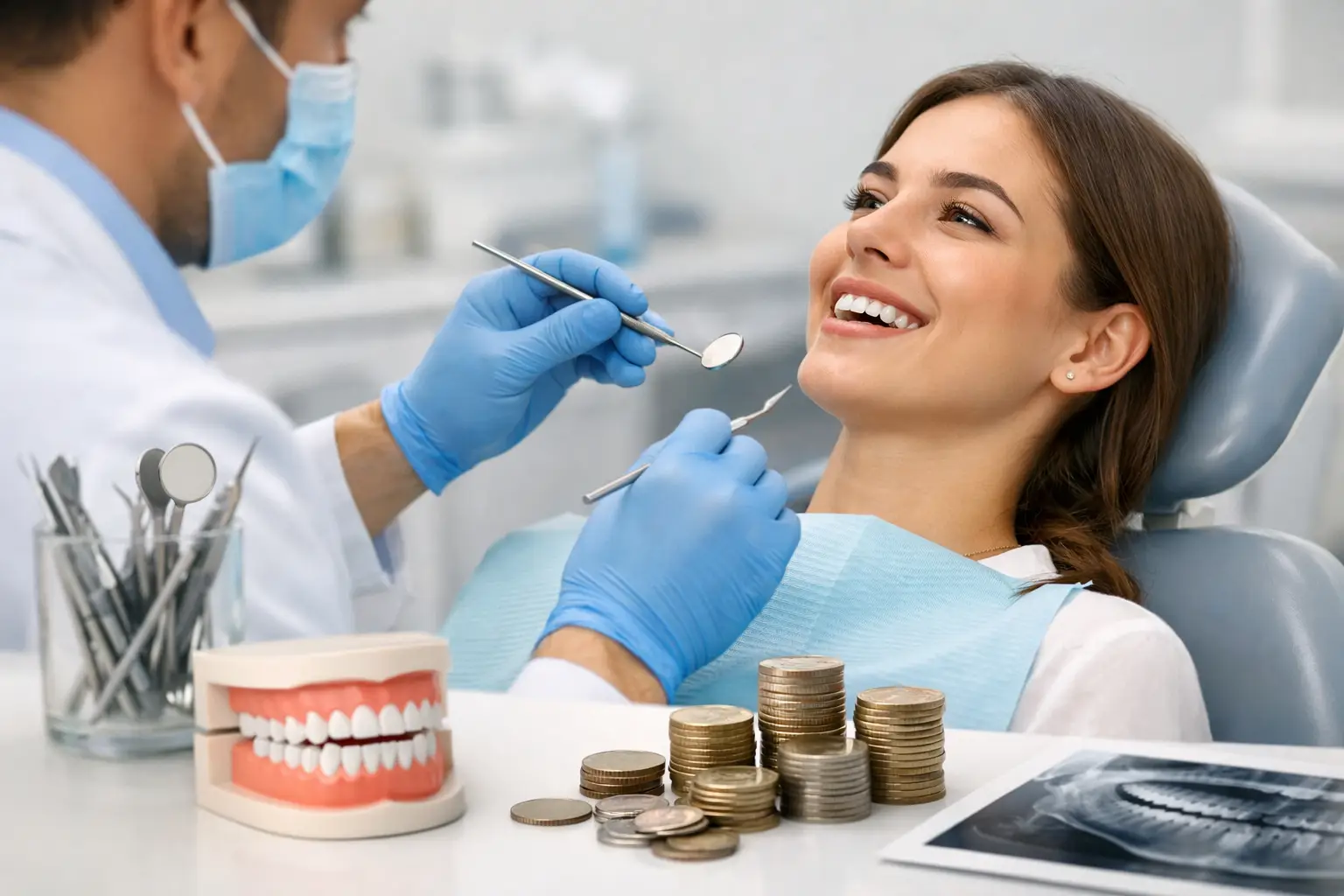
A dental visit should not come with financial surprises. If you are wondering, “how much does a dental exam cost,” the most useful answer is that it depends on whether you are a new or returning patient, whether X-rays are needed, and how your insurance benefits apply. A clear estimate before treatment helps you focus on what matters most: protecting your oral health in a comfortable, welcoming setting.
How Much Does a Dental Exam Cost?
For patients without insurance, a routine dental exam often ranges from about $50 to $200. A comprehensive new-patient exam may cost more, commonly around $100 to $300, because it generally involves a more detailed evaluation of your teeth, gums, bite, jaw, and medical history.
In the West Hollywood and greater Los Angeles area, fees can vary based on the office, the technology used, and the depth of the evaluation. A visit that includes a full series of X-rays, a cleaning, or an urgent assessment for pain will have a different cost than a quick periodic checkup.
For many insured patients, preventive exams are covered in full or close to full when completed within the plan’s allowed schedule. Most plans cover one or two exams per year, but the details matter. Your deductible, annual maximum, network status, and the type of exam can all affect what you pay out of pocket.
The best approach is simple: ask for an estimate before your visit and provide your insurance information in advance when possible. A caring dental team should be happy to explain the expected fees and help you understand your benefits.
What Is Included in a Dental Exam?
A dental exam is more than a quick look at your teeth. It is a preventive appointment designed to catch small concerns before they become painful, disruptive, and more expensive to treat.
During a routine exam, your dentist may check for cavities, worn or damaged restorations, gum inflammation, signs of oral cancer, bite concerns, tooth movement, and changes in your jaw or soft tissues. They may also evaluate existing crowns, veneers, bridges, implants, or fillings to make sure they remain healthy and functional.
A comprehensive exam for a new patient is usually more detailed. Your dentist may review your medical and dental history, discuss concerns such as sensitivity or teeth grinding, assess the appearance and function of your smile, and create a personalized care plan. For someone considering cosmetic dentistry, orthodontic treatment, or restorative care, this broader evaluation provides the foundation for thoughtful recommendations.
A cleaning is often scheduled with an exam, but it is not always included in the exam fee. The same is true for X-rays. When comparing dental exam prices, ask what is included rather than focusing only on the advertised starting price.
Routine Exam vs. Comprehensive Exam
A periodic exam is generally for an established patient returning for regular preventive care. The dentist checks for changes since your last visit and confirms that your teeth and gums remain on track.
A comprehensive exam is typically performed for a first visit, after a long gap in care, or when a patient has a more complex concern. It may require more time, more records, and additional diagnostic images. That extra detail can make the initial fee higher, but it also helps prevent treatment decisions from being based on incomplete information.
Do Dental X-Rays Cost Extra?
Often, yes. X-rays are billed separately in many offices, although some new-patient specials or preventive packages may include them. The cost depends on the type of images required. A few targeted X-rays for one painful tooth are different from a full-mouth series or a panoramic image used to evaluate the jaw, wisdom teeth, bone levels, or treatment planning needs.
X-rays are not taken simply as a routine add-on. They help identify concerns that cannot be seen during a visual examination, including decay between teeth, infection near a root, bone loss from gum disease, and issues beneath existing restorations. Your dentist should recommend images based on your history, symptoms, and clinical needs.
Factors That Affect Dental Exam Pricing
The same exam can have a different price from one patient to another for good reasons. Your oral health history and the purpose of the visit influence the level of care needed.
A new-patient appointment may cost more than a routine checkup because it requires a fuller assessment. If you have tooth pain, swelling, a broken tooth, or another urgent concern, you may need a limited emergency exam focused on diagnosing that specific issue. That visit may involve imaging and may lead to same-day treatment, such as a filling, root canal evaluation, or temporary repair.
The condition of your gums also matters. If a hygienist finds signs of active gum disease, a standard preventive cleaning may not be appropriate. A deep cleaning, also called scaling and root planing, is a separate treatment with its own fee because it addresses infection below the gumline. It is not something a dentist should recommend casually, but it can be essential for protecting your teeth and bone.
Technology and clinical expertise can influence fees as well. Digital imaging, intraoral cameras, advanced diagnostic tools, and an experienced multi-doctor team can support more precise care and a more comfortable patient experience. The goal is not to pay for extras you do not need. It is to receive a careful diagnosis and a treatment plan that makes sense for your health, comfort, timeline, and budget.
How Insurance Changes What You Pay
Dental insurance can make preventive care much more affordable, but it is not the same as a medical insurance plan that pays for everything. Most dental plans have annual limits, waiting periods for certain procedures, deductibles, and coverage percentages that vary by treatment category.
Preventive services, including exams, cleanings, and routine X-rays, are often covered at the highest percentage. Basic care such as fillings may be covered at a lower percentage, while major work such as crowns, bridges, implants, or dentures may require a larger patient contribution. Cosmetic services, including veneers and professional teeth whitening, are usually not covered because they are considered elective.
Even when an exam is listed as covered, there can be limitations. Your plan may only cover two exams in a calendar year, require a specific waiting period between visits, or pay differently if you visit an out-of-network practice. Before your appointment, confirm whether your plan is active and whether your preferred dentist is in network. Then ask the office to review your estimated responsibility.
An estimate is not a guarantee from the insurance company, but it gives you a practical starting point. A patient-centered office will help you understand the numbers without pressure and discuss payment options when treatment is recommended.
Is a Dental Exam Worth It Without Insurance?
Yes, especially if it has been a while since your last visit or you are noticing symptoms. Skipping exams to avoid a modest upfront fee can allow a small cavity, early gum inflammation, cracked filling, or bite issue to become a much larger expense later.
A routine visit can also provide reassurance. Many patients worry that a sensitive tooth automatically means a major procedure. Sometimes the solution is much simpler, such as a small filling, a bite adjustment, treatment for grinding, or guidance on home care. You do not have to guess or wait for discomfort to take over your schedule.
If you do not have insurance, ask whether the practice offers a membership plan, preventive care package, or financing options for larger treatment needs. These options can make ongoing care more predictable, particularly for families and patients planning restorative or cosmetic treatment.
Questions to Ask Before You Book
A short conversation before scheduling can prevent confusion at check-in. Ask whether the quoted amount is for a routine exam, a comprehensive new-patient exam, or an emergency exam. Confirm whether X-rays and cleaning are included, whether your insurance will be verified before the visit, and whether there are payment options if additional treatment is needed.
It is also reasonable to ask how much time is reserved for your appointment. A rushed evaluation may feel inexpensive at first, but a thorough exam gives your dentist the information needed to make recommendations that are appropriate for you. At West Hollywood Smile Dental, the focus is on personalized care that respects both your health and your time.
Your dental exam is a chance to get clear answers, not a reason to feel anxious about cost. Choose a practice that explains fees openly, listens to your concerns, and helps you move forward with a plan that feels comfortable and manageable.