Dental Bonding vs Veneers: Which Fits You?
A small chip on a front tooth can change how you feel in photos, meetings, and everyday conversations. When considering dental bonding vs veneers, the best choice is rarely about which treatment is “better.” It is about what your teeth need, how long you want the result to last, and how much change you want to make to your smile.
Both treatments can improve tooth shape, color, and symmetry. Both can create a natural-looking result in the hands of an experienced cosmetic dentist. But they work differently, require different levels of tooth preparation, and come with different long-term commitments.
Dental Bonding vs Veneers: The Key Difference
Dental bonding uses a tooth-colored composite resin that is shaped directly onto the tooth. Your dentist applies the material in layers, sculpts it to improve the tooth’s appearance, hardens it with a curing light, and polishes it. For many patients, bonding can be completed in one visit.
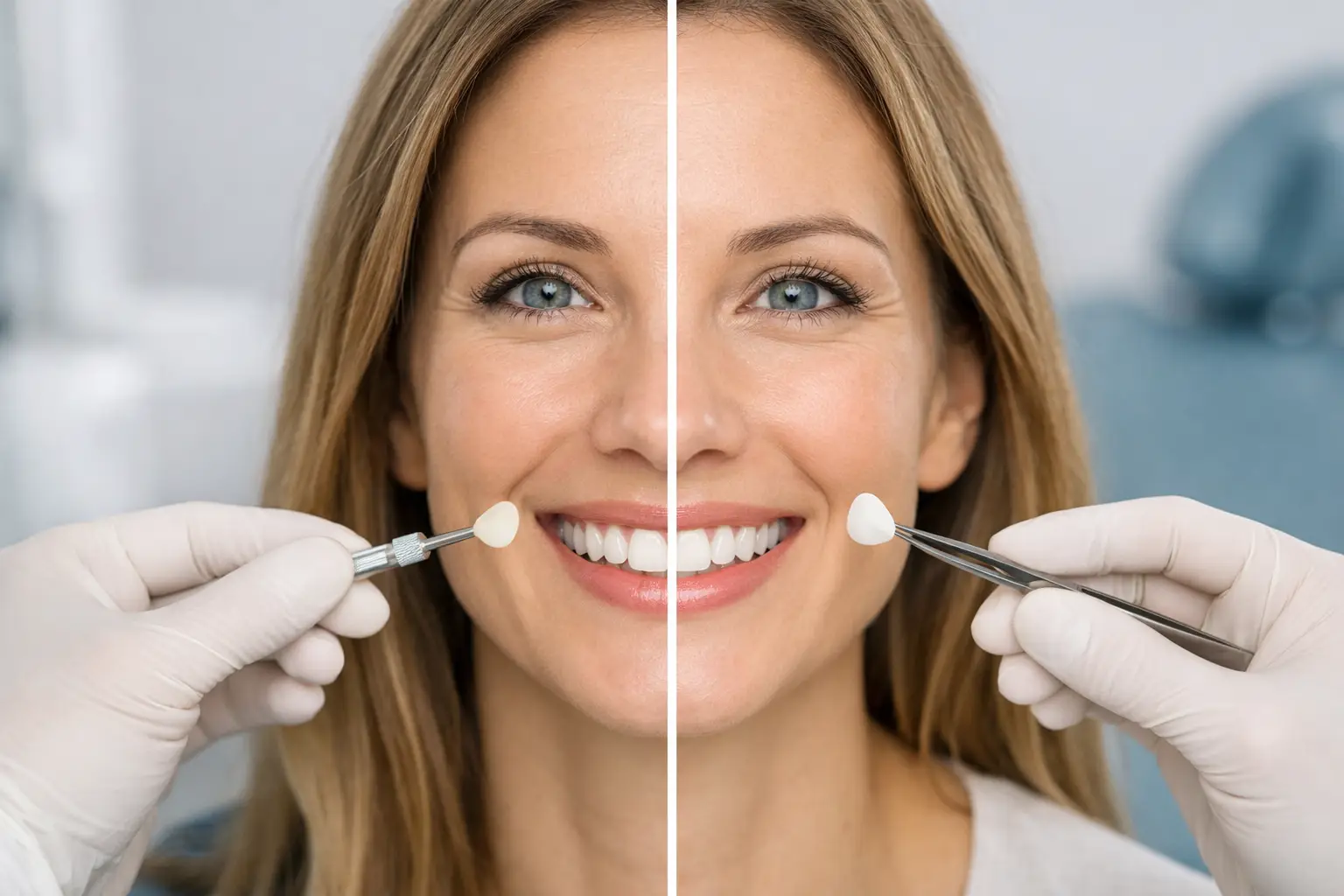
Veneers are thin, custom-made shells, most often crafted from porcelain, that cover the front surface of a tooth. They are designed in a dental lab or created with advanced in-office technology, then bonded permanently to the teeth. Because veneers are made to exact specifications, they can create a highly refined, consistent cosmetic result.
Bonding is generally more conservative and flexible. Veneers are generally more durable and stain-resistant. The right option depends on the condition of your teeth and your expectations for your smile.
When Dental Bonding May Be the Right Choice
Dental bonding is often a practical solution for minor cosmetic concerns. It can repair a small chip, soften a pointed tooth, close a narrow gap, cover localized discoloration, or make one tooth look more even with the teeth around it.
Because little to no enamel may need to be removed, bonding is appealing to patients who want a conservative treatment. It can also be a good choice when you are improving just one or two teeth rather than changing the look of your entire smile.
The appointment is usually straightforward and comfortable. In many cases, anesthesia is not necessary unless bonding is being combined with treatment for a cavity or the tooth has another sensitivity concern. The dentist selects a resin shade that blends with your natural teeth, then carefully shapes and polishes the material so it feels smooth and looks natural.
Bonding does have limits. Composite resin is not as strong as porcelain, so it can chip or wear over time, particularly if you bite your nails, chew ice, grind your teeth, or regularly bite into hard foods with your front teeth. It can also absorb stains from coffee, red wine, tea, and tobacco more easily than porcelain.
With thoughtful home care and regular dental visits, bonding may last several years before it needs polishing, repair, or replacement. The exact timeline varies based on the location of the bonding, your bite, and your habits.
When Veneers May Be Worth the Investment
Veneers are often chosen when a patient wants a more comprehensive smile enhancement. They can address several cosmetic concerns at once, including uneven tooth shape, worn edges, stubborn discoloration, small gaps, mild crowding, and teeth that appear too short or narrow.
Porcelain reflects light in a way that closely resembles natural enamel. It also resists staining very well, making veneers an attractive option for patients who want a brighter, more consistent smile that holds its color over time. If you have tried whitening but still see internal stains or uneven color, veneers may offer a more predictable improvement.
Creating veneers usually involves preparing a very small amount of enamel from the front of each treated tooth. This step makes room for the porcelain so the finished teeth do not look bulky. Although preparation is conservative, it is still a permanent change to the tooth. A veneer is not something you can simply remove and leave untreated later. It will eventually need replacement.
The process commonly takes at least two visits. At the planning visit, your dentist evaluates your teeth, gums, bite, facial proportions, and aesthetic goals. Temporary veneers may be used while the final restorations are being made. At the placement visit, the dentist checks the fit, color, and shape before bonding the veneers in place.
For patients seeking a significant, lasting cosmetic change, that additional planning is often exactly what makes veneers worthwhile.
Comparing Cost, Longevity, and Maintenance
Cost matters, especially when you are planning cosmetic care. Dental bonding typically has a lower upfront cost per tooth because it uses composite resin and can often be completed in one appointment. Veneers cost more because they involve custom design, high-quality materials, laboratory work, and a more detailed treatment process.
However, upfront price is only one part of the decision. Bonding may require occasional touch-ups or replacement sooner, while porcelain veneers often last longer with proper care. A consultation can help you compare the likely long-term investment based on the number of teeth you want to treat.
Maintenance for both options begins with the basics: brush twice daily with a nonabrasive toothpaste, floss daily, and keep up with professional cleanings and exams. Avoid using your teeth to open packages or hold objects. If you clench or grind at night, a custom night guard can help protect both bonding and veneers from excess pressure.
Whitening is another point to consider. Natural teeth can be whitened, but neither composite resin nor porcelain changes color with whitening gel. If you are considering bonding or veneers on visible front teeth, whitening your natural teeth first may help your dentist match the final shade more accurately.
Your Bite and Gum Health Come First
A beautiful cosmetic result should also be healthy and functional. Before recommending bonding or veneers, a dentist should check for cavities, gum inflammation, old leaking fillings, cracked teeth, and bite problems. Placing cosmetic material over an untreated issue may lead to discomfort or early failure.
Your bite is especially important. If your front teeth hit edge-to-edge, if you have significant grinding, or if your teeth are severely crowded, veneers or bonding alone may not be the best first step. Orthodontic treatment, a night guard, or restorative care may be recommended before cosmetic treatment so the final result has better support.
Gum health also frames the smile. When gums are inflamed or uneven, even beautifully shaped teeth may not look their best. A personalized plan may include a cleaning, periodontal care, whitening, or other preparatory treatment before the cosmetic work begins.
How to Choose Between Bonding and Veneers
If your concern is small and isolated, bonding is often the sensible place to start. It preserves more natural tooth structure, takes less time, and can make a meaningful difference without committing to a full smile makeover.
If you want to improve several visible teeth, have deeper discoloration or more extensive wear, or want a longer-lasting material with stronger stain resistance, veneers may better match your goals. They are not automatically the right choice simply because they are more comprehensive. A natural-looking smile should suit your face, bite, lifestyle, and comfort level.
It is also reasonable to combine treatments. For example, a patient may choose veneers on a few front teeth while using bonding to refine a neighboring tooth. The best plans are customized, not one-size-fits-all.
A Comfortable, Personalized Cosmetic Consultation
At West Hollywood Smile Dental, cosmetic treatment begins with listening. Your dentist can examine your teeth, discuss what you would like to change, and explain whether bonding, veneers, whitening, orthodontics, or a combination of care would give you the healthiest and most natural-looking result.
Bring photos of smiles you like, but also be honest about what feels unlike you. Some patients want a bright Hollywood finish; others want subtle refinements that no one can quite identify. Both goals are valid, and a thoughtful plan should respect your preferences, budget, and long-term dental health.
The most satisfying cosmetic choice is one that lets you smile freely while still feeling like yourself. A personalized consultation can turn that goal into a treatment plan you can feel confident about.

A Practical Guide to Dental Implant Recovery