How Long Do Dental Implants Last?
A dental implant is not the kind of treatment most people want to redo in a few years. If you’re asking how long do dental implants last, the short answer is that the implant post itself can last decades, and in many cases, a lifetime. The part attached on top, such as the crown, may need replacement sooner because it handles daily chewing and wear.
That simple answer helps, but it leaves out the part patients really care about: what makes one implant last for many years while another runs into trouble early. The difference usually comes down to planning, oral health, habits, and follow-up care.
How long do dental implants last in real life?
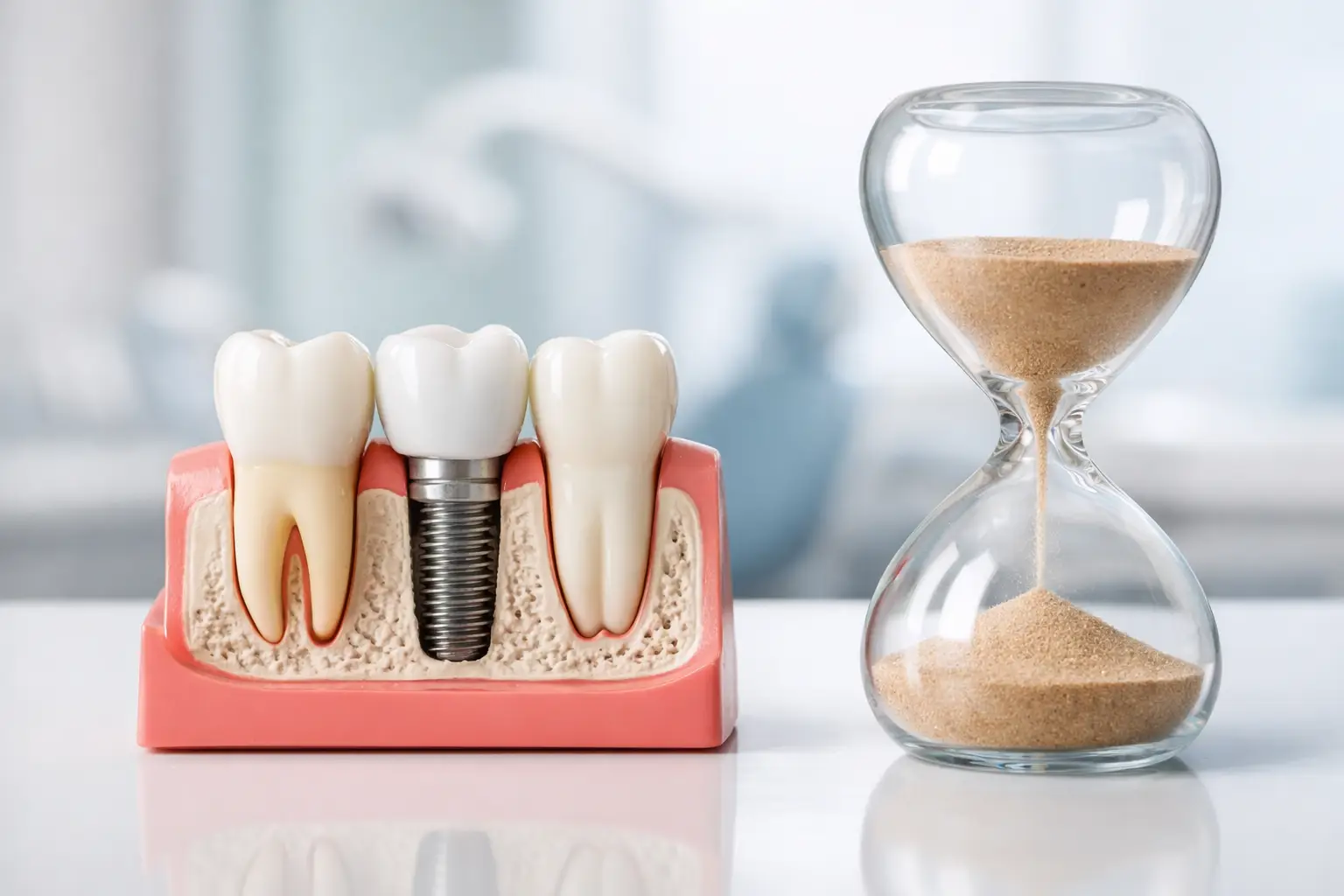
Dental implants are designed to be a long-term tooth replacement. The titanium post placed in the jawbone often lasts 20 years or more, and many patients keep their implant posts much longer. Once the implant heals into the bone, it becomes a very stable foundation for a crown, bridge, or denture.
The restoration on top has a different life expectancy. A dental crown on an implant commonly lasts 10 to 15 years, sometimes longer with excellent care. If a patient grinds their teeth, has a heavy bite, or skips regular dental visits, that crown may wear down faster. This is why dentists often separate the lifespan of the implant itself from the lifespan of the visible tooth on top.
For patients, that is usually good news. Replacing a worn crown is generally much simpler than replacing the implant post in the bone.
What affects how long dental implants last?
No dentist can promise an exact number of years because every mouth is different. Still, a few factors matter more than anything else.
Bone health and implant placement
A strong implant starts with strong support. The jawbone needs enough height and density to hold the implant securely. If bone loss has already happened, a bone graft may be recommended before or during treatment. That extra step can improve long-term stability.
Placement matters just as much. Proper position affects how force travels through the implant when you chew, bite, and speak. An implant that is well planned and well placed has a much better chance of staying healthy over time.
Gum health
Implants do not get cavities, but the gums and bone around them can still become infected. When plaque builds up around an implant, it can lead to inflammation and bone loss. This condition, often called peri-implant disease, is one of the most common reasons implants fail.
That is why healthy gums are not optional. Patients who already have active gum disease need to get that under control before moving forward with implant treatment.
Daily habits
The little things add up. Brushing twice a day, cleaning between the teeth, and keeping regular hygiene visits make a real difference. Smoking works in the opposite direction. It can slow healing, affect blood flow, and raise the risk of implant complications.
Teeth grinding can also shorten the life of the crown or put extra stress on the implant. In those cases, a night guard may help protect the investment.
Overall health
Certain medical conditions can affect healing and long-term implant success. Diabetes is a common example, especially when blood sugar is not well controlled. Some medications and immune-related conditions may also influence healing. That does not automatically rule out implants, but it does mean treatment should be planned carefully.
Why some dental implants fail early
Most dental implants are successful, but early failure can happen. Sometimes the implant does not fully integrate with the bone during healing. In other cases, infection, too much pressure during healing, or underlying health issues interfere with the process.
This is one reason careful evaluation matters. Good imaging, a full health review, and personalized treatment planning reduce avoidable risk. It is also why following instructions after surgery is so important. Healing is not the time to test your bite with crunchy snacks or skip cleaning because the area feels sensitive.
If an implant fails early, it does not always mean implants are off the table forever. Many patients can still be retreated after the site heals and any contributing issue is addressed.
Signs your implant may need attention
A healthy implant should feel stable and comfortable. If something changes, do not ignore it. Pain when chewing, gum swelling, bleeding around the implant, a loose feeling, or a crown that suddenly feels off can all be signs that something needs evaluation.
Sometimes the issue is minor, such as a loose screw or worn crown. Sometimes it is a deeper problem involving the gum or bone. Either way, early attention usually leads to simpler treatment.
How to make dental implants last longer
The best way to protect an implant is to treat it like a long-term investment, not a one-time fix. Home care matters, but professional maintenance matters too.
Brush gently but thoroughly around the implant every day. Clean between the teeth with floss, threaders, or other tools your dentist recommends. Keep up with exams and cleanings so small problems can be caught before they turn into bigger ones. If you smoke, cutting back or quitting can improve long-term results. If you grind your teeth, wearing a night guard can protect both natural teeth and implant restorations.
Diet plays a role as well, especially right after placement. During healing, softer foods are usually safer. Long term, avoid using your teeth as tools and be careful with habits like chewing ice.
Are dental implants more durable than other options?
In many cases, yes. Traditional bridges and removable dentures can work very well, but they have different trade-offs. A bridge may need replacement after years of wear and may involve reshaping neighboring teeth. A denture can loosen over time as the jawbone changes and may require periodic adjustments or replacement.
An implant stands on its own and helps preserve bone in the area where the tooth was lost. That support is a major reason so many patients see implants as the closest option to a natural tooth. They are not the cheapest treatment upfront, but they often offer strong long-term value because of their stability, function, and appearance.
How long do dental implants last compared to crowns and bridges?
This is where expectations matter. People sometimes hear that implants can last a lifetime and assume every part of the restoration will never need attention. In reality, the implant post and the crown are different components with different lifespans.
A natural-tooth crown, a bridge, and an implant crown can all eventually wear out or need replacement. What makes implants appealing is that the root replacement in the bone can remain in place for many years even if the top restoration needs maintenance later. That can make future care more predictable.
Who tends to get the longest-lasting results?
Patients with the best long-term outcomes are not always the ones with perfect teeth. More often, they are the ones who stay consistent. They come in for preventive visits, ask questions, follow instructions, and deal with problems early.
They also work with a dental team that looks at the full picture. Implant treatment is not only about placing a post in the bone. It involves bite alignment, gum health, restoration design, comfort, and long-term follow-up. In a full-service office, patients often benefit from having preventive, restorative, and surgical care coordinated in one place rather than bouncing between providers.
That continuity can be especially helpful for busy adults and families who want care to feel organized, efficient, and personal.
When is it time to replace part of an implant restoration?
Not every issue means the implant itself has failed. Sometimes only the crown needs to be replaced because of chips, wear, or cosmetic changes. In other situations, a connector piece may need adjustment or replacement. If the implant post remains healthy and integrated, those updates are usually straightforward.
This is another reason regular exams matter. Dentists can often spot bite wear, gum irritation, or changes in fit before you feel major symptoms. A small fix at the right time can extend the life of the entire restoration.
For most patients, dental implants are one of the longest-lasting and most dependable ways to replace missing teeth. The exact timeline depends on your health, your habits, and the quality of ongoing care, but the goal is always the same: a replacement that feels secure, looks natural, and keeps serving you well for years. If you’re considering implants, the best next step is a personalized exam so you can understand what kind of lifespan to expect in your own smile.