When to Call an Emergency Dentist
A cracked tooth at 8 p.m. feels very different from a small cavity you have been meaning to fix. So does a swollen jaw before work, a knocked-out tooth after a fall, or pain that keeps you awake all night. In those moments, knowing when to call an emergency dentist can make the difference between quick relief and a problem that becomes harder, more painful, and more expensive to treat.
Dental emergencies are not always dramatic, but they are time-sensitive. Some issues need same-day care to stop pain, control infection, or protect a tooth from being lost. Others can wait a day or two with the right home care. The key is knowing which is which and getting help from a dental team that can respond quickly, keep you comfortable, and treat the problem in one place whenever possible.
What counts as a dental emergency?
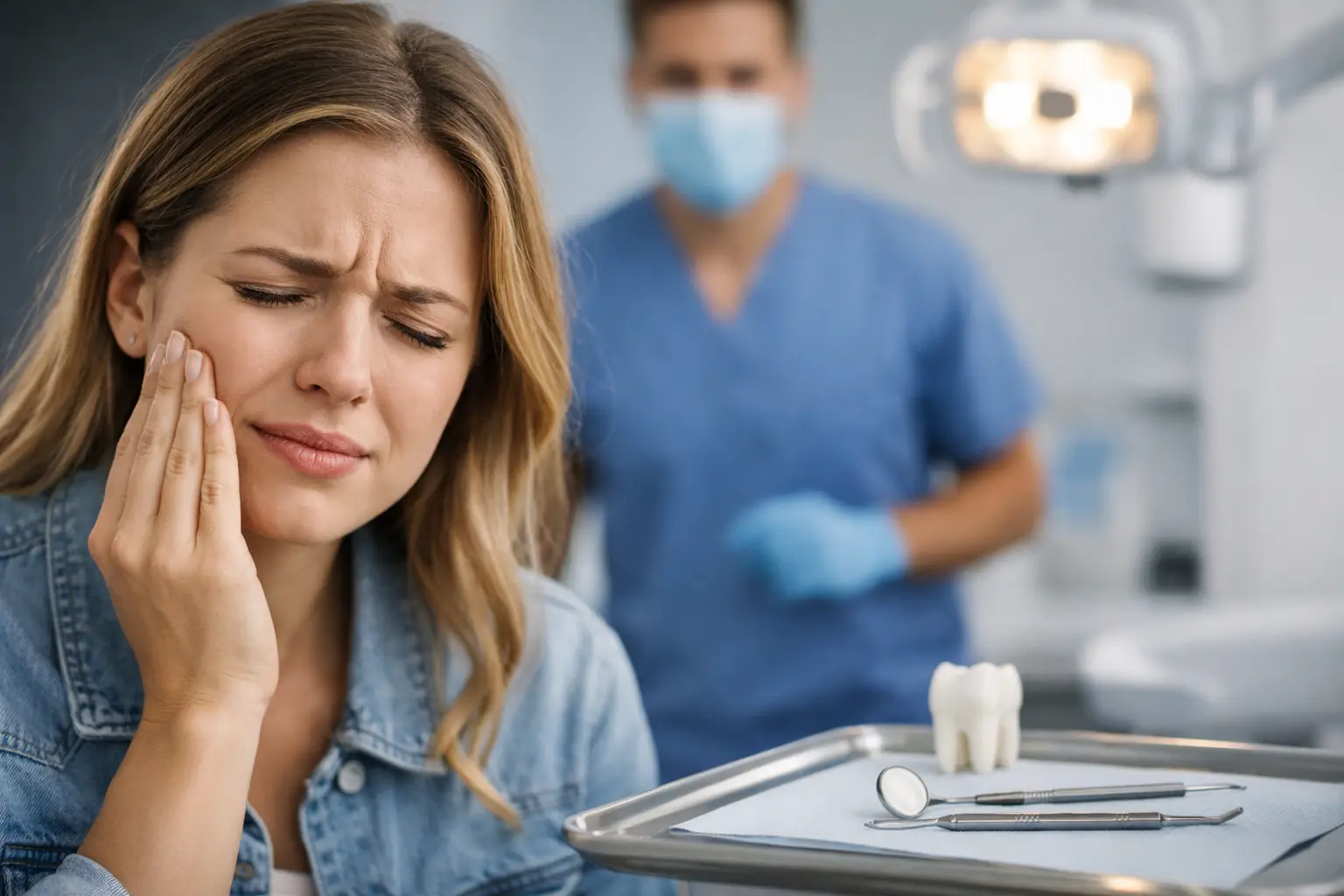
A true dental emergency is any problem involving severe pain, uncontrolled bleeding, trauma, swelling, or a risk of permanent damage if treatment is delayed. That can include a knocked-out tooth, a cracked or broken tooth with nerve exposure, a painful abscess, a lost crown on a tooth that already feels fragile, or swelling that affects your face, gums, or jaw.
Not every urgent dental problem looks extreme at first. A toothache that starts as a dull ache can turn into a deep infection. A chipped tooth may seem minor until the edge cuts your tongue or the crack spreads. Even a lost filling can become urgent if the tooth is suddenly sensitive to air, pressure, or temperature.
If you are unsure, pain is usually a useful clue. Mild discomfort that improves may be frustrating but not emergent. Sharp pain, throbbing pain, swelling, fever, pus, or pain when biting down should not be ignored.
Signs you should see an emergency dentist right away
There are a few situations where waiting is rarely the right call. A knocked-out adult tooth is one of them. The sooner that tooth is evaluated, the better the chance it can be saved. Time matters.
A broken tooth can also require immediate attention, especially if you can see a deep crack, feel a jagged edge, or notice bleeding from inside the tooth. In many cases, the real concern is not only the break you can see. It is the damage underneath, where the nerve or root may be involved.
Facial swelling is another reason to call immediately. Swelling often signals infection, and dental infections can spread beyond the tooth and gums. If you have swelling with fever, trouble swallowing, or difficulty breathing, seek emergency medical care right away.
Bleeding that does not stop after pressure is also urgent. The same goes for severe pain after a dental procedure, especially if it keeps getting worse instead of better.
When it may be urgent, but not necessarily immediate
Some problems need prompt attention even if they are not life-threatening. A lost filling, loose crown, broken denture, or moderate toothache may not require an after-hours visit, but they should still be addressed quickly. The longer a damaged tooth stays unprotected, the more likely it is to crack further, decay, or become infected.
This is where a same-day or next-day appointment can be very helpful. Many patients assume they need to wait until the pain becomes unbearable. Usually, it is better to come in earlier, when treatment is simpler and your options are broader.
What to do before you get to the office
The right first step at home depends on the problem. If a tooth has been knocked out, hold it by the crown, not the root. If it is dirty, rinse it gently with water without scrubbing. If possible, place it back into the socket. If that is not possible, keep it moist in milk or saliva and get to the dentist quickly.
If you have swelling, use a cold compress on the outside of your face in short intervals. This can help reduce discomfort, but it will not treat the source of the problem. Do not place aspirin directly on the gum or tooth. That old advice can irritate the tissue and make things worse.
For a broken tooth, rinse your mouth with warm water and save any pieces if you can find them. If there is bleeding, apply gentle pressure with clean gauze. With a lost crown or filling, keep the area clean and avoid chewing on that side.
Over-the-counter pain relief may help in the short term, but it is not the treatment. It is just a bridge until you are seen.
How an emergency dentist treats the problem
One of the biggest misconceptions about emergency care is that the visit is only about pain medication. In reality, the goal is to diagnose the source of the problem and stabilize it as quickly as possible. That might mean draining an infection, repairing a broken tooth, replacing a restoration, performing root canal treatment, or extracting a tooth that cannot be saved.
The right treatment depends on what caused the emergency in the first place. A toothache could be decay, a cracked tooth, gum infection, grinding-related trauma, or a failing filling. Two people can have similar pain and need very different solutions.
This is why comprehensive care matters. If your office can handle emergency exams, digital imaging, restorative treatment, and surgical procedures under one roof, your care tends to move faster and with less stress. You are not left trying to coordinate referrals while dealing with pain.
Comfort matters during emergency dental care
When people search for urgent dental treatment, they are usually looking for two things at once. They want the problem fixed, and they want the experience to feel manageable.
That second part matters more than many patients realize. Dental emergencies often come with anxiety, embarrassment, or fear of bad news. A compassionate team, clear communication, and a gentle touch can change the entire experience. It is easier to say yes to treatment when you feel heard, not rushed.
For some patients, comfort also means access to modern technology, efficient diagnostics, and options like oral sedation when appropriate. These details are not just nice extras. In an emergency, they can make care more precise and less overwhelming.
Why waiting can make a small problem bigger
Dental problems rarely stay still. A cracked tooth may deepen. A cavity can reach the nerve. A mild infection can spread. A temporary repair that could have bought time may no longer be enough after a few more days of pressure and inflammation.
There is also the issue of cost. Patients often delay care because they hope the pain will pass or they are worried about the expense. Ironically, postponing treatment is what often turns a simpler fix into a more involved one. A filling may become a crown. A crown may become a root canal. A root canal may become an extraction and replacement.
That does not mean every urgent issue leads to the worst-case scenario. It means earlier care gives you more choices.
Choosing the right emergency dentist
If you ever need urgent care, you do not want to spend that moment sorting through confusing options. It helps to know what makes a dental office truly prepared for emergencies.
Responsiveness is a big part of it. Can the office offer same-day appointments when possible? Do they know how to triage symptoms and tell you whether you need immediate care? Are they equipped to treat both the pain and the cause?
Experience matters too, especially when emergencies involve trauma, infection, or complex restorative needs. An office that provides preventive, cosmetic, restorative, and surgical services can often deliver more complete care without sending you elsewhere. For patients in West Hollywood and nearby Los Angeles neighborhoods, that kind of convenience is more than a luxury. When you are in pain, it is a genuine benefit.
Not every emergency is preventable, but many are
Accidents happen. Sports injuries, falls, and sudden bites on something hard can surprise anyone. But many dental emergencies grow out of issues that were quietly developing for months.
Regular exams, cleanings, and early treatment lower the chances of an after-hours toothache or a sudden broken tooth. So does wearing a mouthguard for sports and addressing grinding before it causes fractures. If you have an old crown, large filling, or recurring sensitivity, it is worth having it checked before it becomes urgent.
At West Hollywood Smile Dental, we see this often. Patients who stay on top of routine care usually have fewer emergencies, and when urgent issues do happen, their treatment tends to be simpler.
If your mouth is telling you something is wrong, trust that signal. You do not need to wait until the pain is unbearable to get help. A timely call can protect your tooth, ease your stress, and get you back to feeling like yourself again.