
Most people know a dental cleaning helps prevent cavities and gum disease. The less obvious question is: how often should teeth be cleaned when your schedule, health history, and daily habits are unique? For many adults and children, twice-yearly visits are an excellent starting point. But a six-month schedule is not a one-size-fits-all rule.
A professional cleaning removes hardened plaque, called tartar or calculus, that brushing and flossing cannot remove at home. It also gives your dental team a chance to look for early signs of tooth decay, gum inflammation, worn fillings, grinding, and other concerns that can become more complicated when left untreated. Regular care is not about selling more appointments. It is about choosing the preventive schedule that gives your smile the best chance to stay healthy and comfortable.
How Often Should Teeth Be Cleaned for Most People?
For patients with healthy teeth and gums, a cleaning and exam every six months is the standard recommendation. This timing is practical: plaque can build up in areas a toothbrush misses, and twice-yearly exams make it easier to catch small changes before they lead to pain, more extensive treatment, or a dental emergency.
That said, some people may do well with cleanings every nine to 12 months, while others benefit from visits every three or four months. Your dentist and hygienist should recommend a schedule based on what they see in your mouth, not simply place everyone on the same calendar.
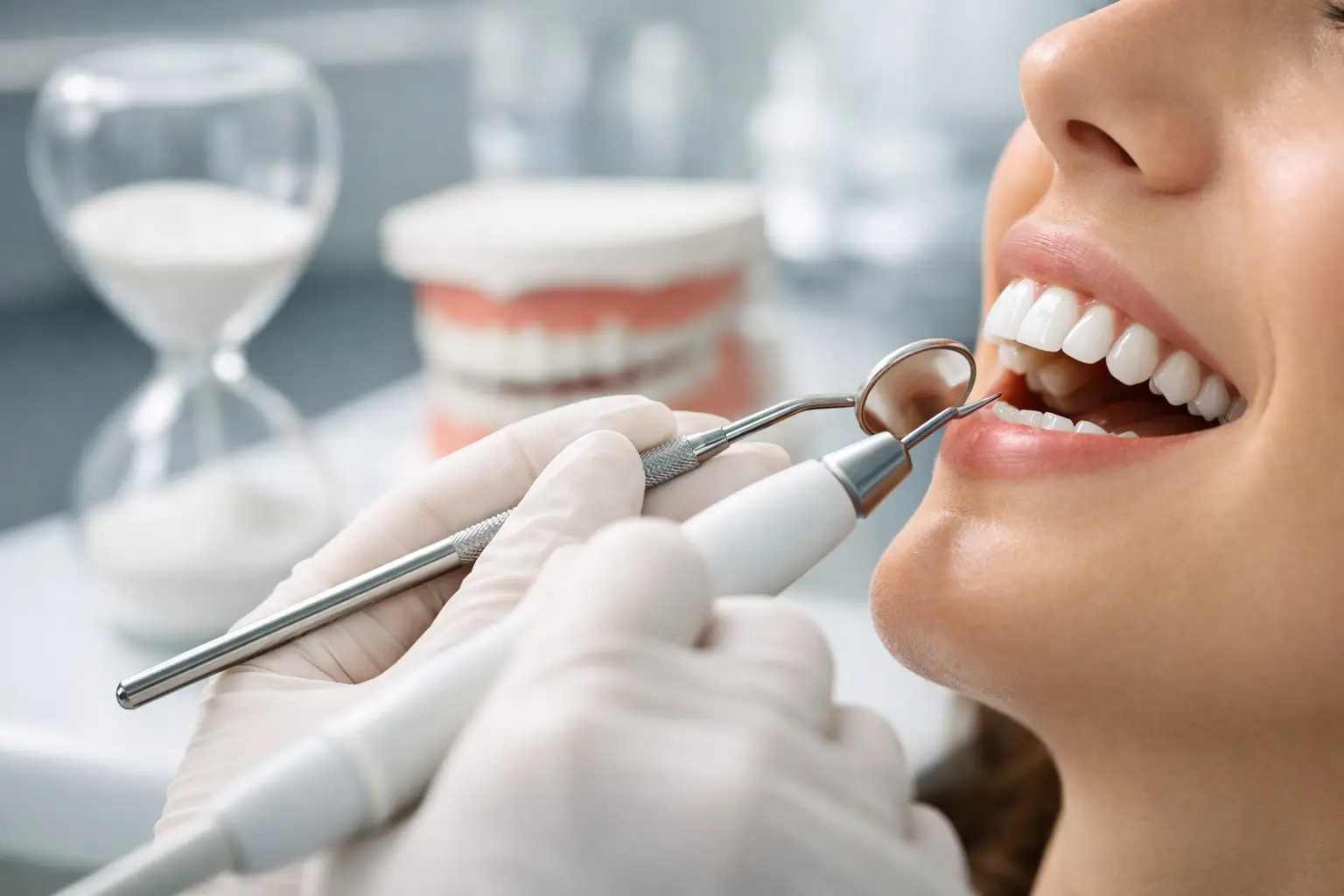
A routine cleaning generally focuses on removing plaque and tartar above and near the gumline, polishing the teeth, and reviewing your oral health. It is preventive care for a healthy mouth. If there are signs of active gum disease, the appropriate treatment may be different.
When More Frequent Cleanings Make Sense
More frequent cleanings are often recommended for patients who are at higher risk for gum disease or tooth decay. A three- or four-month schedule can help keep bacteria under better control and allow the dental team to monitor the gums more closely.
You may benefit from additional visits if you have had gum disease in the past, bleeding gums, deep gum pockets, significant tartar buildup, frequent cavities, dry mouth, diabetes, or a weakened immune system. Smoking and vaping can also affect gum health and may make it harder to notice early inflammation. Pregnancy is another time when gums can become more sensitive and prone to bleeding, so keeping up with preventive care is especially worthwhile.
Orthodontic treatment can change the equation, too. Braces, clear aligner attachments, retainers, crowns, bridges, and dental implants all create areas where plaque can hide. That does not automatically mean you need a cleaning every three months, but it does make a personalized recommendation more valuable.
Frequent cleanings are not a punishment for imperfect brushing. They are a supportive plan for patients whose mouths need closer attention. With the right schedule and good home care, many people can stabilize their gum health and eventually require fewer maintenance visits.
Your Home Routine Still Matters
Professional cleanings work best alongside consistent care at home. Brushing twice daily with fluoride toothpaste, cleaning between the teeth every day, and replacing a worn toothbrush or brush head all help reduce plaque before it hardens.
Technique matters as much as effort. A rushed brush can miss the gumline, the backs of the lower front teeth, and the far back molars. If your hygienist points out areas of buildup, think of it as useful coaching rather than criticism. Small adjustments can make your next visit easier and help protect your results between appointments.
Cleaning vs. Deep Cleaning: What Is the Difference?
Patients sometimes hear the term “deep cleaning” and assume it is simply a more thorough version of a regular cleaning. It is not. A deep cleaning, often called scaling and root planing, is a treatment for gum disease.
When gums pull away from the teeth, bacteria and tartar can collect below the gumline in spaces called periodontal pockets. Scaling removes these deposits, while root planing smooths the root surfaces to make it harder for bacteria to cling there and to support gum healing. Depending on the extent of treatment and your comfort needs, the area may be numbed.
A deep cleaning is recommended when clinical findings support it, such as bone loss, deeper periodontal pockets, bleeding, tartar beneath the gums, or signs of active infection. It should not be confused with a routine cleaning, and it is not something every patient needs.
After gum disease treatment, many patients move into periodontal maintenance. These visits are typically scheduled every three to four months because gum disease can return if bacterial buildup is allowed to progress. The goal is to protect the teeth, gums, and bone that support your smile.
Signs You Should Not Wait for Your Next Cleaning
Even if you are due for a routine visit soon, certain symptoms deserve earlier attention. Gum bleeding that continues when you brush or floss, persistent bad breath, swollen or tender gums, tooth sensitivity, a loose tooth, pain when chewing, or a change in how your bite feels are all reasons to call your dentist.
Not every symptom means something serious is happening. Bleeding can result from plaque-related inflammation, aggressive brushing, hormonal changes, or other factors. But healthy gums generally do not bleed regularly, and early evaluation gives you more options.
A chipped tooth, lost filling, facial swelling, severe toothache, or dental injury should also be addressed promptly rather than waiting for a cleaning appointment. Preventive visits are essential, but they are not a substitute for timely care when a problem is causing pain or affecting function.
What Happens at a Routine Cleaning Appointment?
A comfortable cleaning appointment starts with listening. Let your hygienist know if you have sensitivity, dental anxiety, jaw discomfort, a strong gag reflex, or a past experience that made dental care difficult. Gentle, personalized care can make a meaningful difference, and your team can adjust the pace or discuss comfort options before beginning.
During the visit, the hygienist evaluates your gums, removes plaque and tartar, and polishes the teeth. Your dentist may perform an exam and recommend X-rays when they are clinically appropriate. X-rays help reveal concerns that are not visible during a visual exam, including cavities between teeth, bone changes, and issues beneath existing restorations.
The appointment is also a chance to ask practical questions. If your teeth stain easily from coffee, tea, or red wine, your team can explain what polishing can and cannot remove. If you are considering whitening, veneers, aligners, or replacing older dental work, a preventive visit provides a clear starting point for planning the smile you want.
Finding the Right Schedule for Your Smile
A healthy 25-year-old with no history of cavities may need a different cleaning interval than a 55-year-old managing dry mouth and previous gum disease. Age alone does not determine your risk. Your gum measurements, X-rays, health history, medications, restorations, home care, and pattern of plaque buildup all matter.
For busy professionals and families, it is tempting to delay a cleaning because nothing hurts. Unfortunately, cavities and gum disease can progress quietly. Regular visits help preserve your time as much as your smile by reducing the chance that a small issue becomes a more involved treatment later.
At West Hollywood Smile Dental, preventive care is approached with the same attention, comfort, and individualized planning as more advanced treatment. Whether you are due for a routine cleaning, returning after a long gap in care, or concerned about bleeding gums, the first step is a calm, honest evaluation of what your mouth needs now.
The best cleaning schedule is one you can maintain and one that reflects your real oral health, not a generic rule. Keep brushing, clean between your teeth daily, and let a trusted dental team help you stay ahead of problems while your smile still feels its best.

Family Dentist Los Angeles Families Can Trust