
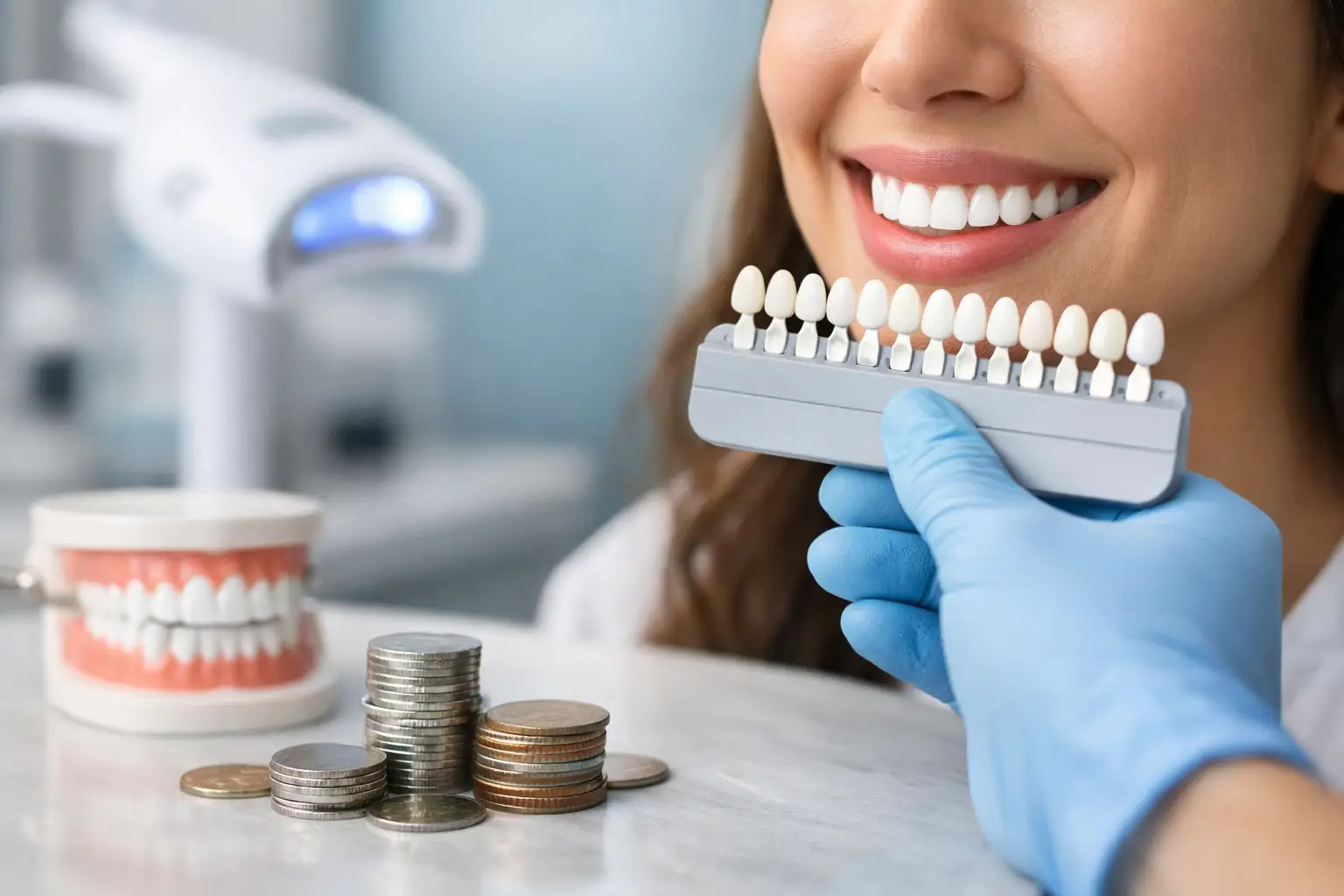
Professional Teeth Whitening Cost Explained
Sticker shock usually happens before the whitening even starts. A patient sees one price online, another at a dental office, and a much lower number on a store shelf – then wonders what professional teeth whitening cost actually includes and whether the higher fee is worth it.
The short answer is that professional whitening is priced higher because it is stronger, more controlled, and tailored to your teeth. But the real answer depends on the method, the condition of your enamel, the type of stains you have, and whether your dentist recommends in-office treatment, custom take-home trays, or a combination of both.
What is the average professional teeth whitening cost?
In most cases, professional teeth whitening cost falls somewhere between about $300 and $1,000. That is a wide range, but there is a reason for it. Not all whitening treatments are the same, and not every smile responds the same way.
An in-office whitening session usually sits on the higher end because it includes a stronger whitening gel, protective barriers for the gums, clinical supervision, and a treatment plan based on your current shade and goals. Custom take-home trays from a dental office are often more moderate in price because they still use professional-grade materials, but the whitening happens gradually at home. If a patient needs both in-office treatment for immediate brightness and trays for maintenance, the total can increase.
The cheapest number is not always the best value. If a lower-cost treatment leaves uneven color, increased sensitivity, or limited improvement, it may end up costing more when you try to correct it later.
What affects professional teeth whitening cost?
The biggest factor is the type of whitening system being used. In-office whitening tends to cost more because it is faster and more closely monitored. The appointment includes the dentist’s evaluation, preparation of the teeth and gums, and application of stronger materials than over-the-counter products can provide.
Another major factor is the level of discoloration. Yellowing from coffee, tea, red wine, or natural aging often responds better than gray or brown staining from medication, trauma, or internal tooth changes. If stains are deeper or more stubborn, more than one session may be needed.
Your oral health also matters. Whitening should not be placed over untreated cavities, gum inflammation, worn enamel, or leaking dental work. Sometimes a patient comes in asking for whiter teeth, but the first step is a cleaning or restorative care. That can change the overall investment, but it also protects your comfort and results.
Location and office standards can influence price as well. A dental practice that uses advanced technology, personalized shade planning, and comfort-focused care may charge more than a discount offer that applies the same treatment to everyone. For many patients, the extra attention is worth it.
In-office whitening vs. take-home trays
In-office whitening is designed for speed. If you have an event, photos, or simply want the fastest visible improvement, this option makes sense. The higher fee reflects convenience, stronger whitening agents, and professional monitoring throughout the visit.
Custom take-home trays are slower but often more flexible. Your trays are made to fit your teeth closely, which helps the gel stay where it should and reduces gum irritation. Many patients like this option because they can whiten on their own schedule and use the trays again later for touch-ups.
A combination approach can be the sweet spot. One in-office treatment can create a noticeable jump in brightness, and take-home trays can help maintain or fine-tune the result.
Why professional whitening costs more than store-bought kits
Over-the-counter strips and whitening pens can be helpful for mild staining, but they are designed for mass use. That means lower concentrations, one-size-fits-most application, and no dental exam before treatment. For some people, they work reasonably well. For others, they lead to patchy results or sensitivity with very little improvement.
Professional whitening costs more because it starts with diagnosis. Your dentist checks whether the stains are likely to respond, whether old fillings or crowns will match after whitening, and whether there are any oral health issues that should be addressed first. That screening matters. It can save you from paying for whitening that was never likely to give you the result you wanted.
There is also a comfort factor. Patients with sensitive teeth often do better when whitening is supervised and adjusted to their needs. A gentle, personalized plan can make the experience much easier than repeatedly experimenting with products at home.
Is professional teeth whitening worth the cost?
For many people, yes – especially if the goal is a cleaner, brighter smile with predictable results. Professional whitening can be worth the cost when you want a noticeable change, need guidance on the safest option, or want to avoid trial and error.
That said, it depends on your teeth and expectations. Whitening works best on natural teeth and certain types of external staining. It will not whiten crowns, veneers, bonding, or fillings. If those restorations are visible when you smile, your dentist should explain whether whitening will create a mismatch.
The value also depends on how long the results last. With good home care and occasional touch-ups, professional whitening can stay attractive for months or longer. If you regularly drink coffee, tea, or red wine, or if you smoke, fading may happen sooner. In that case, maintenance matters just as much as the initial treatment.
How to compare whitening prices without guessing
When comparing quotes, ask what is actually included. One office may advertise a base price that covers only the whitening gel, while another includes the exam, shade assessment, post-treatment instructions, and follow-up. Those details affect both value and results.
It also helps to ask whether the treatment is customized. A personalized plan should take into account tooth sensitivity, enamel condition, existing dental work, and your target shade. If the approach sounds rushed or generic, that lower price may come with trade-offs.
A reputable office should also be honest about limitations. If your stains are internal or your smile would benefit more from veneers, bonding, or a cleaning before whitening, you should hear that clearly. Good cosmetic care is not about selling the brightest treatment. It is about recommending what fits your smile safely.
When a lower whitening price may not be a bargain
A very low price can sometimes mean a stripped-down experience. You may not get a full exam, a realistic discussion of results, or much support if sensitivity develops. In some cases, the materials are weaker than expected or the treatment is delegated with minimal supervision.
That does not mean every affordable option is poor. It means whitening should be evaluated the same way you would evaluate any dental service – by the quality of care, the qualifications of the team, and how clearly the office explains what you are paying for.
For patients in West Hollywood and nearby Los Angeles communities, convenience matters too. Being able to have your exam, cleaning, whitening, and any follow-up care handled in one trusted office can make the process much easier, especially if your schedule is already full.
How to make professional teeth whitening cost more manageable
If whitening fits your goals but the price gives you pause, ask about payment options or phased treatment. Some patients start with custom trays, then add in-office whitening later. Others begin with a cleaning to remove surface buildup first, which can improve the final whitening result and help determine how much treatment is really needed.
It is also worth asking how to maintain your results. A well-made set of custom trays can extend the value of your treatment because touch-ups are usually simpler than starting over from scratch. Small maintenance steps can protect the investment you have already made.
At a patient-centered office like West Hollywood Smile Dental, this conversation should feel straightforward. You should know your options, understand the expected outcome, and feel comfortable asking questions about comfort, timing, and cost.
The right whitening plan is not always the most expensive one
Some smiles respond beautifully to a modest treatment plan. Others need a more detailed cosmetic approach. The best choice is the one that matches your teeth, your sensitivity level, your timeline, and your expectations.
If you are thinking about whitening, focus less on finding the lowest number and more on finding the right care. A brighter smile feels better when the process is safe, the results look natural, and you leave knowing exactly what you paid for and why.

How Long Do Dental Veneers Last?